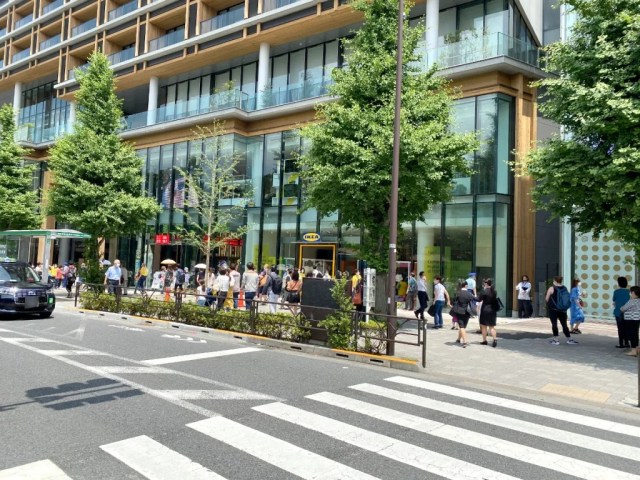

It’s not a total withdraw, but the chain’s downtown Tokyo footprint is going to get a lot smaller.
In June of 2020, Ikea opened a new branch in the fashion-focused Harajuku neighborhood of downtown Tokyo. Launching a new venture at this time was a gamble, since the COVID pandemic was in full force and the economy’s status was murky, but on the other hand, the pivot to remote work and stay-at-home leisure activities also had a lot of people looking to make their living spaces more comfortable and convenient.
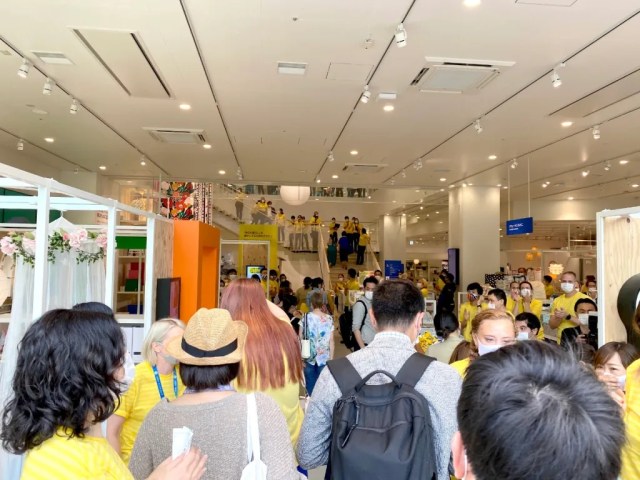
And as you can see in the above photos from opening day, things got off to a great start at Ikea Harajuku, and the shop has so much early success that less than a year later, in May of 2021, Ikea opened another branch in downtown Tokyo, this one in the Shinjuku neighborhood.
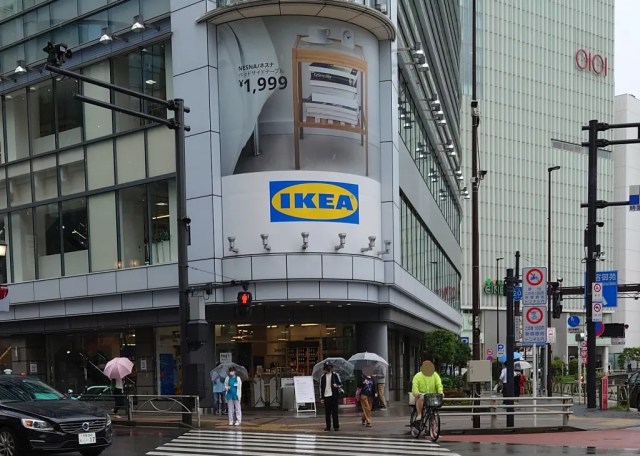

Unfortunately, while both branches made it through the pandemic, they’re not going to be around much longer, as Ikea Japan has announced that both the Harajuku and Shinjuku branches will be closing next month.
The company hasn’t publicly commented on why the two high-profile branches are shutting down. This being business, insufficient earnings are no doubt at least a major part of the reason, and a plausible cause for that would be a mismatch between the perceived appeal of Ikea among Japanese shoppers and the closing stores’ locations.
When the Ikea chain arrived in Japan, it attracted attention not just for the quality and reasonable prices of its products, but also for the sheer size of its stores. Features like numerous large model rooms and huge cafeterias helped the chain stand out from its domestic Japanese competitors, and couples and families often made a whole day out of a trip to Ikea. Ikea’s early stores were generally located in the suburbs of major cities, outside their urban core where land is more plentiful and it’s easier to offer parking so that customers with their own cars can take advantage of Ikea’s easy-to-transport flat-packed furniture.


The Harajuku and Shinjuku stores, though, have a slightly different concept. Being in two of the most densely developed urban areas of Japan, they’re smaller in scale, with more of a focus on compact items for people living in the cozy dimensions of downtown apartments rather than spacious suburban homes. The Harajuku Ikea even has a convenience store instead of a cafeteria. With Ikea having risen to fame in Japan because its stores are so huge that they feel like a sightseeing destination, smaller Ikea branches lose a lot of what makes the chain feel special to Japanese shoppers. Rent in the close-to-the-station parts of Harajuku and Shinjuku where the Ikea branches are located isn’t cheap, either, and with Ikea’s comparatively low prices they need to making a lot of sales to turn an acceptable profit, something that’s tough to do when the branch is missing much of Ikea’s core appeal.
The closing of the Harajuku and Shinjuku branches doesn’t mean that Ikea’s experiment with smaller stores in the Tokyo city center has been deemed a complete failure, as the company has said that it will be keeping the Shibuya Ikea branch open. Actually, it’s possible that the existence of the Shibuya Ikea also played a role in the troubles of the Harajuku and Shinjuku branches. It’s only a two-minute train ride from Shibuya Station to Harajuku Station, and only another five minutes from there to Shinjuku Station. That’s three different Ikea branches within seven train-riding minutes of each other, which may have also eroded their feeling of destination-specialness even more than their smaller sizes alone would have,
The Harajuku and Shinjuku Ikea branches will both be closing on February 8, with February 1 the last day for in-store pickup for preordered items.
Source: Tokyo Bargain Mania via Livedoor News via Hachima Kiko, Travel Watch via Yahoo! Japan News, Ikea Japan
Photos ©SoraNews24
● Want to hear about SoraNews24’s latest articles as soon as they’re published? Follow us on Facebook and Twitter!