

China’s Ministry of Foreign Affairs says Japan has too many criminals and earthquakes to be safe for Chinese people.
In Japan, the Year of the Horse has been underway since January 1, since the country doesn’t observe the lunar calendar. Even still, many people in Japan are aware that on this year Chinese New Year falls on February 17, because as one of China’s longest vacation periods, it brings with it some of the largest crowds of Chinese tourists to Japan.
At least, that’s what usually happens. This year, though, things might be very different, as the Chinese government has called on Chinese citizens to refrain from traveling to Japan, saying that the country has too much crime and too many earthquakes.
“With the Lunar New Year approaching, we call on the citizens of China to refrain from traveling to Japan for the time being” said China’s Ministry of Foreign Affairs in a statement issued on Monday. Why? Because, according to the ministry, “Recently, public safety in Japanese society is unstable, and many incidents of crime targeting Chinese citizens are occurring. Earthquakes have also been occurring in succession, and Chinese citizens are facing serious threats to their safety in Japan.”
▼ It is unclear how/why Japanese earthquakes would pose a greater threat to Chinese citizens than to people of other nations.


If this is sounding vaguely familiar, back in the fall, the Chinese government became upset over then-new Japanese prime minister Sanae Takaichi’s remarks that Japan would not look kindly upon an attempted Chinese invasion of Taiwan. In thinly-veiled retaliation, in November, the Chinese government, and later the Chinese embassy in Tokyo, issued statements telling Chinese citizens to refrain from traveling to Japan on the grounds of nebulous undefined personal safety reasons. Since then, the Chinese government has done nothing to walk back its contention that Japan, well-documented as one of the safest countries in the world for travelers, is too dangerous for Chinese citizens to risk going to.
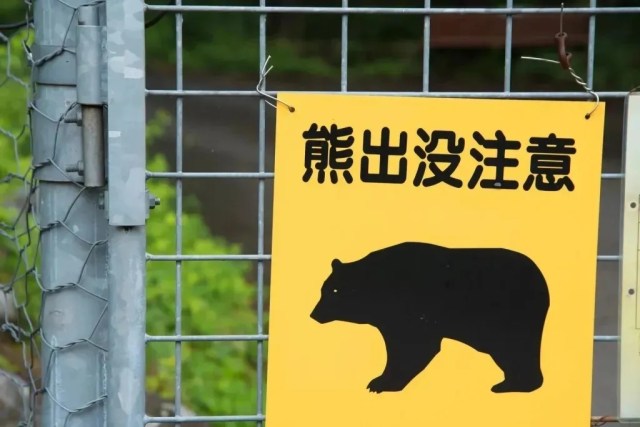
For the record, Japan hasn’t had an abnormal amount of destructive seismic activity in recent months (no lives were lost in the December 8 earthquake in Aomori Prefecture), nor has there been any reported uptick in crimes against Chinese nationals. Really, the biggest safety concern in Japan over the past year has been bears, but with winter here they’ve been hibernating and taking a break from attacking us humans.
▼ Plus, by the time the animals do wake up in the spring, Japan’s new bear-control drones should be ready to start flying sorties.

Taking all of that into account, the warning against traveling to Japan during the nine-day Chinese New Year vacation period is another clear attempt at intimidating Japan into softening its stance on supporting Taiwan, lest it lose out on all the money that Chinese travel agencies (who are more susceptible to domestic political pressure than independent Chinese travelers) would be bringing into the Japanese hospitality sector with their large group tours.
However, even with Chinese New Year coming up soon, the Chinese government’s intimidation ploy doesn’t have the best timing. Since the initial travel warning in November, we’ve been making the rounds of some of Japan’s most popular tourism destinations with international visitors, and they haven’t turned into ghost towns at all. While we have noticed a dip in customers at certain shops that have large Chinese tourist clienteles, for the most part the places that had lots of foreign tourists before the Chinese government’s travel warnings still have lots of international tourists now.
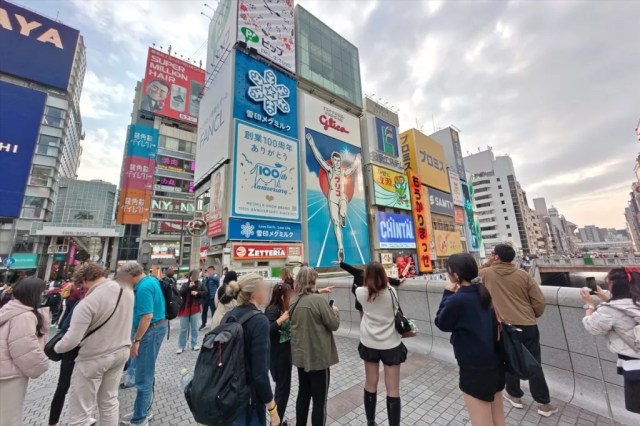

That’s because the warnings are coinciding with a historic high in international interest in Japanese culture, both modern and traditional, and also a generational low in the price of the yen versus foreign currencies. With overtourism having become a major topic of conversation in Japan over the past year, there’s already a growing feeling that the country’s most popular tourism sites, as well as the nearby hotels, restaurants, transportation networks, and other travel-related infrastructure, is getting close to capacity. China was one of the first countries from which Japan started receiving leisure travelers en masse, and there was a time, not all that long ago, when the threat of a dip in Chinese tourist numbers would have sent shockwaves throughout the hospitality industry in Tokyo, Kyoto, and other high-profile destinations. With Japan’s inbound foreign tourist demographic having become much more internationalized, however, it’s more likely than ever that the extra capacity created by an absence of visitors from Chinese tourists will simply be filled by people hailing from other nations, limiting its effectiveness in persuading the Japanese government to forsake Taiwan.
Source: Nitele News via Hachima Kiko
Top image: Pakutaso
Insert images: Pakutaso (1, 2), SoraNews24
● Want to hear about SoraNews24’s latest articles as soon as they’re published? Follow us on Facebook and Twitter!