
In the land of vending machines, what’s behind the biggest single-year decrease ever for soft drinks?
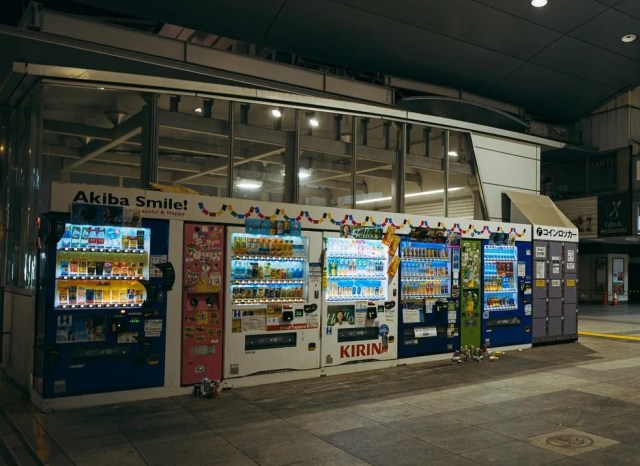
Visitors to Japan are often amazed at just how many vending machines the country has. Residents, though, are noticing fewer and fewer of them, as the number of soft drink vending machines in Japan has dropped to its lowest number in 30 years.
According to the latest statistics from Tokyo-based Inryo Soken (“Beverage Research Institute”), in 2025 there were 1.95 million soft drink vending machines operating in Japan. While that still sounds like a whole lot, it’s a decrease of 90,000 machines since 2024, the largest single-year drop ever. It’s also the first time since 1994 for Japan to have fewer than 2 million soft drink machines, as it initially crossed that threshold in 1995 with 2.17 million, and from 1999 to 2016 the number was approximately at or even more than 2.4 million.
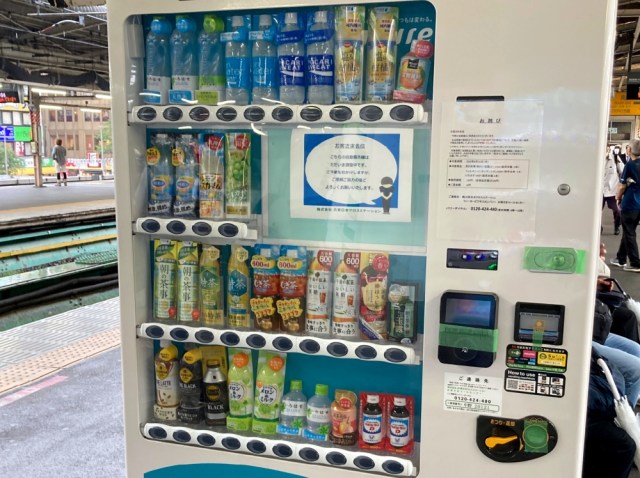
The number of soft drink vending machines has been in continual decline since hitting its all-time high in 2014, with analysts pointing to rising prices and falling demand as the primary reasons. There’s a growing sense of consumer exhaustion at the repeated price hikes for just about everything in Japan, and many are now choosing to buy their drinks elsewhere. It’s become common to see vending machines charging prices 20 or more percent higher than just a few years ago for staples such as bottled water, green tea, and coffee.
That hasn’t made vending machine drinks an unpurchasable luxury, but it has made them expensive enough to erode the breezy, guilt-free impulse-buy image they used to have. That’s an especially big problem for vending machines, since they’re often located in places where potential customers aren’t going to be hanging around very long, such as a commuter train station platform or a street corner, and so extra time potential customers spend asking “Is it really worth it for this price?” makes it that much more likely that they’ll continue on to wherever they’re headed without stopping to buy something.
▼ Japan’s famously punctual public transportation system means that many people have their commutes timed down to the minute, so any time at all spent having to weigh a drink decision is probably going to be too much.

So if Japanese people are buying fewer drinks from vending machines, where are they getting them at? Convenience stores are one alternative. While they’ve also raised prices and aren’t significantly cheaper than vending machines as far as regular drink prices go, convenience stores often have discount coupons and promotions, such as giving customers a free drink with the purchase of an onigiri (rice ball) or bento (boxed lunch) that make them more enticing to budget-conscious consumers. Supermarkets and drugstores also have good soft drink lineups and prices that are significantly lower than vending machines, even if buying a single drink. Supermarkets/drugstores may not be quite as conveniently located as vending machines or convenience stores, but to a lot of people they’re worth making a quick little detour for, especially if they’re buying a drink every day as part of their commuting routine.
While not specified in Inryo Soken’s research, it’s also likely that the increased normalization of online shopping is making increasingly expensive vending machine soft drinks less attractive. Again thinking of a scenario where someone buys a can of coffee every day as part of their morning commute, it’s much more cost effective to simply buy a whole case at a discounted price online, have it delivered to your home, toss the cans in the fridge, and just grab one as you go out the door every day.
All that said, with 1.95 million soft drink machines still out there, they’re not going to completely disappear from Japan’s cityscapes anytime soon. Unless someone figures out a way to once again make them appealing to disenchanted consumers, and profitable to operators, odds are that number is going to continue to go down.
Source: Nitele News via Hachima Kiko, Tokyo Shimbun
Top image: Pakutaso
Insert image ©SoraNews24
● Want to hear about SoraNews24’s latest articles as soon as they’re published? Follow us on Facebook and Twitter!