
Consumers showing little sympathy for rice sellers as eating habits and supply chains change.
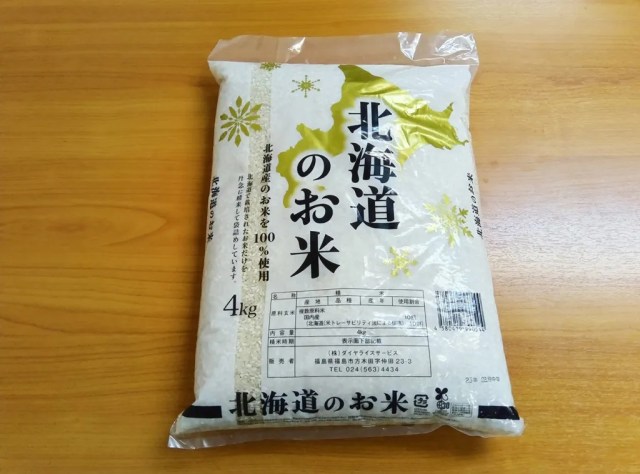
Rice is supposed to be the foundation of the Japanese diet, but these days there’s a whole lot of it that’s just sitting in warehouses. According to newly released data from Japan’s Ministry of Agriculture, Forestry and Fisheries, at the end of March there were approximately 2.7 million metric tons of rice being held by wholesalers, nearly a 54-percent increase compared to the same time last year.
That’s the largest amount since 2015, and the third-highest since 2009. The even more startling statistic, though, is that the 2.7 million metric tons of harvested rice that’s just sitting around represents 39 to 40 percent of the expected domestic demand for rice for the year, the highest percentage ever since the ministry began tracking such statistics.
There are three reasons for this, the first of which is a larger rice harvest in the fall of 2025 than in the preceding year. The more significant factors, though, are on the demand side of the equation.
Over the last few years, the price of rice has skyrocketed in Japan. Even in the later years of the coronavirus pandemic, it wasn’t hard to find five-kilogram (11-pound) bags of domestically grown rice at supermarkets in Japan for around 2,000 yen (US$13). Since then, though, retail prices have steadily risen, going well past 4,000 yen, especially for the most popular types of Japanese rice. Traditional staple or not, rice doubling in price has forced many people to rethink their spending and eating habits, and the ministry says that household rice consumption has gone down.
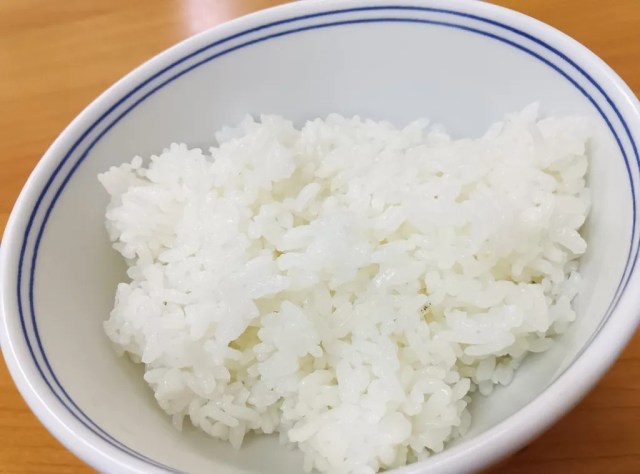
But what about restaurants? They buy rice too, as do take-out joints, convenience stores, and other businesses that offer pre-made food in the forms of rice bowls, bento boxed lunches, onigiri (rice balls), and so on, right? Sure, but businesses are also balking at the price of rice, and while households are adapting by eating less of it, many shops and restaurants, with their access to worldwide business-to-business distribution networks, have switched over to using less expensive imported rice. In 2025, Japan businesses imported 96,834 metric tons of rice from the U.S., 95 times more than in 2024, and its total rice imports, from all nations combined, was 104 times higher than in 2024.
So with individual consumers unable to afford eating as much rice as they used to and businesses having access to cheaper alternatives, it’s no surprise that so much Japan-grown rice is going unsold. While rice prices have come down slightly in the past few months, they’re still much higher than they were before the spike started, and so news of the excess rice stocks that wholesalers are sitting on isn’t eliciting much sympathy among online commenters.
“Too little too late. There are already a lot of people who’ve switched their eating habits and moved away from eating a lot of rice.”
“They’re still charging too much for rice, so I’m not buying it.”
“I can get five kilograms of dry spaghetti noodles for 995 yen.”
“Still waiting for you to at least bring prices for a five-kilo bag back down to 2,800 yen.”
“It’s still easy to remember when you could get a 10-kilo bag of rice for 5,000 yen.”
“They raised prices while people’s earnings are stagnant. What did they think was gonna happen?”
“If they’re not going to lower prices, they can go ahead and stick as much rice as they like in their warehouses.”
“Oh, you poor things. It must be so hard for you, not being able to sell your leftover stock for stupidly high prices.”
▼ A report showing rice still priced at over 3,000 yen for five-kilo bags

Basic economic theory would say that if supply of a product is far above demand, it’s a sign that sellers are trying to sell it for more than its equilibrium price, and that in order to increase sales they need to cut their prices until they’re more in line with what customers are willing to pay. That’s probably not a move that rice sellers want to make, especially after having been able to charge inflated prices for the past few years, but it’ll still bring in more revenue than they’ll get from sacks of rice going unsold because they’re overpriced.
Source: Nitele News via Hachima Kiko, USDA, Nikkei Asia, YouTube/ANNnewsCH
Photos ©SoraNews24
● Want to hear about SoraNews24’s latest articles as soon as they’re published? Follow us on Facebook and Twitter!