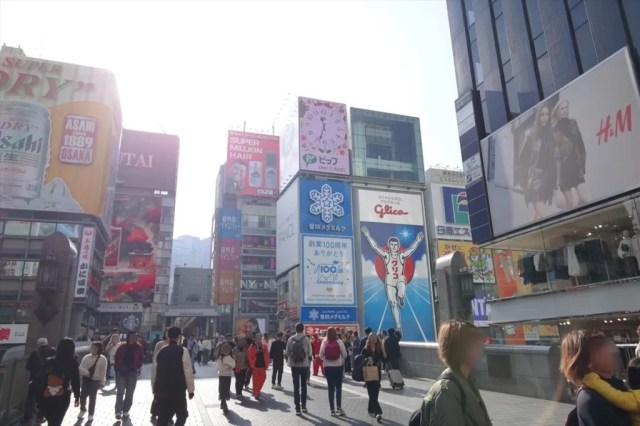

Almost every country is sending more travelers to Osaka these days, with one very big exception.
With the international travel community still showing an intense interest in visiting Japan, you’d think Osaka’s inbound tourism numbers would be booming. It’s Japan’s third largest city, is situated close enough to Kyoto to be used as a livelier place to spend the night after a day of visiting shrines and temples, and it’s also a stop on the popular Sanyo Shinkansen line, making it easy to work Osaka into itineraries along Japan’s “golden route” of top travel destinations for foreign visitors.
And yet, Osaka actually saw fewer foreign visitors this past August than the city did in August of 2025, according to statistics compiled by the Osaka Convention and Tourism Bureau.
At first, the data might not sound like it’s going to lead to that result. In August of 2026, Osaka had more visitors than it ever has in any previous August from the U.S., South Korea, Taiwan, France, Hong Kong, Indonesia, and Russia. In addition, more tourists from Italy and Spain came to Osaka in August of 2026 than in any other month before.
But even with all those individual-demographic records being set, Osaka still had a 9.6 percent drop in foreign visitors during August 2026 compared to August 2025. So what country has been shunning the city?
China. August tourist numbers from mainland China plummeted 59 percent compared to last year. 254,000 Chinese travelers still showed up, but the drop was so severe that it more than cancelled out the total 26.7-percent August increase in travelers from all foreign countries other than China.
The cooling off in demand from Chinese travelers stems from a warning issued late last year by the Chinese government cautioning its citizens that Japan is an unsafe country to travel to. It should be noted that this warning wasn’t prompted by any actual incident of Chinese travelers being injured or robbed in Japan, but it did come right on the heels of Japan’s prime minister Sanae Takaichi saying in an interview that Japan would provide aid to Taiwan if it were to be invaded by the Chinese military.
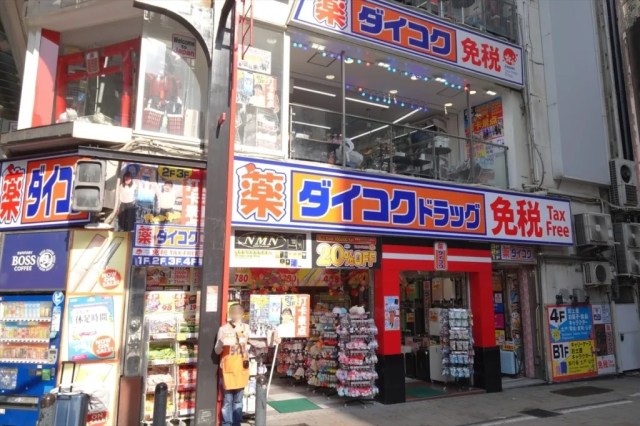
With international travel generally requiring advance reservations, there wasn’t an immediate drop-off in travelers from China, but new reservations started coming in with less frequency, and when we ourselves went to check in on how things were in Osaka last December (when we took the photos seen in this article), we definitely noticed much smaller crowds in parts of the city that had, up until then, been routinely packed with Chinese tourists.
“It is a very dire situation,” said Osaka Convention and Tourism Bureau chairman Hitoshi Mizohata at his regularly scheduled press conference on September 30.
▼ And yes, he delivered that somber proclamation while wearing a plushie of Osaka Expo mascot Myaku-Myaku.

Without access to Osaka travel and tourism providers’ books, it’s hard to say exactly how truly dire the situation is. Obviously, a roughly 10-percent drop in customers isn’t something that any industry is going to be happy about. At the same time, that’s not a catastrophic dip, especially considering that tourist numbers have grown far more than 10 percent compared to where they were before the international Japan travel craze. So unless the travel industry went all-in on building excessive capacity because they thought the boom times were never going to so much as slow down, they should still be doing much better financially than they used to, even if their profits aren’t quite as high as they were last August.
That said, Mizohata voiced his concern that the Chinese government hasn’t made any statement reversing its “safety” warning about traveling in Japan, and so the board has no estimation of when, or if, Chinese tourist numbers will rebound. Mizohata lamented that political disagreements aren’t being kept separate from economics, though this is hardly the first time in history for those two social sciences to affect each other.
Overall, it’s probably still too early to shed all that many tears for the travel industry in Osaka. Mizohata says that local hotels have told the bureau that they have more reservations for October and November in 2026 than for the same period last year, and premium-priced hotels reportedly are especially receiving lots of bookings. The bureau also says that, based on surveys with foreign tourists in Osaka, there’s still room to better promote awareness of Osaka’s nightlife, traditional culture, sports, and luxury leisure offerings, and it plans to increase its focus on those areas
Source: MBS via Itai News, Osaka Nichinichi Shimbun
Photos ©SoraNews24
● Want to hear about SoraNews24’s latest articles as soon as they’re published? Follow us on Facebook and Twitter!