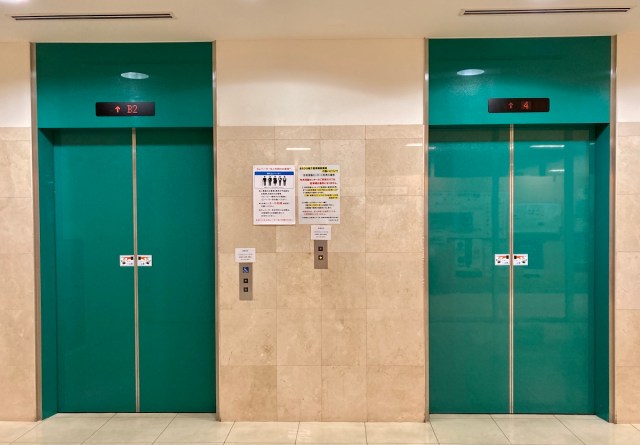

The fate of the first to board has long been a problem in Japan, but this could be the solution.
A curious thing happens in elevators – once you’re in there, and someone who wants to board is about to miss the closing doors, you’re able to extend a gesture of kindness by pressing the “open” button so they’re able to catch the lift they otherwise would’ve missed.
In Japan, though, this act of kindness can work against you, because an unspoken rule of etiquette dicates that the person closest to the buttons is in charge of operating them for everyone, like some sort of unpaid staff attendant. That means when you let someone in after you, you’ll also be in charge of letting them out before you, as you hold the “open” button for others before stepping out of the elevator yourself.
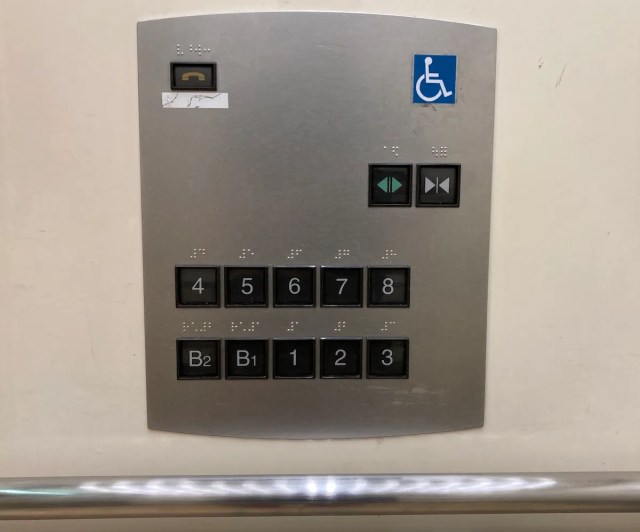
▼ If you’re standing in front of this panel in Japan, you’re expected to press the open and close buttons as an act of courtesy towards others.

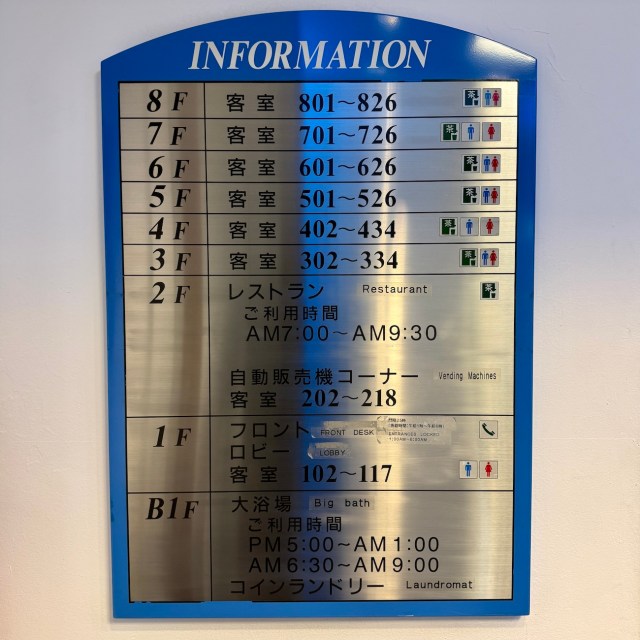
Generally, the lift operator is only mildly inconvenienced by this role, but there are times when it can be irritating. When you need to check out after staying on a high floor in a hotel, for example, you’re likely to find yourself holding the doors open for people who get on at lower floors, so by the time you reach the lobby the lift is so crowded you’ll be holding the doors open for everyone who gets out. That means you’ll be the last to line up and check out behind your fellow lift companions, despite being first in the elevator.
▼ What might be called the “fate of the first to board” is particularly painful in a hotel situation.

As a frequent hotel user, our reporter Masanuki Sunakoma has long pondered the inherent problems with lift etiquette, but has never been able to come up with any good solutions. The other day, though, something happened to him that that made him see the light…and it touched his heart as well.
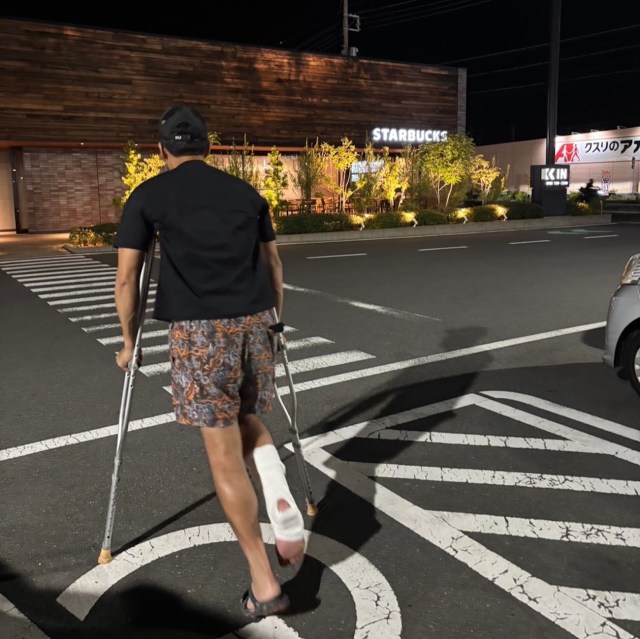
The event occurred when Masanuki was using crutches due to a foot injury, and a friend of his drove him to Starbucks. After getting out at the parking lot, a car pulled in right behind them, and when a couple got out of the car and headed towards the coffeehouse, they naturally passed by Masanuki, who was moving slowly due to his impairment.

Masanuki didn’t mind – in fact, he was pleased that they’d passed him as he didn’t want to hold them up along the way. However, when he entered the store, he saw that the couple hadn’t gone straight to the register as expected. Instead, they were looking at tumblers and coffee beans in the general goods section near the entrance. As he glanced at them, they turned, bowed slightly, and said to him: “Please go ahead and order“.
The kindness of this couple took Masanuki by surprise, as he’d initially thought they were browsing the shelves for coffee beans. However, after they gestured for him to go ahead of them, they lined up behind him empty-handed, proving they were just lingering at the coffee beans, waiting for him to step through the doors so they could take their place behind him in line.
When Masanuki finished ordering, he turned and thanked the couple and when they went up to the register, the barista, who’d seen what had happened, smiled warmly at the couple as if to thank them for being so considerate to a fellow customer. It was as if this one small kind gesture rippled through the entire cafe, spreading warmth and kindness to everyone in the vicinity.
▼ Masanuki was so touched even his drink tasted more delicious.
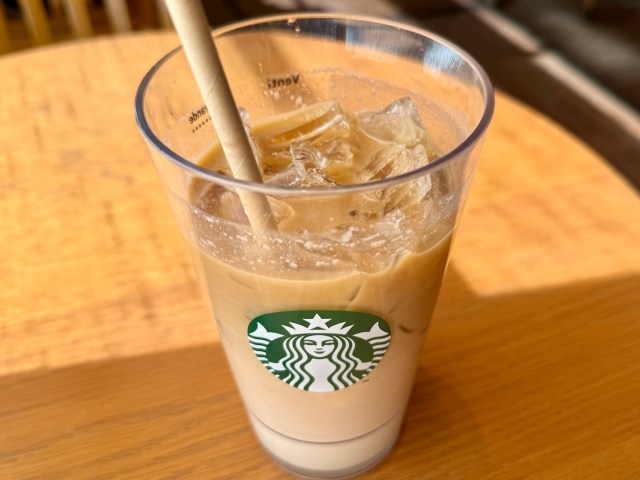

This pleasant feeling was the complete opposite of Masanuki’s experiences in a hotel elevator, where he can’t help but feel slightly disgruntled whenever his lift companions queue ahead of him at reception. While he can’t hold it against them, it’s the way things happen, after all, here at Starbucks, this couple had not only seen him but made him feel seen – instead of taking advantage of his situation, or simply turning a blind eye to it, they acknowledged his place ahead of them in the queue and stepped aside to let him through.
Furthermore, the couple hadn’t made a big deal of things – instead of stopping in the parking lot or at the cash register, they held back and browsed in front of the merchandise, creating a cushion between them so he wouldn’t feel guilty or pressured by their actions. They made it seem natural and unfettered, in a way that acknowledged his situation without any sense of shame or pity.
▼ If only he could meet couples like this at the elevator.
While he’s conscious of the fact that this couple’s generosity was in large part due to his foot injury, Masanuki felt that this system of acknowledging the person ahead of you when the end goal is to queue, would work wonders for lifting everyone’s spirits in an elevator scenario. Though he admits it would be hard to put into practice, especially with a full elevator, if just one or two people considered the plight of a lift operator, especially in a hotel when everyone is taking the lift to queue, it could have a ripple effect that leads to more awareness of the “fate of the first to board” an elevator.
Starting with awareness is the first step on the path to change, so Masanuki plans to lead by example, vowing to step aside for the lift operator next time there’s a lineup at the end of the journey. And it’s all thanks to the kindness of the couple he met at Starbucks, whose simple actions have left an indelible glow in his heart. Even in a country where consideration for the group is everything, this couple showed there are new levels to how you can express kindness, and he will forever pass it on in their memory.
Photos ©SoraNews24
● Want to hear about SoraNews24’s latest articles as soon as they’re published? Follow us on Facebook and Twitter!
[ Read in Japanese ]