

Ibaraki Prefecture now offers rewards to whistleblowers who lead them to companies illegally employing foreign workers.
Ibaraki Prefecture doesn’t get a ton of international attention. Sure, it has cool places to visit, like some of Japan’s best spots to see plum blossoms and Nemophila flowers, and it also boasts outstanding natto, according to fermented soybean fans. But in general, Ibaraki isn’t such a huge draw for international tourists, and it’s also usually on the short list of places where people imagine themselves living when they’re daydreaming about moving to Japan either.
However, Ibaraki is on the top of the list of something related to foreigners in Japan, as last year it had more confirmed cases of foreigners found working without proper work or residency permits than any other prefecture, accounting for 3,518 of the 13,435 people caught doing so in Japan in 2025. What’s more. Ibaraki has now held the title of most confirmed illegally working foreigners for four years in a row.
That’s a distinction the Ibaraki government would like to shake off, so as of this past Monday, a new policy has been introduced, offering a reward, or perhaps you could call it a bounty, of 10,000 yen (US$65) to individuals who report the illegal employment of foreigners within the prefecture.
Ibaraki is the first prefecture to offer such payments. The new policy comes at a time when the overall mood towards foreigners in Japan is becoming somewhat less warm. Though it’d be an exaggeration to call the atmosphere hostile, there has been an uptick in the sense of suspicion, with an increase in high-profile thefts and other crimes committed by foreign nationals as well as frustration at tourists and newly arrived foreign residents who don’t follow local etiquette norms.


Thankfully, the system is not set up to reward people for calling the cops to come and question individual foreigners they see living or working in their neighborhoods. Instead, the subject of submitted reports must be the company the reporter believes is illegally employing foreign workers. In addition, anonymous reports are not allowed, as reporters must provide their name, address, and phone number for their report to be accepted. There’s no emergency phone hotline or rapid dispatch team for on-site investigations, either. Reports must be submitted through an online form, and only if the report has been reviewed and judged as credible will the Ibaraki prefectural government coordinate with the police about conducting an investigation, and only if wrongdoing is confirmed will the reporter receive the 10,000-yen reward.
Together, these aspects of the system are meant to discourage false or frivolous accusations. Of particular importance is the stipulation that it’s the employer who must be reported for wrongdoing, not the employee, and thus the employer who would need to provide any required proof that all of its operations are in compliance with the law. Since lawful foreign residents of Japan are issued residency ID cards that also indicate the bearer’s work eligibility status, any employer who’s done their due diligence in hiring by asking for such identification should be able to easily provide proof to investigators that their foreign staff is being employed legally. The Ibaraki government has also stated that reporting companies based on the appearance of nationality of their employees, or things such as not following rules about sorting trash properly for garbage pickup days (a stereotypical complaint about foreign residents in Japan) will not be seen as warranting further investigation for suspicion of illegal employment.
At the same time, there are those with misgivings about, in effect, deputizing Ibaraki’s entire population regardless of whether or not they have any training or aptitude for diagnosing illegal employment. Since the formal announcement of the reward program in February, the Ibaraki government has received 456 phone calls or emails protesting its adoption, with the prefectural bar association and various citizens’ groups voicing their concerns that it could contribute to racial discrimination and harassment. Again, reports must be submitted indicating a company, not an individual worker, of wrongdoing, but it still puts an unwanted target on the backs of employers by incentivizing their communities to be suspicious of them, and the associated stress and potential hassle of an investigation prompted by someone eager to make some cash for themselves could make companies less enthusiastic about hiring foreigners who actually are legally allowed to work.
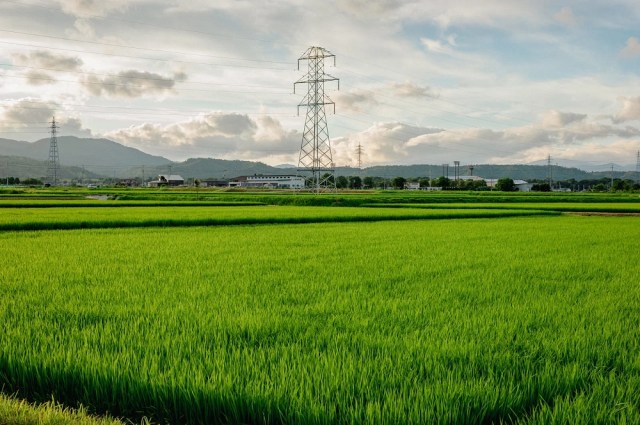
As for why Ibaraki has had so many cases of illegal foreign workers, out of the confirmed cases in 2025, 70 percent involved foreigners working in the agricultural sector, as Ibaraki is mainly rural and has a lot of farmland. However, with Japan’s population, and especially its population of young people, shrinking most quickly in the countryside, prefectures like Ibaraki are the ones most in need of an influx of foreign workers in local communities. Speaking at a press conference last month, Ibaraki governor Kazuhiko Oikawa stressed that the goal of the reward system is not to keep foreigners from working in the prefecture, but to ensure that those who are working in Ibaraki are doing so legally, saying:
“In a society with a declining population, the utilization of foreign workers will have a tremendous influence on the local community, It is precisely because of the shortage of workers that employment must properly abide with laws and regulations.”
It should also be noted that while Ibaraki’s is the first prefectural government to offer rewards to whistleblowers about illegal employment of foreigners, Japan’s national government, through the Immigration Services Agency, itself part of the ministry of justice, has been offering such payouts for at least the last five years. In fact, the Immigration Services Agency offers even larger rewards than Ibaraki’s, giving out up to 50,000 yen for information leading to the confirmation of illegal employment. However, between 2021 and 2025, no rewards at all were paid through this framework, which, in turn, means no one got paid for false or irresponsibly unsubstantiated accusations either, so hopefully Ibaraki’s system will go similarly unabused.
Source: Mainichi Shimbun via Jin, Teleasa News
Top image: Pakutaso
Insert images: Pakutaso (1, 2)
● Want to hear about SoraNews24’s latest articles as soon as they’re published? Follow us on Facebook and Twitter!