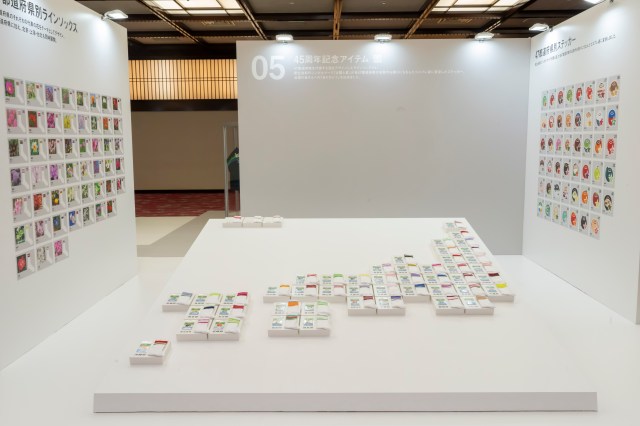

New designs give us an insight into Japan’s prefectural flowers and regional gems.
Travel in Japan is always an exciting journey of discovery, especially when there are 47 prefectures, each with their own regional specialties to explore.
Now there’s even more to discover, as Japanese convenience store chain Family Mart has just revealed a massive new range of 47 socks and stickers, with designs that capture the charms of each prefecture. Each design can only be found at Family Mart stores within the prefecture it represents, making the products very sought after, and worth travelling for.
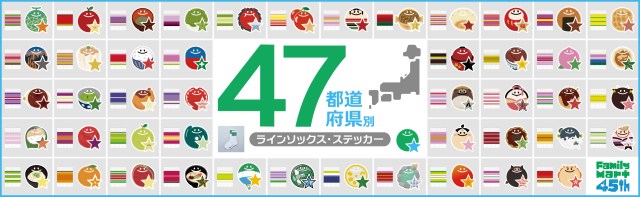

▼ The 47 socks, arranged according to the prefecture in which they can be found, creating the shape of Japan.
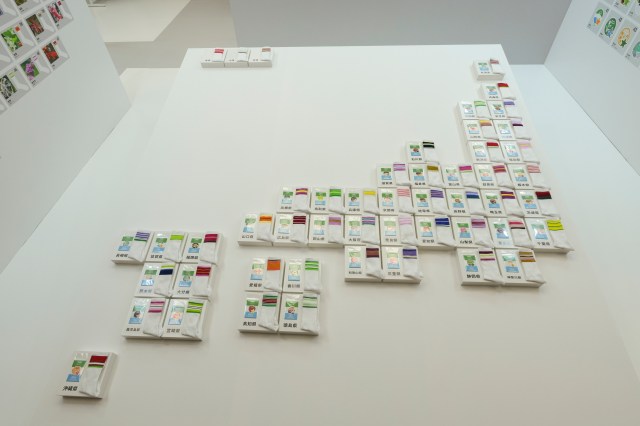
There’s a lot to get through here, so let’s start by taking a look at the socks, which are based on Family Mart’s iconic Line Socks, known for their stripe designs. In the new collection, the colour of the stripes varies by prefecture, as a nod to its prefectural flower.
The first 14 prefectures, and their flowers, are: Hokkaido (Japanese Rose), Aomori (Apple Blossom), Iwate (Paulownia), Miyagi (Thunberg’s Bush Clover), Akita (Butterbur Sprout), Yamagata (Safflower), Fukushima (Nemoto Rhododendron), Ibaraki (Rose), Tochigi (Yashio Azalea), Gunma (Japanese Azalea), Saitama (Japanese Primrose), Chiba (Rapeseed Flower), Tokyo (Yoshino Cherry), Kanagawa (Goldband Lily).
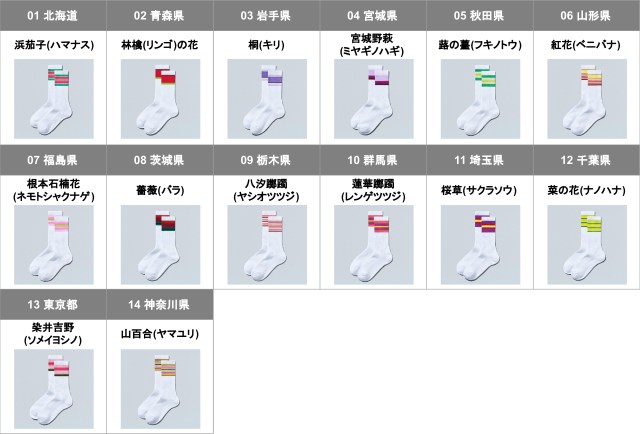

One of the highlights in this lot of socks has to be the Tokyo version, which uses brown, green, and various shades of pink to capture the look of Somei Yoshino, Japan’s most widespread variety of cherry blossom.
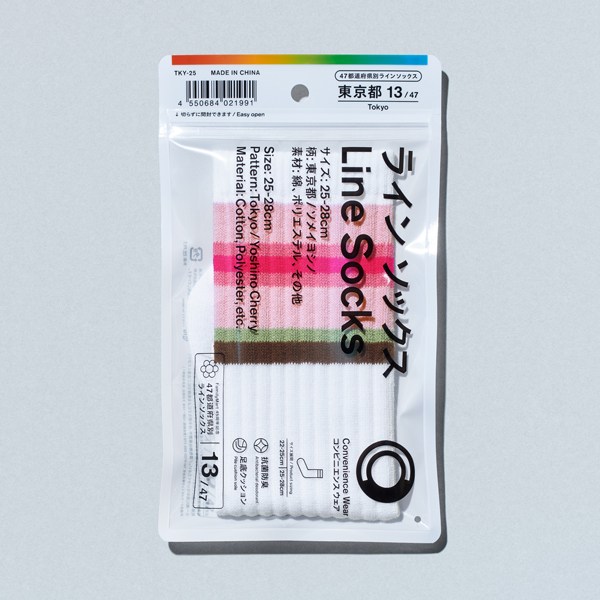

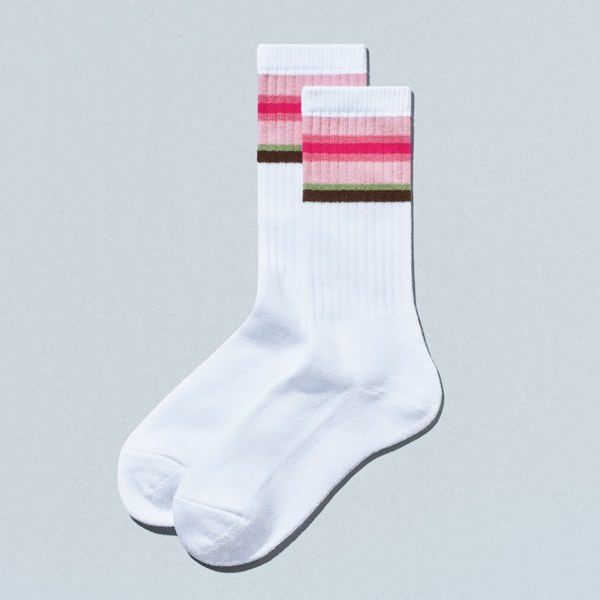
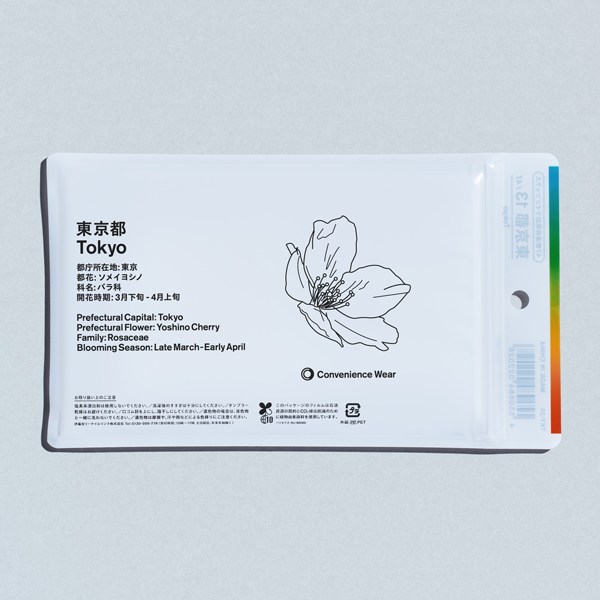
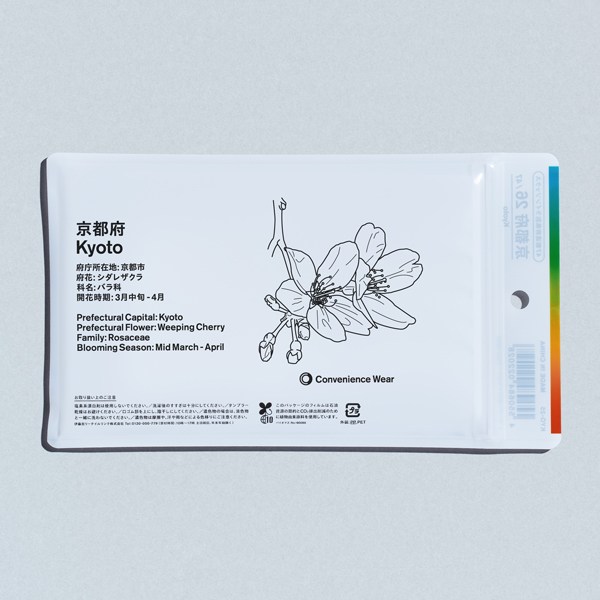
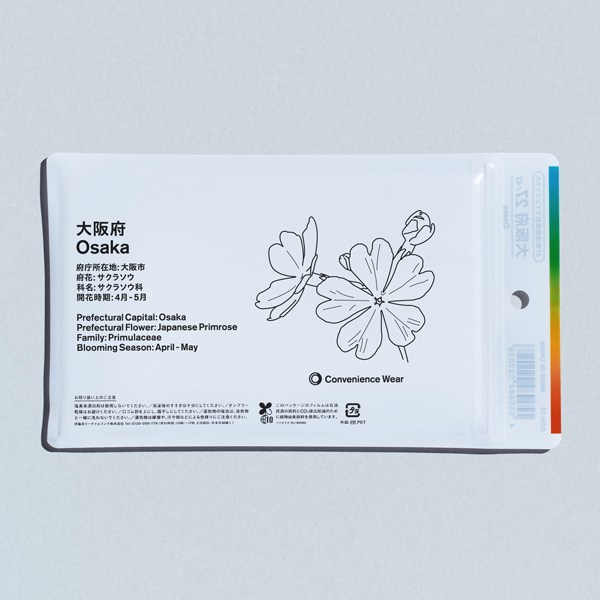
▼ The back of each pack comes with a sweet illustration and some details about what the design represents.
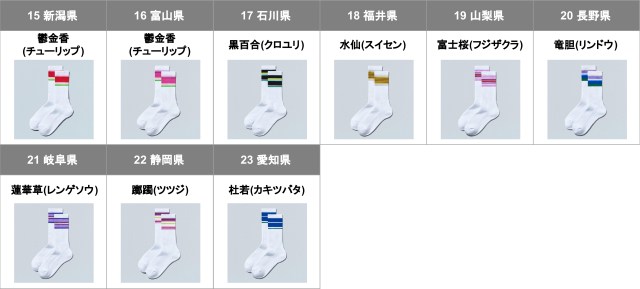
The next nine in the series are: Niigata (Tulip), Toyama (Tulip), Ishikawa (Fritillaria), Fukui (Narcissus), Yamanashi (Pigmy Cherry), Nagano (Japanese Gentian), Gifu (Chinese Milk Vetch), Shizuoka (Azalea), Aichi (Rabbit-ear Iris).

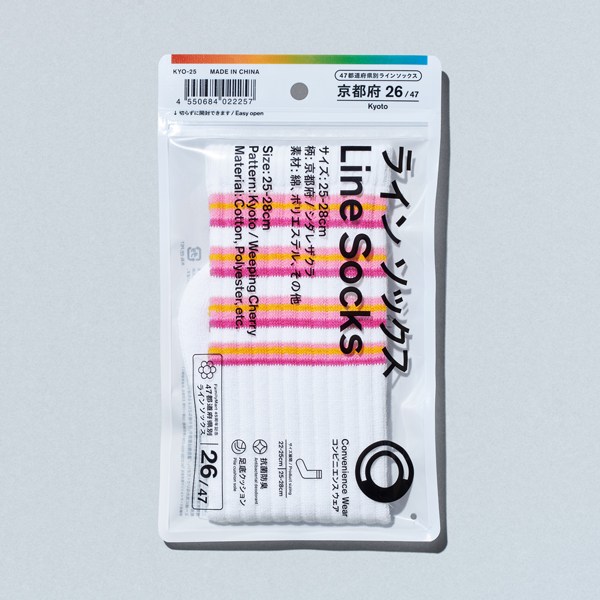
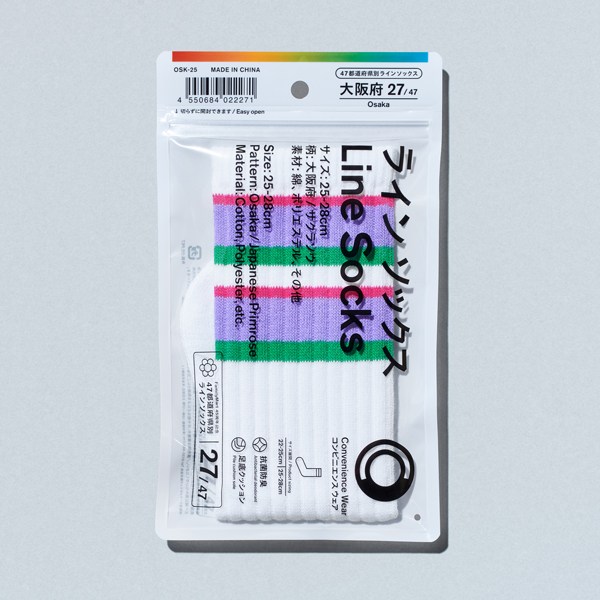
Next up, we have 12 that include big cities like Osaka and Kyoto: Mie (Japanese Iris), Shiga (Rhododendron), Kyoto (Weeping Cherry), Osaka (Japanese Primrose), Hyogo (Wild Chrysanthemum), Nara (Double Cherry Blossom), Wakayama (Japanese Apricot), Tottori (Nijisseiki Pear Blossom), Shimane (Tree Peony), Okayama (Peach Blossom), Hiroshima (Japanese Maple), Yamaguchi (Summer Orange Blossom).
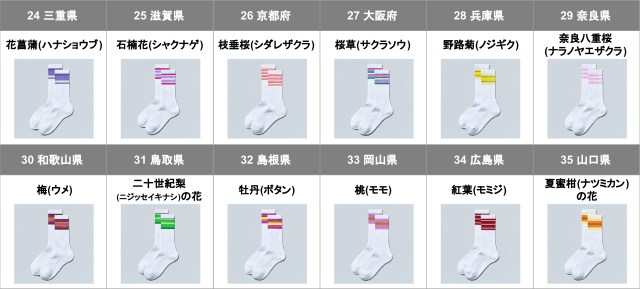
Though Tokyo and Kyoto both pay tribute to the beauty of Japanese cherry blossoms, the types of sakura are slightly different, giving us two unique looks.
▼ Osaka’s prefectural flower brings beautiful purple hues to this design.
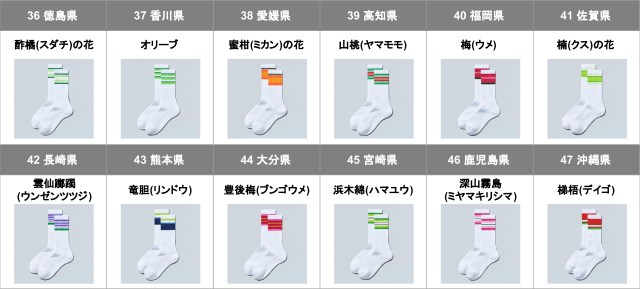
Finally, we travel further south, to prefectures on the islands of Shikoku, Kagoshima, and Okinawa.
Tokushima (Sudachi Citrus Blossom), Kagawa (Olive Blossom), Ehime (Orange Blossom), Kochi (Red Bayberry Blossom), Fukuoka (Japanese Apricot), Saga (Camphor Flower), Nagasaki (Unzen Azalea), Kumamoto (Japanese Gentian), Oita (Bungo Plum Blossom), Miyazaki (Grand Crinum Lily), Kagoshima (Kyushu Azalea), Okinawa (Coral Tree).
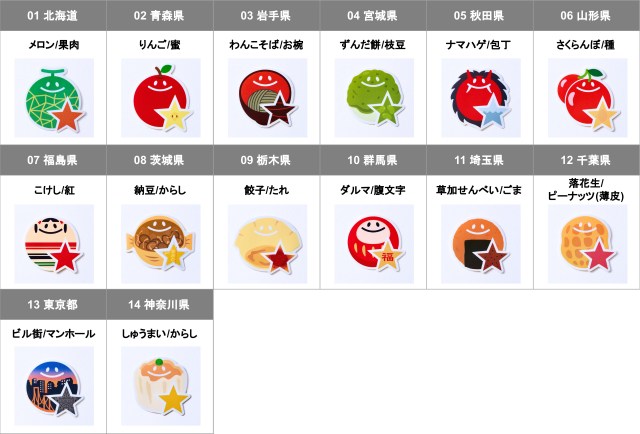
Moving on to the exclusive stickers, we travel the breadth of the country again, from Hokkaido to Okinawa, but this time we’re being introduced to some of the gems in each prefecture.
Hokkaido (Melons), Aomori (Apples), Iwate (Wanko Soba), Miyagi (Zunda Mochi), Akita (Namahage), Yamagata (Cherries), Fukushima (Kokeshi), Ibaraki (Natto ), Tochigi (Gyoza), Gunma (Daruma), Saitama (Soka Rice Crackers), Chiba (Peanuts), Tokyo (Business District), Kanagawa (Steamed Dumplings).
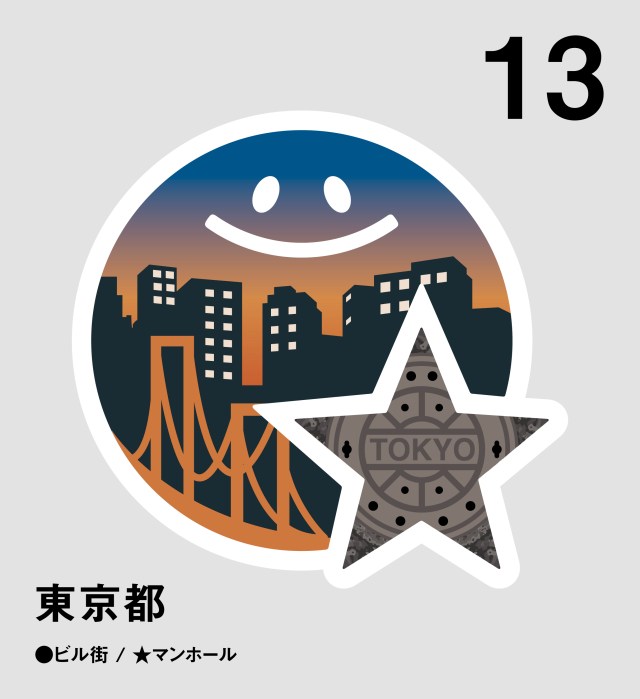
A closer look at the stickers reveals that the star portion adds a little something extra to each design. For the Tokyo sticker, an image of an arty manhole cover acts as a hat-tip to the many creative designs that exist around the city.

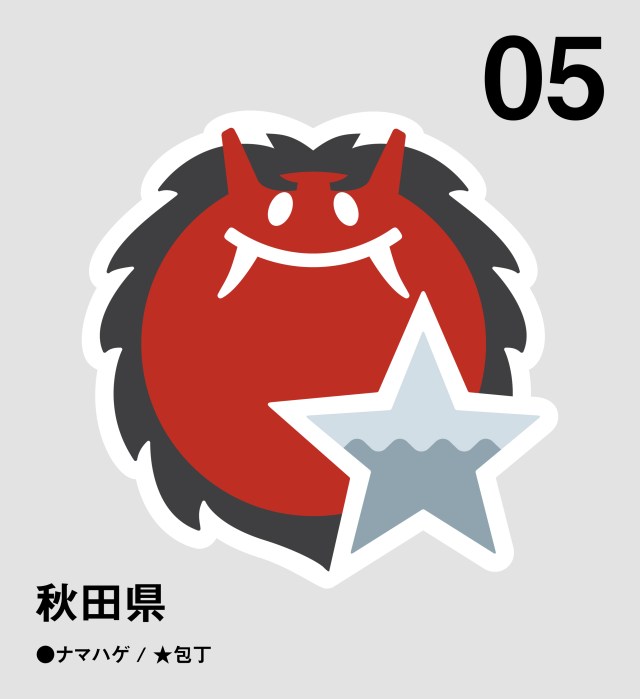
Namahage are demons that feature in Oga no Namahage, an annual event in Akita that’s been designated as a UNESCO intangible cultural heritage. The star beside the demon in this regional sticker symbolises the blade carried by the demons during the event.
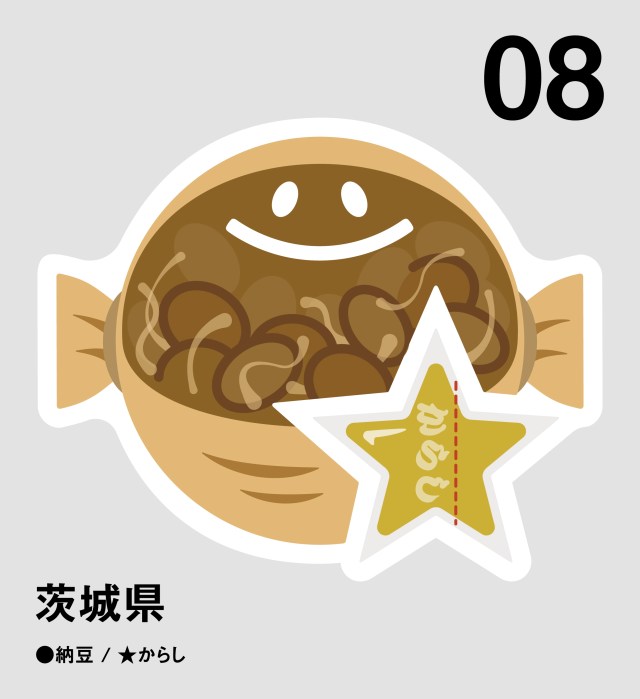
Natto, Japan’s famously divisive fermented food, is featured in the sticker for Ibaraki, with a side of mustard in the star as a nod to the mustard that commonly comes with it.
Moving down the mainland, there’s plenty more to discover as we make our way into central Japan.
Niigata (Rice), Toyama (Medicine), Ishikawa (Wajima Lacquerware ), Fukui (Sauce Katsudon), Yamanashi (Peaches), Nagano (Oyaki), Gifu (Gohei Mochi), Shizuoka (Deep-Steamed Green Tea), Aichi (Fried Prawn).
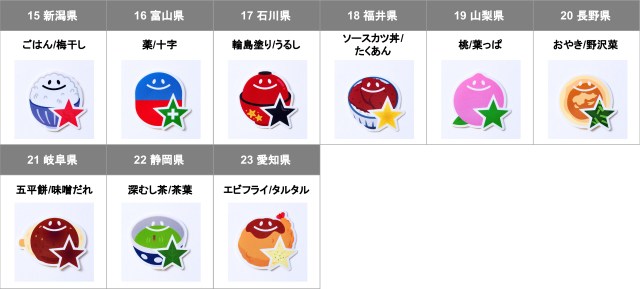
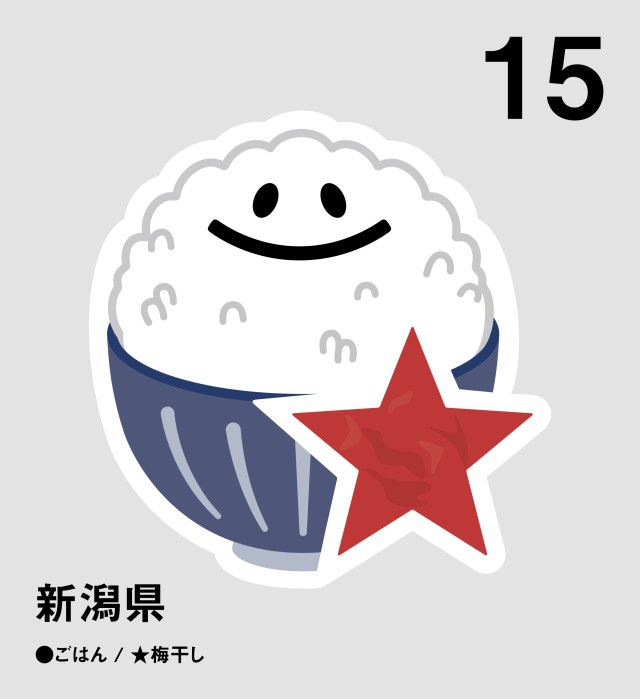
Niigata is famous for rice, and the star here is said to resemble a pickled plum. Together, these two ingredients make up Hinomaru Bento, a boxed meal that replicates the Japanese flag (“hinomaru”), and is said to be best made with Niigata rice, given its excellent quality.
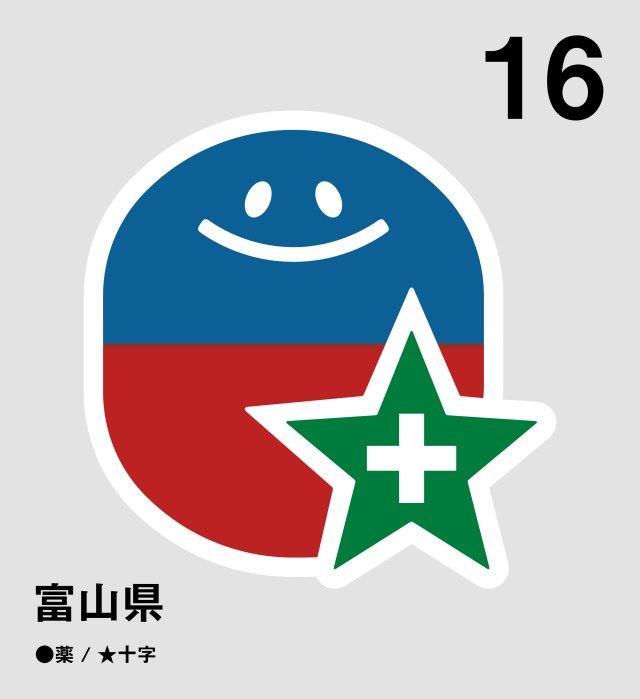
The sticker for Toyama might seem a little puzzling at first, but the prefecture has a long history of pharmaceutical production that can be traced back to 1690. You can even try some of the ancient machines used for pill-making in the prefecture today.
Next, we venture into Western Japan, which includes Osaka and Kyoto.
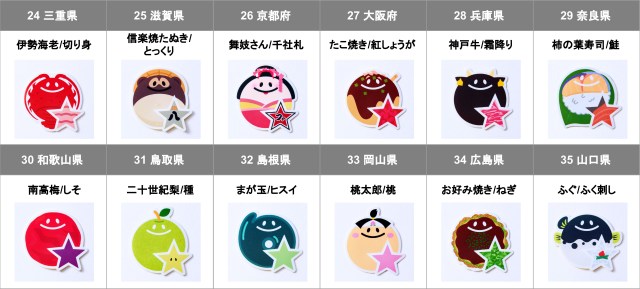
Mie (Spiny Lobster), Shiga (Shiga-ware Raccoon Dog), Kyoto (Maiko), Osaka (Takoyaki), Hyogo (Kobe Beef), Nara (Persimmon Leaf Sushi), Wakayama (Nanko Plum), Tottori (Nijisseiki Pear), Shimane (Magatama [comma-shaped beads]), Okayama (Momotaro [Peach Boy]), Hiroshima (Okonomiyaki), Yamaguchi (Fugu [blowfish]).
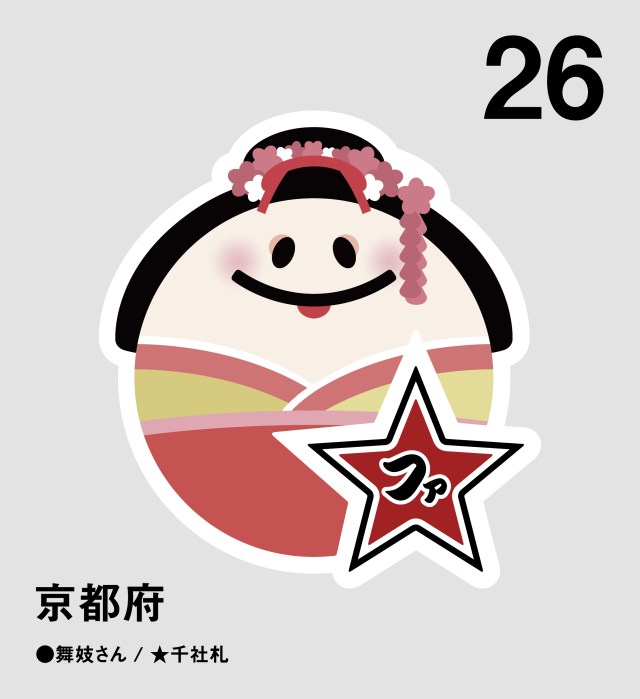
When you’re in Kyoto, you’ll want to keep an eye out for this homage to the apprentice geisha who call the city home. The star is designed to resemble a sanjufuda (votive slip), which can be seen on some of the shrines and temples around Kyoto.
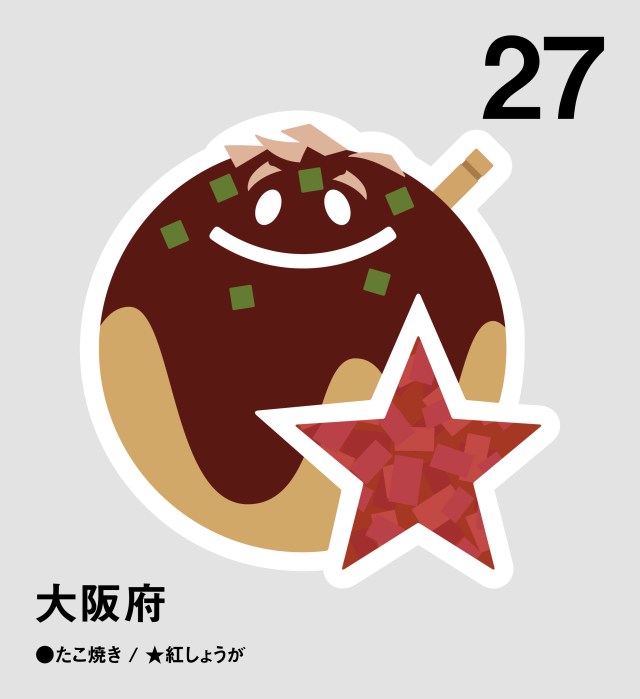
Osaka is synonymous with takoyaki octopus balls, and the star here symbolises the red ginger that’s commonly eaten with them.
Finally, we make our way to Shikoku, Kyushu and Okinawa.
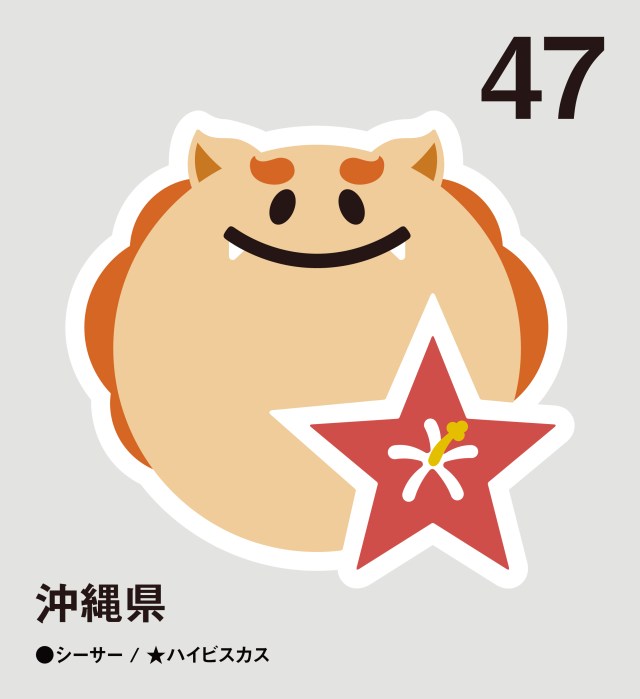
Tokushima (Awa Odori), Kagawa (Sanuki Udon), Ehime (Mikan), Kochi (Seared Bonito), Fukuoka (Tonkotsu Ramen), Saga (Hot Air Balloons), Nagasaki (Stained Glass), Kumamoto (Mustard Lotus Root), Oita (Onsen), Miyazaki (Mangoes), Kagoshima (Black Pork), Okinawa (Shisa).
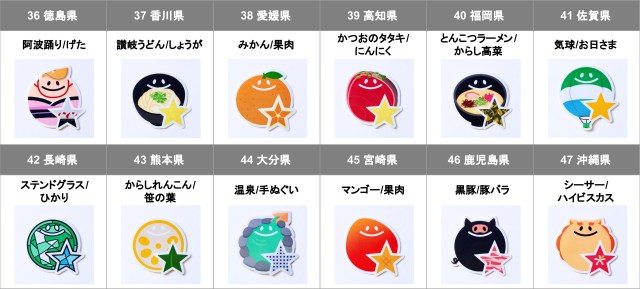
Shisa are guardian lion-dogs, and they’re an important part of Okinawan culture that can be seen in many guises throughout the island chain.
So next time you’re travelling around Japan and stopping by Family Mart for a rice ball and an umbrella, be sure to keep an eye out for the exclusive socks and stickers. They’ll make for an ideal convenience store souvenir, and a great memento of your travels.
Source, images: Press release
● Want to hear about SoraNews24’s latest articles as soon as they’re published? Follow us on Facebook and Twitter!