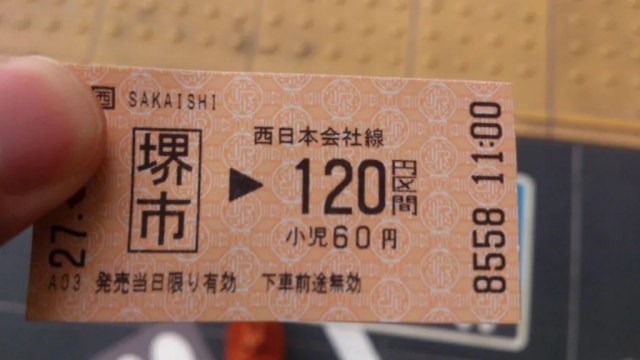

Changeover includes old-school solution for stations yet to upgrade to new technology.
Back at the start of the summer, East Japan Railway Company/JR East announced that it will be discontinuing the use of magnetic-strip tickets on its rail network, which is the largest and most-ridden in east Japan. Six other rail operators have now announced that they’ll be abolishing magnetic-strip tickets as well.
The companies joining JR East in this shift are:
● Keisei Electric Railway (operates in Tokyo and Chiba Prefecture)
● Keikyu (Tokyo, Kanagawa Prefecture)
● Tokyo Monorail (Tokyo)
● Tobu (Tokyo, Saitama, Chiba, Gunma, and Tochigi Prefectures)
● Hokuso (Tokyo, Chiba)
● Sendai Airport Transit (Miyagi Prefecture)
The collected companies also account for all rail access to Haneda and Narita Airports.
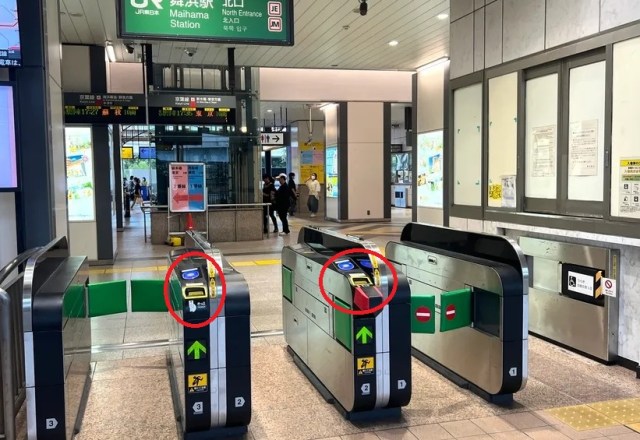
Under the current system, passengers using paper tickets on these lines get a ticket with information such as the starting station and fare amount printed on the front, and a magnetic strip on the back. As you approach a station’s automated ticket gates, you slide the ticket into a slot on the right side, then it pops up from the terminal on the opposite end, so that you can grab it without breaking stride. At your destination you insert your ticket again into the gate as you exit the station, and it’s retained within the machinery.
▼ Ticket gates at a JR East station, with their insertion slots circled

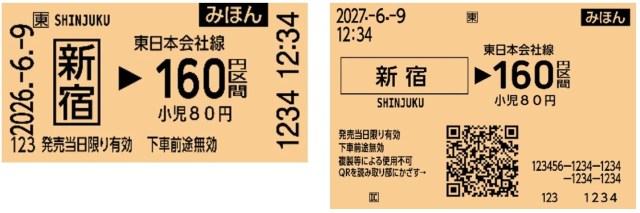
Starting in the spring of 2027, though, the seven rail companies will be switching over to a new system of tickets with QR codes printed on them. Since these can be scanned optically to confirm that the fare has been paid, there’s no need for the data to be contained on magnetic strips, so the QR system will be replacing the magnetic format.
▼ The QR tickets will also be larger, 8.5 centimeters (3.3 inches) along their longest side compared to the magnetic tickets’ 5.75 centimeters, as shown in this relative size comparison graphic.

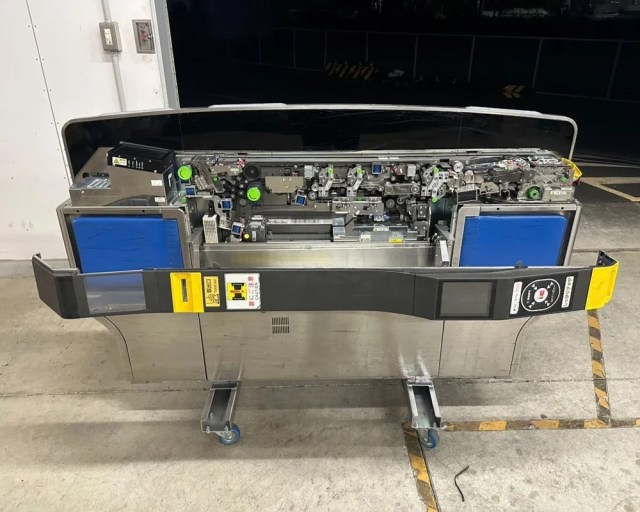
The companies say this switch is being made for sustainability reasons. JR East alone estimates that its current ticket design annually generates around 160 metric tons of trash, with the magnetic backings requiring a special chemical treatment in order to be safely disposed of. There’s also a long-term economic upside for rail operators in switching over to QR-code tickets. Not only does this allow them to essentially unify admission systems between their physical and digital/smartphone ticketing services, getting rid of magnetic tickets also allows them to eliminate a lot of complexity in ticket gate design and associated maintenance costs.
▼ It takes a lot of moving parts to pass a ticket through the machine and internally read the magnetic strip, as this gate with its outer casing removed shows.

Somewhat ironically, though, the switch to QR codes doesn’t mean that travelers will never again insert their ticket into a gate. After you scan your code at your destination station, there will still be a slot in the machine where you can stick your ticket, so that you don’t have to carry it around with you once your ride is done.
▼ Diagram showing the magnetic (top) and QR code (bottom) procedure when entering (入場) and exiting (出場) the station
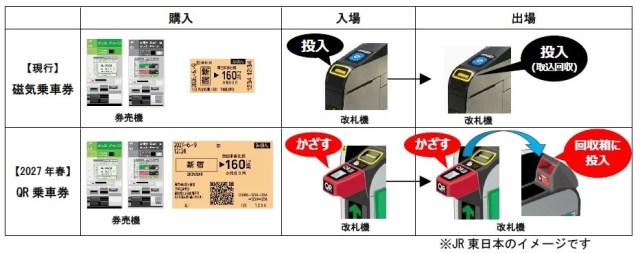

In another bit of irony, not all stations operated by the seven companies currently have ticket gates that are equipped with QR code readers, and that will most likely still be the situation when the changeover to QR tickets takes place in the spring. For travelers with QR tickets needing to enter/exit stations without any compatible gates are asked instead to show their ticket to a station employee at the gate, a decidedly old-school way of utilizing the new technology.
For travelers already paying for their fare through tappable prepaid cards like JR’s Suica, the switch to QR-code paper tickets won’t have a direct effect on them, but the changeover still marks the end of an era, so rail fans might want to grab an extra base-fare magnetic ticket to keep as a memento before they disappear. As for those who’ll miss the distinct staccato rhythm of tickets snapping into and out of the machine, maybe someday there’ll be a way to recreate it, like with the recent rebirth of patapata signage at this Tokyo station.
Source: JR East via Abema News via Livedoor News, Nitele News
Top image ©SoraNews24
Insert images: SoraNews24, JR East, Sotetsu
● Want to hear about SoraNews24’s latest articles as soon as they’re published? Follow us on Facebook and Twitter!