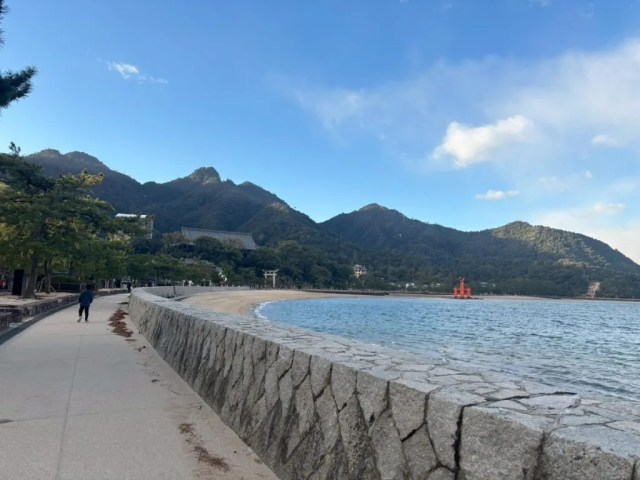

We head to one of Japan’s top travel destinations to see the situation and take cafe recommendations from a deer.
In November, the Chinese government issued a travel warning to its citizens telling them to avoid travel to Japan, the latest episode in the long-running series of China insinuating the question of “So…what if we decided to invade Taiwan?” and Japan once again replying with “Yeah…we would not be cool with that.”
But while the travel advisory came down swiftly, its effects have been delayed. Independent Chinese travelers who’d already booked flights and hotels weren’t all going to cancel their non-refundable reservations, and so the real impact won’t be something that can be judged until the coming months, with large Chinese tour companies removing Japan travel options from their offerings in response to government pressure to do so.
So roughly two months after the warning was issued, our Japanese-language reporter Natsuno Futon found herself on a boat to Miyajima in Hiroshima Prefecture, one of the most famous sightseeing destinations in all of Japan, to take a look at the inbound international tourist situation there.
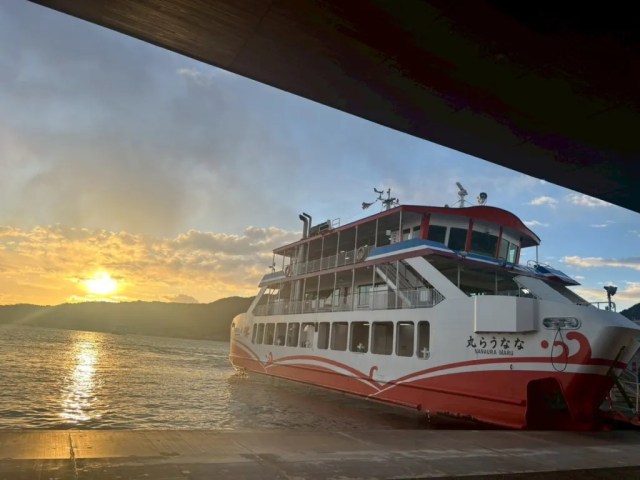
Having spent the night at a hotel adjacent to the ferry port on the mainland, Natsuno got on the ship bright and early, just a little before 8 a.m.
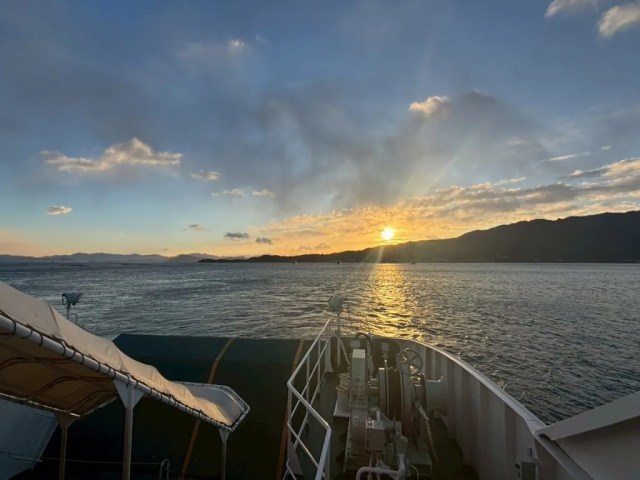
Actually, make that very bright and early, since as the ferry approached the island, the morning sun began rising up from behind Miyajima’s mountains.
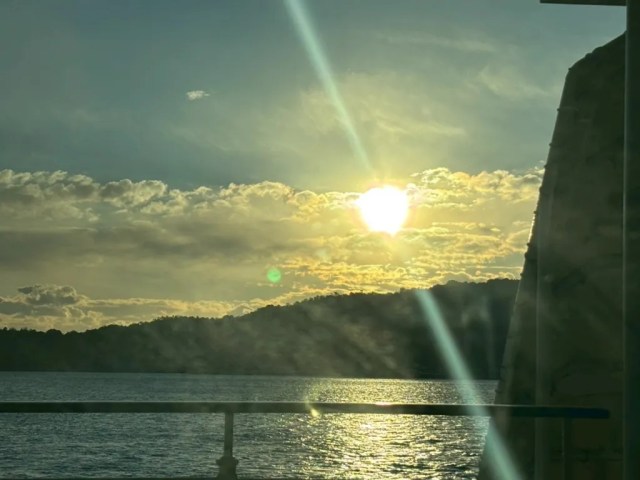
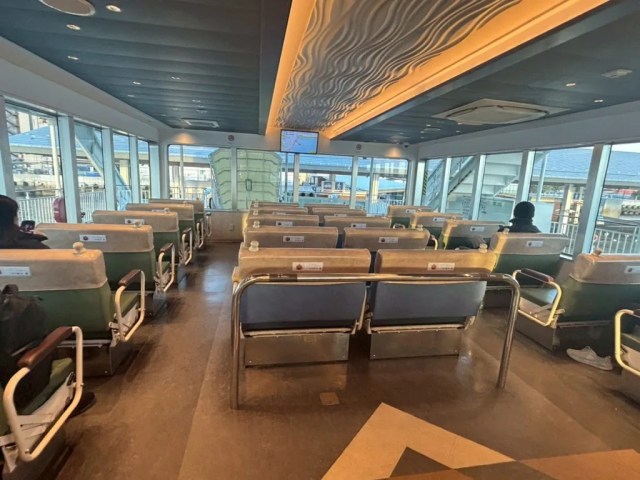
The trip between the ports takes about 10 minutes, and all of the conversations taking place around Natsuno were in Japanese, with no foreign tourists that she noticed.
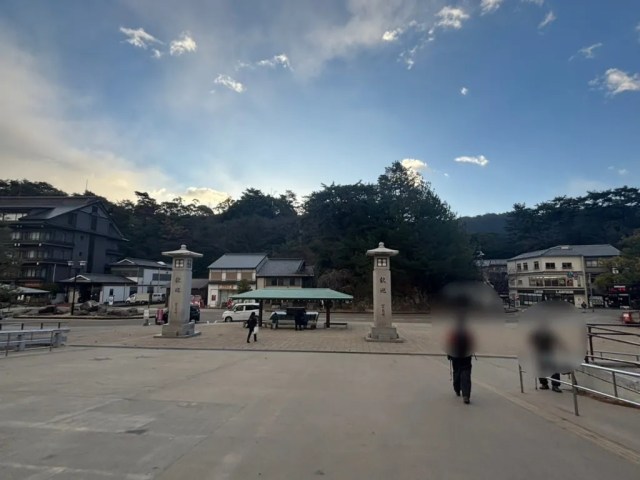
Natsuno was visiting on a Sunday in the middle of a three-day weekend, but also as a cold snap was hitting Japan. Between the weather and the early hour, she didn’t see many other tourists out on the streets of the town where passengers get off the ferry, but the local shops and restaurants weren’t open yet either. The foreign travelers she did encounter were pretty much all Europeans or North Americans, and the one time Natsuno did hear a snippet of conversation in Chinese, she could tell, from her time living in Taiwan, that the speakers were Taiwanese, and not from mainland China.
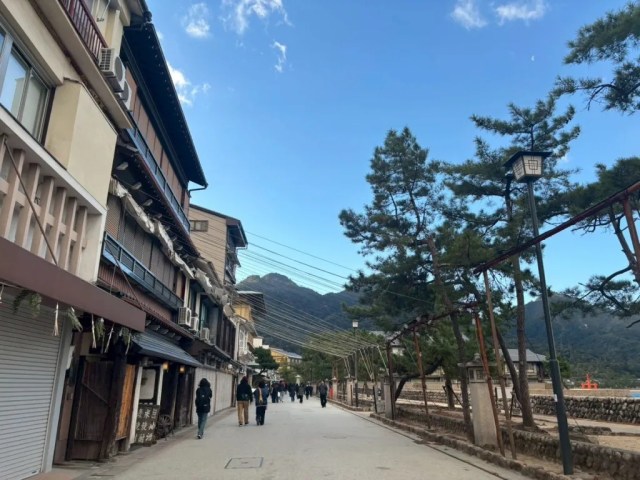
This was, by the way, Natsuno’s first time to ever visit Miyajima, and so of course she was going to check out its famous torii.
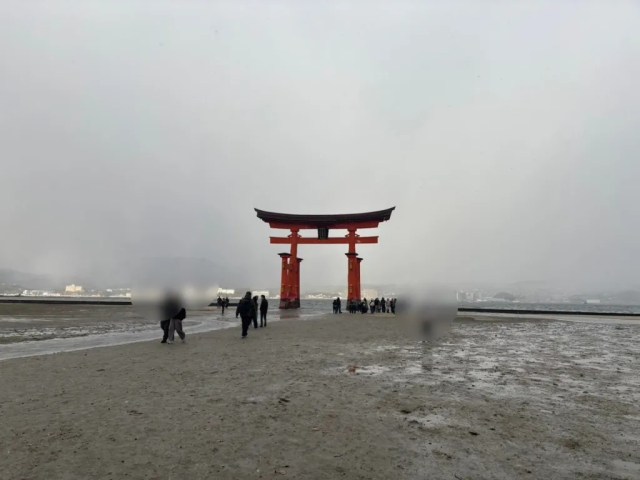
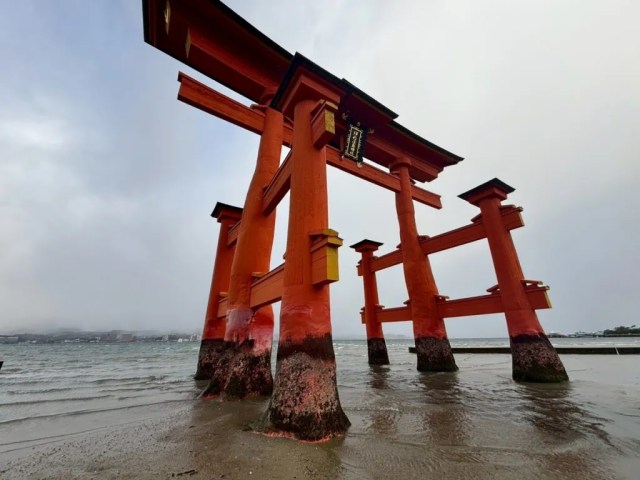
If you come later in the day, the gateway will be rising out of the sea, but in the morning, at low tide, you can actually walk all the way out to it.
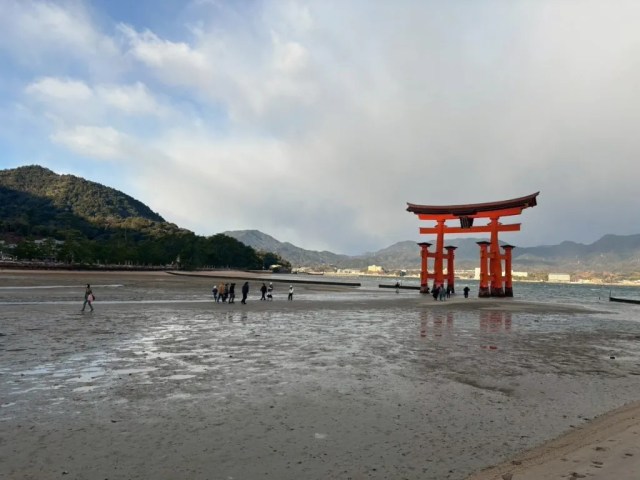
It’s a matter of personal taste as to which is more photogenic, but each view has its unique charm, which makes for a good reason to spend enough time on the island so that you can see both of them.
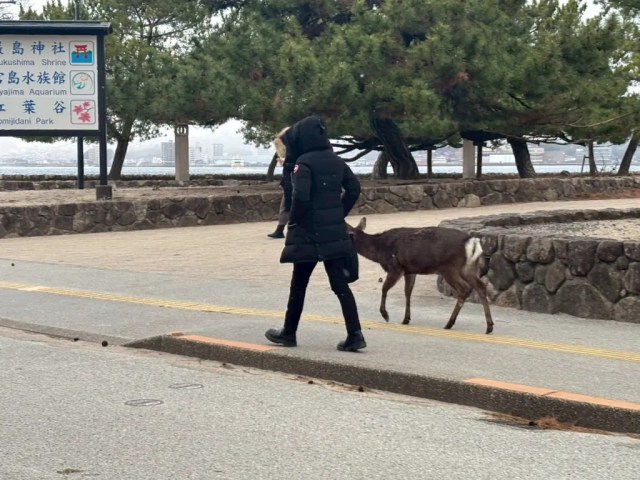
And while there still weren’t too many people out and about, Miyajima’s famous herds of wild deer were awake.

Recognizing an opportunity to have a local guide her around, Natsuno decided to follow along behind one of the animals to see where it was headed.
It ended up leading her to a local restaurant that’s gotten somewhat famous over the years for how often deer will hang around the entrance.
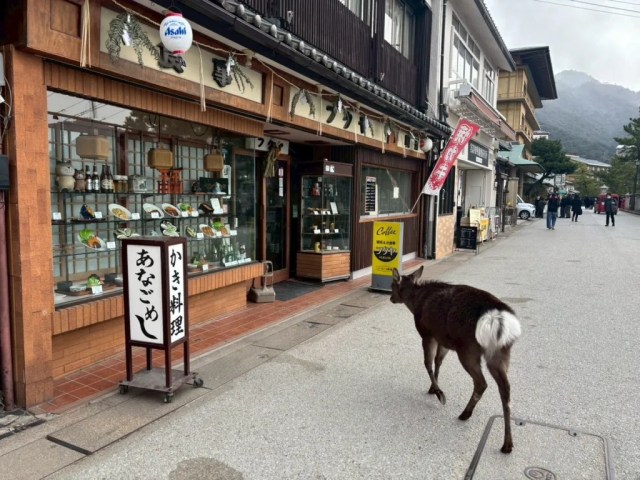
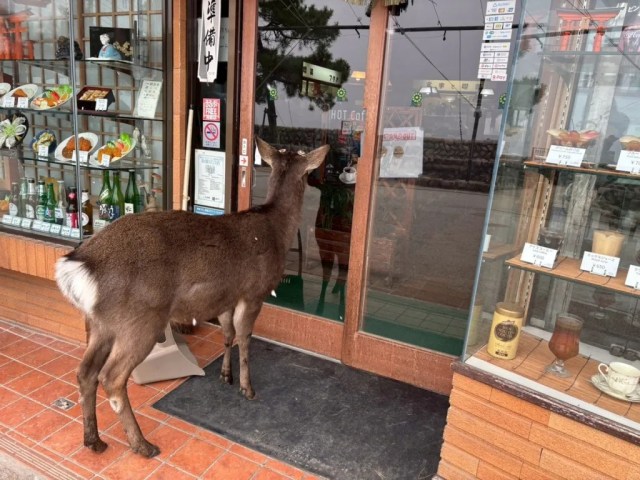
Natsuno could smell the scents of cooking coming through the windows as they place got ready to open, which might have been what drew the deer here too. But since they weren’t serving yet, Natsuno instead slipped into the cafe next door, figuring that this, too, was a recommendation from her friendly deer guide.
▼ Yes, cheesecake for breakfast. Travel calories don’t count, right?

As she partook of her perfectly sensible morning meal, Natsuno asked the cafe’s owners about the size of tourist crowds on Miyajima recently. They said that this weekend specifically had been less crowded than a typical holiday one would be, but chalked that up to the very chilly weather, which is a bad match for a primarily walking-around-outside place like Miyajima. When asked about the number of foreign tourists, they that they’ve been having tons of customers from overseas come through their door, but primarily people hailing from western countries. “Recently, we hardly see any Chinese tourists,” they told her. Overall, though, the increase in customers from other countries has more than made up for the dip in those from China. “If we had big tour groups from China coming in to the cafe regularly, it’d actually be more than we handle, probably,” they explained.
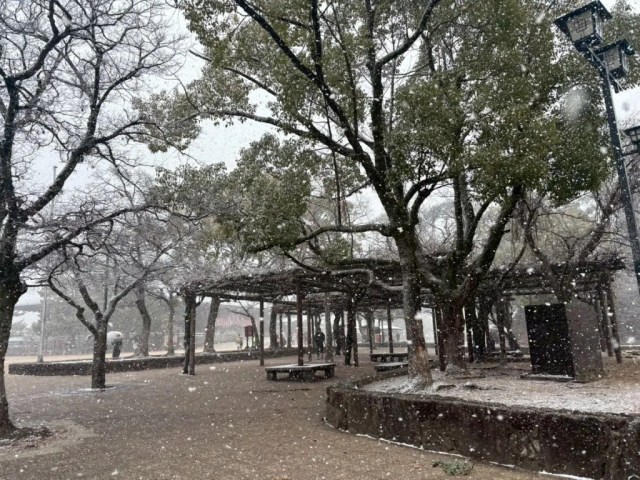
Snow had started falling while Natsuno was in the cafe, but with it now getting close to 9:30, stores were starting to open up, and so she headed back out to check on the crowds.
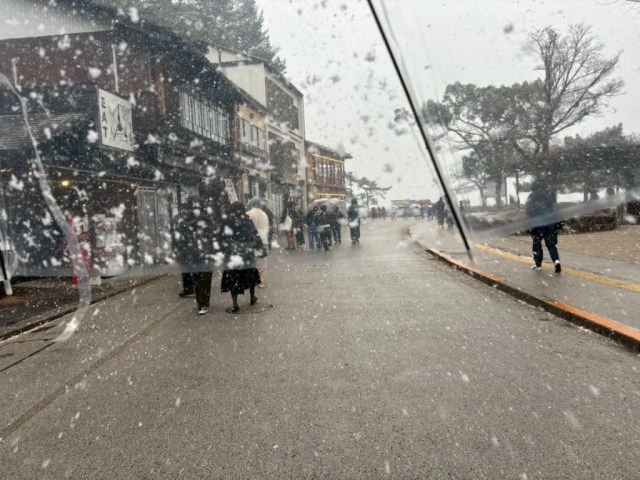
Walking around town, she started seeing more foreign tourists, including people from the Middle East and Korea, but still hadn’t heard anyone speaking non-Taiwanese Chinese. Stopping by a small tourist information center, she found the most of the people inside getting maps and other information were Japanese.
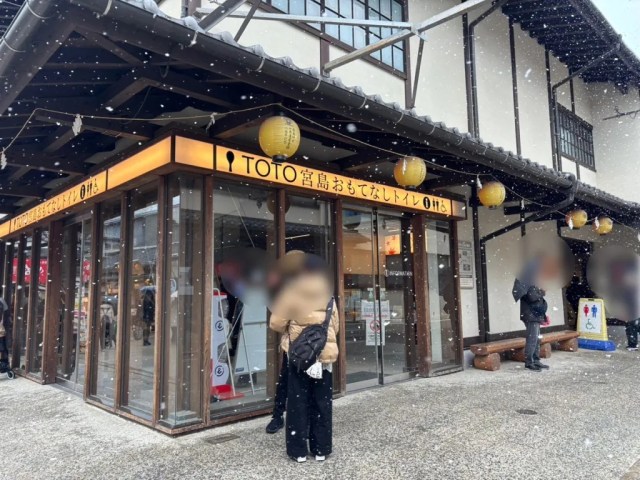
By now, the snow had stopped and the sun was out again, and the number of tourists quickly increased now that people who had spent the previous night in lodgings farther away from the ferry port had made their way to the island.
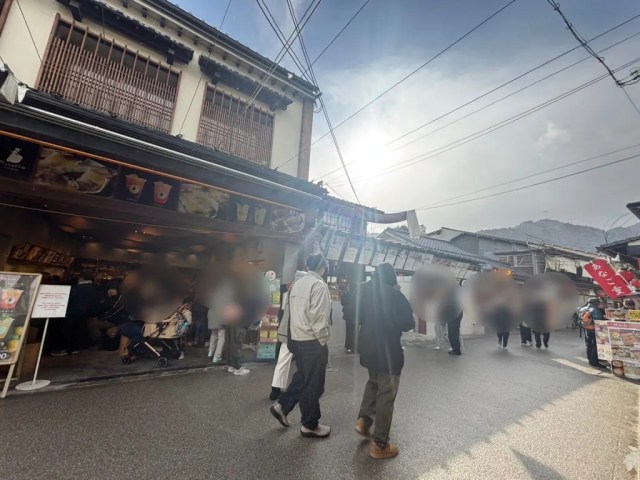
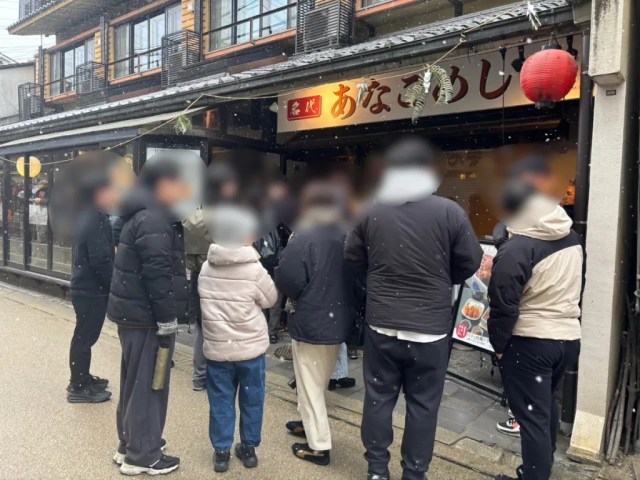
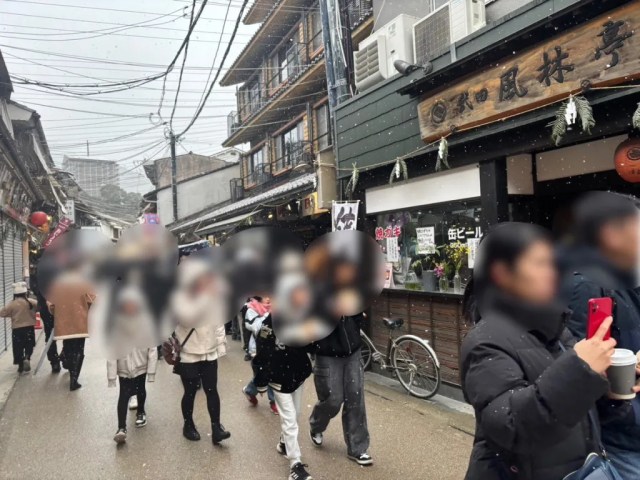
With this being past the Christmas/new Year’s vacation periods, the majority of the tourists were Japanese. Out of the foreign travelers, though, Natsuno once again didn’t hear, or otherwise notice, any from China.
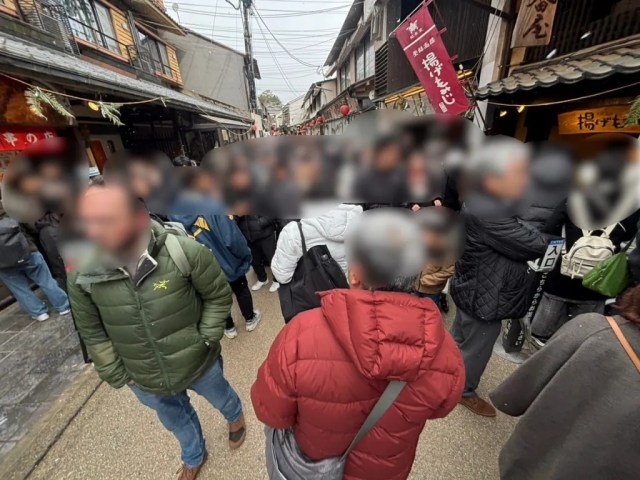
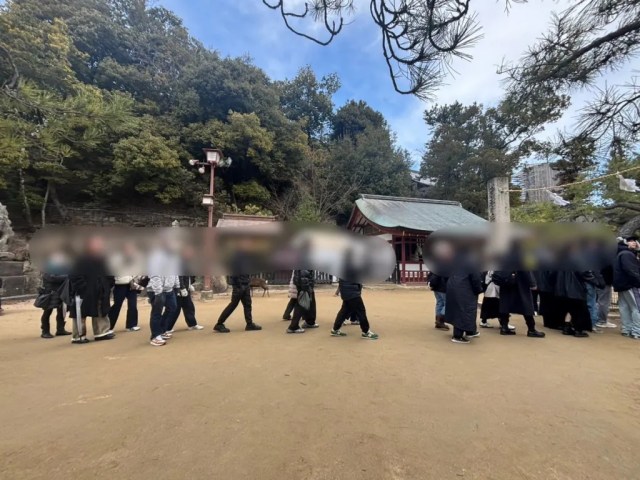
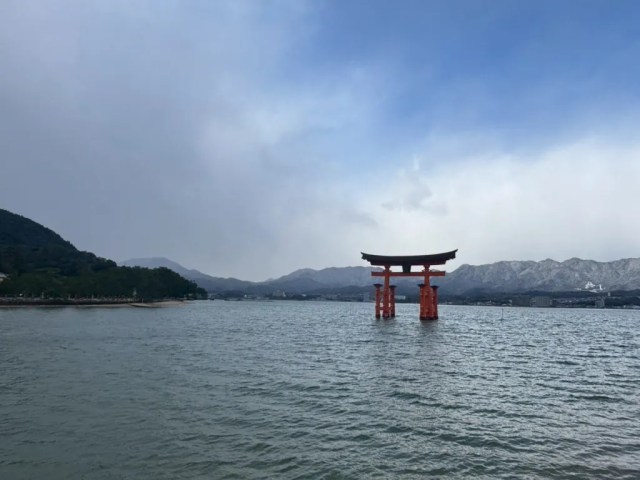
After pausing for one last snapshot of the torii (now at high tide), Natsuno headed back to the port to catch a boat back to the mainland. There were now so many people that the next departing ship was full and she had to wait for the next one.
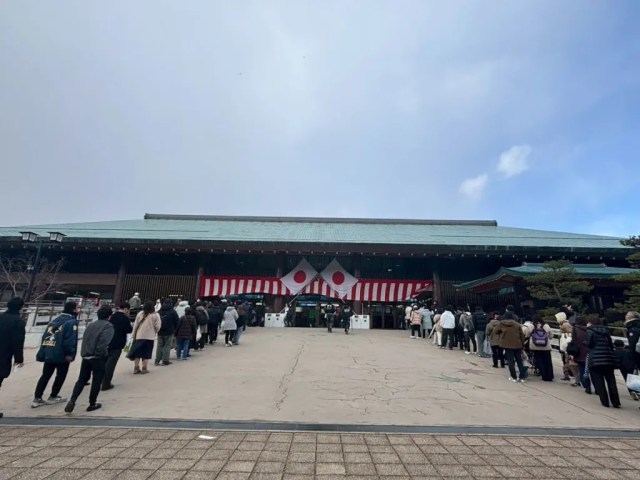
On the ferry back, she once again heard travelers from Taiwan talking, but none from China.
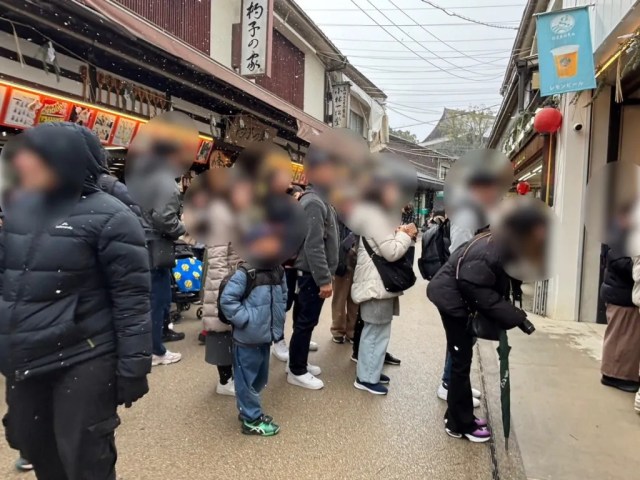
As you can see from the photos, Miyajima hasn’t become a ghost town/island in the wake of the Chinese government’s travel warning, and it doesn’t really seem to be the case that overall tourist numbers are down either, at least not yet. The demographics of who’s visiting, though, definitely seem like they’ve changed, and that might be the situation for at least the near future.
Photos ©SoraNews24
● Want to hear about SoraNews24’s latest articles as soon as they’re published? Follow us on Facebook and Twitter!
[ Read in Japanese ]