Well, good afternoon/evening/morning/day everyone! Today we’re going to talk about Japanese greetings and what they really mean.
Just as in English, “Konnichiwa” or “Good day” is a greeting that is technically an idiom with a complex and near-forgotten past. Just as English language greetings tend to stem from bastardizations of foreign loan words and/or full sentences that have been gradually shortened over the years, “konnichiwa” is actually a shortened version of a full and meaningful greeting, because, if anything, human beings are a lazy sort with a bad habit of cutting corners whenever possible.
“Konnichiwa,” back in the day, was actually the beginning of a sentence that went, “konnichi wa gokiken ikaga desu ka?,” or “How are you feeling today?” (今日はご機嫌いかがですか?)
Building on that, it’s easy to see that the traditional Japanese greeting in the evening, “Konbanwa“ is basically the same thing, but with “this evening” substituted for “today” (今晩はご機嫌いかがですか?).
When it comes to mornings, we deviate slightly with “ohayou” or “ohayou gozaimasu“ depending on how much you respect the recipient of the greeting (when it comes to my editor, he gets nothing but a curt, “ossu.”), which is spelled in Japanese, “お早う,” or, literally, “It’s early!” Again, humans being the lazy things we are, we can’t be bothered doing anything more than exclaiming about the ungodly hour every morning, so this is understandable.
There’s even more word origin fun to be had with Japanese greetings/idioms:
“Arigatou” or “Thank you” is spelled something like this in Japanese: 有難う, which, taken literally, means, “It’s hard that this exists.” In other words, you’re expressing gratitude for someone doing something difficult or going out of their way for you.
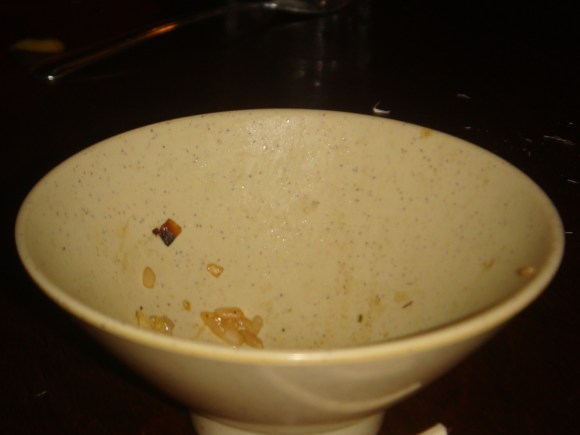
“Gochisousama,” the traditional phrase uttered after a fulfilling meal, and spelled “ご馳走様,” in Japanese literally means, “You ran around!” It sounds weird to an English speaker, of course, but it’s meant to recall a hard-working chef hustling to and fro to prepare a meal.
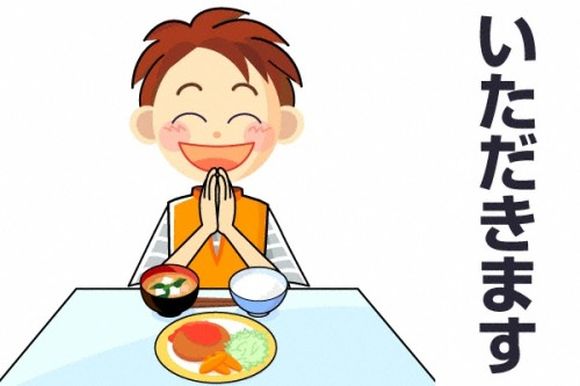
“Itadakimasu,” the phrase one is supposed to say just before tucking into a meal, on the other hand, is spelled “頂きます,” or literally, “I take!” While it sounds a little blunt and self-serving in English, it’s not hard to understand that this honorific phrase is used to express gratitude to the chef or host.
“Otsukaresama” is a greeting you’ll hear a lot around Japanese offices, schools and any other place where people work hard. The Japanese, “お疲れ様,” literally meaning, “You look tired!” The 様 part, which appears in a lot of these greetings/idioms, is hard to explain in English, but it stems from the Japanese の様 (“no yo,” or, “as if”), which denotes an observation on the part of the speaker.
“Omedetou,” (“Congratulations!”) is a more complicated animal, and even after some research and asking Japanese friends, we still aren’t entirely sure of this word’s origins. But, it appears that it stems from the verb, “mederu” (愛でる), “to treat importantly,” combined with “itashi” (甚し), “very.” In other words, you are acknowledging to someone that their accomplishment is “very important” to you. Note that the current kanji characters used for this, “お目出度い,” are actually what is referred to as “ateji” or kanji characters assigned to fit the sound of the word, rather than the other way around, and have nothing to do with the word’s meaning/origin.
Bonus tip! Being the incredibly handsome/gorgeous bilingual journalists we are, RocketNews24 writers feel for the common Japanese language learner. While Japanese grammar can seem perplexing at first, it’s actually quite intuitive. Take, for example, the verb modifier, “miru,” as in “shite miru,” or, “I will try.” When you look at the origin of this modifier, “して見る,” you see that it literally means, “I will do it, and see.” So, if you were to say something like, “歌ってみる,” at your next office karaoke session, you’re literally saying, “I will sing this song, and see [how it goes].” In our case, it will always go poorly.
If you’re looking for more Japanese language primers, you can check out Rachel, who inspired this article, on YouTube:
Feature photo: Wikimedia Commons, Inset 1, Inset 2, Inset 3


Sometimes Japanese customer service is so good, it’s hilarious
New Hatsune Miku Music Video “ODDS&ENDS” Leaves the World in Tears 【Updated】
Let’s learn Japanese through terrible “American jokes”
10 Japanese phrases for travelers that will help, amuse, or just plain confuse
10 Japanese expressions that sound delightfully strange and funny when translated
Studio Ghibli store Donguri Republic announces opening of first-ever store in America
Forget Tokyo go-karts – there’s a new way to sightsee on four wheels in Japan
Tokyo’s life-size Gundam is getting a new look before its end-of-summer removal
Japanese bento shop touches hearts by selling super cheap boxed lunches for around a dollar
When is miso ramen not miso ramen? When it’s the new ramen at one of Japan’s top beef bowl chains
Reinvented traditional Japanese hearths may be coming to a restaurant near you
Japan’s Pokémon Slowpoke Train goes on hiatus, but a mini version could be yours to own
Universal Studios Japan is giving Frieren anime fans the chance to make unforgettable memories.
Abandoned pirate pleasure ship sinking south of Tokyo Bay, city orders destruction
New Japanese overnight train coming to connect Tokyo with Tohoku in sleep-travel style
East Japan Railway announces plans to abolish magnetic-strip tickets
New Square Enix Cafe reveals Final Fantasy, Dragon Quest, Nier, and Fullmetal Alchemist menu items
Japan’s cheap beef bowl chain goes upscale with Matsuya Premium, but is it worth the higher price?
Family Mart commits “reverse fraud” in new Giant All-Star Festival, and we couldn’t be happier
7-Eleven Japan joins the craze for Korean Gamja Cheese Balls
Shakey’s Japan creates matcha mochi, Kyoto fish, and Kansai Chili Con Carne pizzas
Anne Hathaway creates PR frenzy in Japan after mentioning Tottori in Devil Wears Prada interview
7-Eleven Japan has a new Creamy Iced Cafe Latte that’s a hit on social media
Kanji ice cream becomes a sell-out hit in Japan
Uniqlo reveals third round of massive 100-year-anniversary manga T-shirts for Jump’s Shueisha
Even at twice regular Daiso price, this handy item is still great for summer travel in Japan
New official Ghibli anime food cookbook will teach you how to make Ponyo’s ramen and more
Japanese convenience store Lawson launches new “mini supermarket” chain, L Minimart
Japan’s real-world Pokémon hot spring’s first photos are here![Photos]
Kyoto public junior high school becomes first in Japan with a hoodie school uniform
Japanese convenience store shows us how to dress for the rainy season
Starbucks Japan unveils new Frappuccino showcasing “mottainai” culture
Japan’s human washing machines will go on sale to general public, demos to be held in Tokyo
Starbucks Japan releases new drinkware and goods for Valentine’s Day
We deeply regret going into this tunnel on our walk in the mountains of Japan
Starbucks Japan releases new sakura goods and drinkware for cherry blossom season 2026
Japan’s newest Shinkansen has no seats…or passengers [Video]
Major Japanese hotel chain says reservations via overseas booking sites may not be valid
Put sesame oil in your coffee? Japanese maker says it’s the best way to start your day【Taste test】
Japan reportedly adding Japanese language skill requirement to most common foreigner work visa
Japan’s 5.3 million beautiful Hitachi Nemophila flowers are now in full bloom[Photos]

Pokémon and Ikea Japan cross over into each other’s worlds with collaboration events
Five Japanese sign language phrases with interesting reasoning behind them
How to say every Japanese car brand’s name, and what they mean 【Video】
Japanese idioms become cute anime girls in latest anthropomorphization video game【Video】
Japanese Twitter shares the funniest “mysterious Japanese” that they’ve heard from foreigners
“Good on the floor?” Five funny times Google Translate drops the ball with Japanese idioms
Drink like an ox, eat like a horse! Five Japanese idiomatic phrases to celebrate Year of the Ox
What does a kanji with 12 “kuchi” radicals mean? A look at weird, forgotten Japanese characters
Hello Kitty learns sign language in newest friendship with Japanese artist
How do you say “Happy New Era” in Japanese?
When “yes” means “no” — The Japanese language quirk that trips English speakers up
Japanese commercial explaining how to greet a foreigner accused of racism
The top 70 words that keep showing up in Japanese light novel titles (and yes, isekai is one of them)
“Don’t touch my moustache!” Japanese that sounds like English but isn’t, and vice versa!