

Earlier this year, news of a letter sent to presidents of national universities—purportedly telling them to get rid of or modify their humanities departments to better “benefit” Japanese society—spread across the Internet. Since then, it has even been picked up by some high-profile English sites, with considerable (and understandable) consternation. And you can believe there were academics in Japan who were incensed at the idea as well.
But is it actually going to happen? It turns out the short answer is a weak “probably not.” The long answer, though, is a bit more complicated.
Plenty of digital ink has been spilled on this topic—and it’s one that deserves to be discussed, so we’re not complaining. Everyone from the Japan Times to Times Higher Education to Cracked has written about it, but in case you’re not familiar with the situation, here’s a brief rundown of what happened.
In June, the Ministry of Education, Culture, Sports, Science & Technology (MEXT) in Japan, sent out a letter ostensibly from Hakuban Shimomura, the head of the organisation, saying that public universities need to do a better job of meeting the country’s needs. The letter also said that universities should modify or even completely abolish their social science and humanities departments as a means of achieving this.
▼ Tokyo University released a statement flatly refusing to do any such thing.
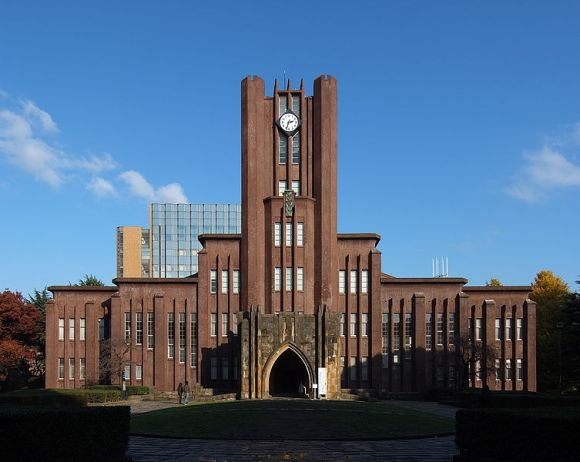
If you find that a terribly strange thing for the head of the education ministry to tell universities to do, you’re not alone. Nevertheless, the Yomiuri Shinbun reported of the 60 schools with humanities and social sciences departments who responded to a survey, 26 confirmed that they had plans to “reform or abolish” their humanities departments in line with MEXT’s wishes in 2016 or later. The Yomiuri article continues by explaining that recruitment of over 1,300 people for teacher training departments would be cancelled, among other reforms.
But things are looking a little different now at the end of September. A number of articles have been released indicating that the ministry seems to be attempting to walk back the original letter, though not particularly well.
For example, Japan’s Mainichi Shinbun recently publish an article whose lengthy title explains quite a bit: “Notification of Humanities Departments Abolishment: It was a mistake; it was really only meant for the education departments, says MEXT in a panic trying to soften the message, but not apologizing.“
According to the Mainichi article, MEXT is attempting to “put out fires” caused by the letter, which has drawn sharp criticism both domestically and internationally. The article quotes Takashi Onishi, the president of the Science Council of Japan, as saying, “I was really worried about the abolishment of humanities and social sciences departments, but after hearing [their] explanation, I see that’s not the case. I’m quite relieved.” This is a big change from a comment he made in July, when he said, “The contempt shown for humanities and social sciences departments will damage the entire education system.”
▼ Kyoto University also refused to snub the humanities.
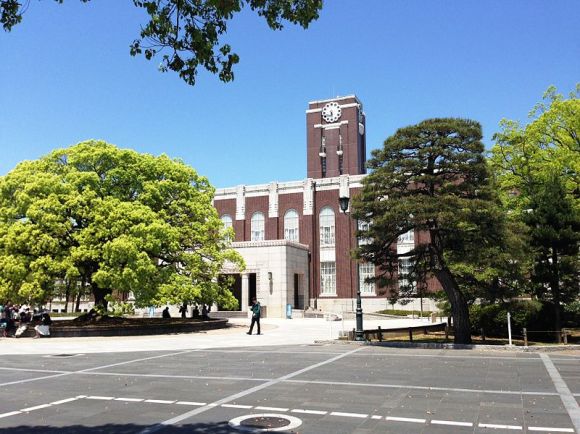
Onishi’s reversal comes after a top MEXT official, Yutaka Tokiwa, held a meeting during which he spent 30 minutes explaining “the real meaning” of the letter. He was quoted as saying that universities must foster the strength to survive in a difficult future and that the letter was asking if the current structure was fine the way it is. He also explained that as the country’s birthrate is declining, parts of the curriculum for training future teachers that is not directly necessary for graduation should be abolished, if they’re unnecessary.
Onishi actually agreed that some reform was important, but he also said that, “I’ve reread the letter any number of times, and I can’t see where they’re actually saying that.”
Nevertheless, MEXT seems adamant that they’re not trying to get rid of humanities and social sciences departments, only cutting back on teacher training and encouraging reform in the other departments. However, the ministry is also in the process of advancing the goal of rethinking the education system—a goal which has been in place since 2012, according to the Mainichi Shinbun.
As for the letter and the kerfuffle it has caused, the blame has fallen on the public servant who wrote it (though it was not Shimomura as near as we can tell), for a certain “lack in writing ability.” Still, MEXT insists they will not be issuing a redaction, and Onishi even conceded that “abolishment” could be interpreted to mean “abolish and reform,” an idea to which we would like to award a gold medal for mental gymnastics.
Or, as this Twitter user commented:
[tweet https://twitter.com/sunaharay/status/648063570991714309 align=center]
“MEXT leadership says, ‘The civil servant who composed the letter was lacking in writing ability.’ That’s an impressive display of avoiding responsibility.”
So, what does all this mean? Well, it seems that Japan’s national universities probably won’t be closing all their humanities and social sciences departments—at least not just yet. It’s entirely possible that the letter meant exactly what everyone thought it meant and that MEXT is just reacting to the anger of Japan’s universities. Put simply, we’re not sure many people believe (or necessarily should believe) the current explanation. The History News Network has a very detailed look at the budgetary and policy issues facing Japan today, if you’re looking for a more in-depth analysis.
However, it’s also unclear what will happen with the 26 universities that told the Yomiuri they would be following the letter earlier this summer. We can hope that they somehow understood the implication that they should be reforming and not closing the departments.
It might also be worth noting that this is hardly Shimomura’s only scandal at the moment. MEXT is, of course, also the ministry in charge of sports in Japan, and the minister is also involved in the debacle with the Olympic stadium; a debacle that saw him offering to resign just last Friday and proposing to return half of his pay for the last six months as a penance.
Hopefully Japan will still have humanities departments around to see the Olympic Games in a nice stadium in 2020. Or at least that there will actually be someone prepared to take the blame…
Sources: Mainichi Shinbun, 47 News, Yomiuri Shinbun, Times Higher Education
Top image: MEXT
 Japan’s Ministry of Education hosts Twitter campaign to recruit teachers, it backfires right away
 Knife-wielding professor fired from international department of one of Tokyo’s top universities
 University of Tokyo announces new department with all classes taught in English
 The top 10 universities in Japan determined by 2021 World University Rankings
 Tokyo Medical University accused of dropping women’s entrance exam scores 10-20 percent each year
 Solo travel in Japan: Hidden beer garden in Tokyo is a haven for single visitors
 Studio Ghibli unveils new anime calendars and diary planners for 2027
 Family Mart releases new Human Made Cup Noodle in Japan, with freebies for Nigo fans
 Family Mart joins forces with legendary sumo wrestler Chiyonofuji for new Convenience Wear collection
 Janken Kebab: Win at rock-paper-scissors and get extra fillings at this fun Japanese kebab shop
 Hobonichi unveils new 2027 planners, diaries and stationery with One Piece, Suica Penguin, Hello Kitty and a must-buy Mini Techo
 Is Tokyo’s Odaiba, once one of its trendiest neighborhoods, becoming a ghost town? [Photos]
 Beautiful 785-step Japanese shrine sando stairway walk is one very good reason to visit Kagawa
 One Piece Day 2026 brings new art, music, and new cast announcements
 7-Eleven Japan goes viral for chilled soba that’s “too salty to eat”
 Japan’s final Penguin Suica train cards have already shipped, and when they’re gone, they’re gone
 Japan approves foreign resident visa renewal fee increases of up to 967 percent, starts soon
 Japan tripled its departure tax to fund tourism but is using the money on cherry blossoms and bears
 Farewell Final Ceremony announced for Tokyo’s life-size Gundam statue, will stream live
 Nike x One Piece collection brings Devil Fruits to sneakers and streetwear in Japan
 Police in Japan looking for who’s responsible for dumping 80 loaves of bread on side of road [Video]
 12-year-old British girl who went missing in Tokyo found safe after visiting anime sites around Yokohama
 7-year-old boy left behind on Mt. Fuji by his own dad
 Air-conditioned dress shirts arrive in Japan to save working professionals from sweltering heat
 Sushi Bus: Japan’s first conveyor-belt bus lets you eat sushi while sightseeing around Tokyo
 Pokémon Center Online designates first Pokémon items that will require Japanese ID card to buy
 Japanese toilet aims to attract foreign tourists but not everybody is happy about it
 New Japanese vending machine at Shinkansen station sells cups of ice on platform
 Study finds hundreds of people in Indonesia legally named after Naruto, Inuyasha, other anime stars
 Japan announces sudden 400-percent increase in visa fees for foreigners entering the country
 Japan’s human washing machines will go on sale to general public, demos to be held in Tokyo
 Studio Ghibli has a new anime out, and there’s only one place in the world where you can see it
 Starbucks Japan releases new drinkware and goods for Valentine’s Day
 Starbucks Japan releases new sakura goods and drinkware for cherry blossom season 2026
 Japan’s newest Shinkansen has no seats…or passengers [Video]
 Tokyo subway installing new ticket gates that don’t accept payment through Suica or other IC cards
 Japanese ninja certification exam attracts 131 candidates from Japan and abroad
 Salomon releases Japan-exclusive Mt. Fuji hiking gear that doubles as an amazing souvenir
 Put sesame oil in your coffee? Japanese maker says it’s the best way to start your day【Taste test】
 Tokyo women’s university will accept transgender students who identify as female, a Japan first
 Nanotech professor from one of Japan’s top universities arrested for panty-theft
 Is it time for Japan to get over trying to connect your personality and blood type?