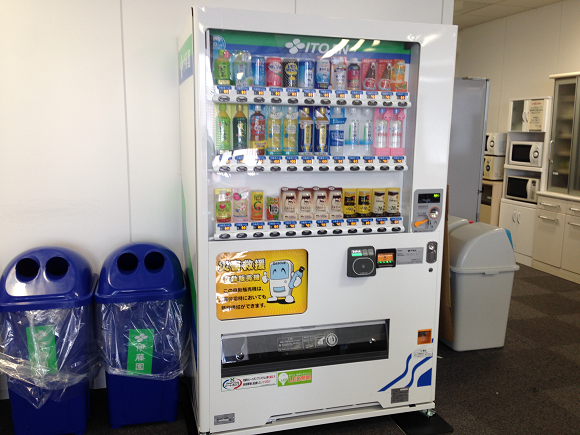
Some of the reasons Japan loves vending machines have nothing to do with an aging society of love of robots.
Video series Vox Borders recently came to Tokyo, taking a look at aspects of everyday life in Japan. Something that caught host Johnny Harris’ eye, as with many new arrivals to the capital, is the incredible number of vending machines to be found in Japan.
The purpose of vending machines is pretty self-explanatory (to sell things), but Harris wondered why Japan has so many, and seeks to answer that question in the straightforwardly titled video “Why Japan has so many vending machines.”
Harris raises a number of good points, but he also seems to get a bit carried away over Japanese exoticism, which leads to a couple of exaggerations and overlooking a few mundane, but by no means insignificant, reasons for the prevalence of vending machines in Japan. Let’s take a look at the reasons he highlights, and also at what the video doesn’t address.
1. An aging society?
“The first thing you have to know in order to use the vending machines, is that japan is an aging country,” Harris asserts, and it is true that due to a declining birth rate and long life expectancies, the average age in Japan is getting steadily older. Harris then ties this into the cost of labor in Japan, which in general is higher than in other countries, before concluding that “there’s a scarcity of low-skill labor” which contributes to Japan’s love of vending machines.
But vending machines aren’t the only thing that Japan has in abundance, as you’ll also find convenience stores all over the place, staffed by flesh-and-blood human sales staff. If it were really that hard to find human workers in Japanese society, or so expensive to pay them, convenience stores, which sell the same drinks, snacks, and smokes that vending machines do wouldn’t be able to turn a profit. Convenience stores do turn a profit, though, which is why there are so any of them here.
2. Expensive real estate?
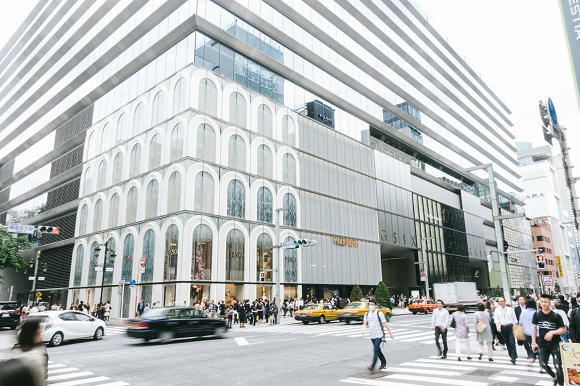
The next factor Harris discusses is the price of land, which he illustrates by saying “People literally live in apartments smaller than your SUV.” As someone who, in his bachelor pad days, pretty much went to the apartment agency and asked “What are the smallest rooms available?” I can tell you that residing in a Tokyo apartment “literally” smaller than an SUV is an extremely unusual living arrangement, and not at all indicative of the life most Tokyoites lead.
But let’s get back to vending machines. Harris says that because of the high cost of land, “instead of paying a lot of money for a storefront, retailers will just slip a little machine into an alleyway, save a lot of money, and they can still turn a really good profit.” He’s right about being vending machines in unexpected locations, looking like they grew straight out of the concrete, being part of the urban landscape. And yes, many of them do get a lot of customers.
For the machines’ owners, though, it’s not necessarily an either/or choice of putting up a vending machine or selling drinks the old-fashioned, human-touch way. Oftentimes, vending machines set up next to businesses sell items the store itself doesn’t specialize in, such as a vending machine being placed in front of a bookstore or clothing shop. The products are different enough that the shop owners don’t just want to slip a cooler next to their racks of paperbacks or polo shirts, but if you’ve got customers coming in and out all day long, some of them are going to be thirsty, so a vending machine outside the entrance is convenient for visitors and profitable for owners.
As for those alleyway vending machines, a lot of them are a co-op with the owners of the house they’re in front of. On the street in the residential area I live in, there are two houses with machines just a few steps from their front door, which are primarily used by people commuting to and from work. The lack of a storefront isn’t because of real estate prices, but because the homeowners want to make some extra yen, but aren’t interested in running a store out of their home.
3. Automation fascination?
According to Harris, “The bigger explanation for the vending machines is a fascination, or even an obsession, with automation and robotics.” He’s sort of right, in that Japan does have a special fondness for science and robots. Some of the examples he gives, though, don’t entirely fit that role.
For example, he points to the way that rear passengers doors on Japanese taxis automatically open and shut, which always delights foreign travelers. However, this didn’t become the norm in Japan because people thought it was cool and hi-tech, but because in Japan, cabs take the concept of hospitality very seriously, as demonstrated by their spotless interiors and the white gloves drivers wear.
Just like fancy hotels employ doormen, it would be hopelessly gauche for a Japanese cab driver to insist that his passengers open and close their own door. One solution would be for the driver to get out and open the rear door himself, but that would involve stepping out into traffic, and even if there aren’t any oncoming cars, getting out slows down the whole process of passengers boarding and getting underway.
Rear doors that the driver can open with the push of a button shows as much of a fascination with automation as self-starting engines that don’t require had-cranking do. The alternative is an inefficient, potentially hazardous process, so why not automate it? And as we’ll see a little later on, something similar applies to vending machines.
4, A pocketful of change?
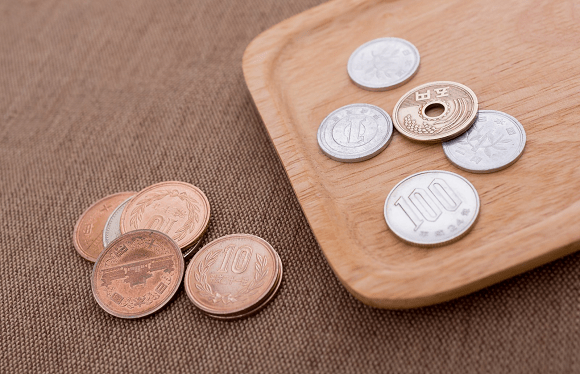
Finally, Harris touches on the fact that in Japan, the smallest denomination of paper money is 1,000 yen (US$9), which means most people end up carrying around a lot of coins. Being able to get rid of those coins by feeding them into vending machines is extremely satisfying, he says, and he’s right. At the same time, prepaid rail pass cards have become ubiquitous in Japan, and most vending machines will let you use them as payment as well, so the connection with loose chain isn’t absolute.
OK, that takes care of Vox Border’s explanations, so what did they miss?
5. Bulletproof reliability
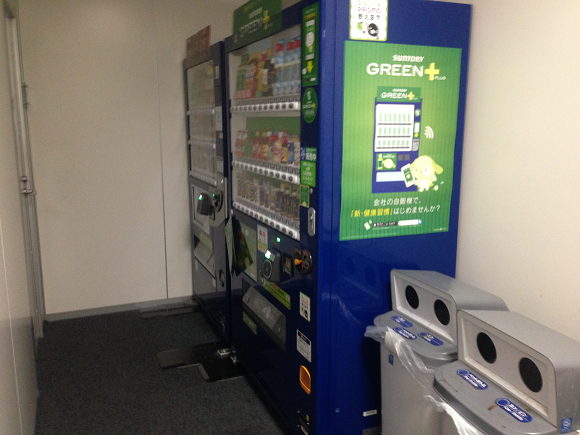
Harris’ mention of Japan’s love of technology is rather telling, though. As a matter of fact, Japan doesn’t just love science and engineering, it deeply respects those fields, and when coupled with Japan’s legendary work ethic, the result is that Japan’s vending machines simply don’t break down.
In two decades of living and traveling in Japan, I can count the number of times I’ve encountered a broken vending machine on one hand. That reliability is a huge plus for owners, as it eliminates the hassle and expense of repairs.
6. A lack of street crime
Street crime, while not unheard of in Japan, is extremely rare. Considering that vending machines are essentially unmanned boxes of goods and cash, they should be prime targets for thieves, vandals, and in the case of Japan’s wonderful vending machines that sell beer, sake, and hard liquor, alcoholics and underage drinkers.
And yet, I’ve never seen a single pilfered vending machine in Japan. Again, for owners, this is a gigantic economic upside, since it effectively eliminates the profit-draining possibilities of theft or damage, which again makes the idea of setting up a vending machine that much more attractive.
7. So much walking
But those last two points are more on the supply side of vending machines. Where does all the demand come from?
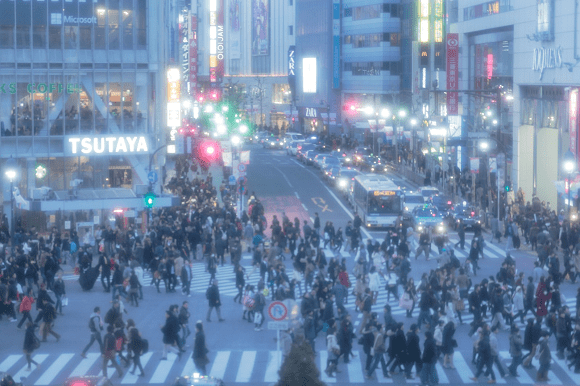
While people in rural Japan still get around by car, for those living in moderate and large cities, where most of Japan’s population is now centered, if you’re going anywhere, you’re going to be making much of the trip on foot. Sure, there are train and subway lines crisscrossing Tokyo, but you’ll still be walking to the station (a 10-minute walk to the station is considered average for most urban/suburban residents) and to your destination once you get off the train.
In the summer, Japan is hot and humid. In the winter, it’s cold enough to snow. So when you’re walking through one of those unremarkable side streets with a vending machine that Harris talked about, and you see a bottle of ice-cold Pocari Sweat sports drink or piping hot Oi Ocha green tea, it’s like an oasis, and plenty of pedestrians will stop their steps to make a purchase.
8. An extremely punctual society
As mentioned above, some of what Harris calls “an obsession with automation” is really just a desire to do things as efficiently as possible, which is in turn a product of how much Japanese society prizes punctuality. The video shows, in addition to showing a taxi door swinging open automatically (ironically at the exact same moment a man on the street can be heard giving a speech about the importance of labor unions), customers at a ramen restaurant buying meal tickets from a machine, which they then hand to the staff.
Again, that’s not because the restaurant operators think such a system is cool or cutting-edge, but because ramen restaurants are frequented by students and office workers, many of whom are in a rush to get back to work, class, or home at the end of a long, hard day. Especially in densely populated Tokyo, any restaurant you go to at lunchtime is likely to be crowded, so rather than have a waitress seat you, take your order, bring you a bill, and then bring back your change, people can get fed much more quickly with a machine selling meal tickets, which are then given to a staff member who’s a combination cook/server.
The same principles are at work with Japan’s vending machines. You’ll find some of the highest concentrations of the machines in train stations, and the reason why is because Japan’s trains are punctual down to the exact minute, so many people plan their commutes with the same level of precision. If it takes you 10 minutes to walk to the station from your house, there’s no need to head out the door 15 minutes before the train arrives, and with less slack built into your commute, it makes a lot more sense to spend seconds buying a drink from a vending machine (especially if you’re paying by just tapping a prepaid card against the receptor pad) than to spend minutes going to a store.
So yeah, Japan’s expensive real estate and affinity for technology might have something to do with all those vending machines, but efficiency, reliability, and convenience are by far the bigger factors.
Featured image: YouTube/Vox
Top image ©SoraNews24
Insert images: Pakutaso (1, 2), SoraNews24, Pakutaso (3)
[ Read in Japanese ]