

A trip on the Aurora icebreaker boat takes you to the southernmost point where the ocean freezes.
If you’re looking for unusual sights in Japan, you can’t go past the drift ice in eastern Hokkaido. This special winter activity is one you can’t experience anywhere else in the country, and certainly not in a lot of other countries either, making it a must-visit destination.
Though a lot of tourists are yet to learn about the drift ice in Japan, fans of the Golden Kamuy manga franchise will be well acquainted with it, as the climax of the Sakhalin chapter is set on the drift ice, making it a real-world location that fans flock to.
▼ The ice can’t be seen from land, however, so the only way to view it is by boat from Abashiri, which sits on the Sea of Okhotsk.
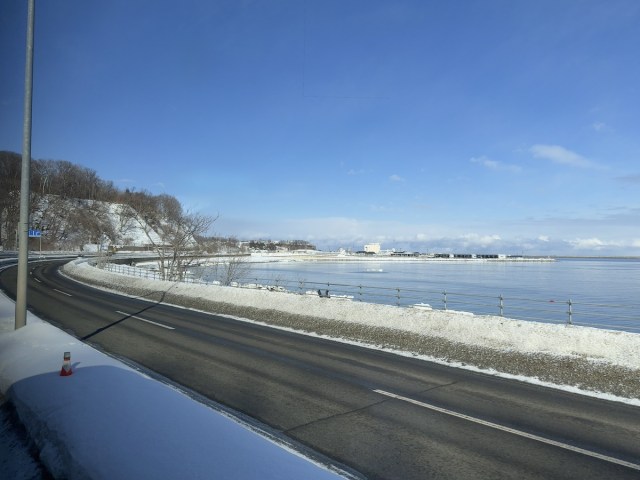
The start of the season is one that boat operators look forward to every year, when the drift ice, known as “ryuhyo” in Japanese, typically arrives along the coast from late January to mid-February, having made the journey through the Sea of Okhotsk from Russia’s Amur River.
▼ The shores of Okhotsk are the southernmost point where the ocean freezes.

With peak viewing season usually running from mid-February to early March, early tours can be a bit hit-and-miss in terms of up-close encounters, as the ice moves closer to land or further away from it depending on wind conditions, so it’s not in the same place every day. In fact, even if you can see it, there’s a chance it’ll be out of sight an hour later, so it’s a bit like setting out on a whale-watching tour, with the up-in-the-air aspect of the natural phenomenon adding to the excitement of the adventure. The whale in this case, though, is a sea of ice as far as the eye can see, and as long as there’s a reasonable amount of it within a distance that allows a tourist boat to make a round trip, visitors will be able to see the sights.
▼ Tickets for a round-trip tour start at 5,000 yen (US$32.13) for adults and 2,500 yen for children.
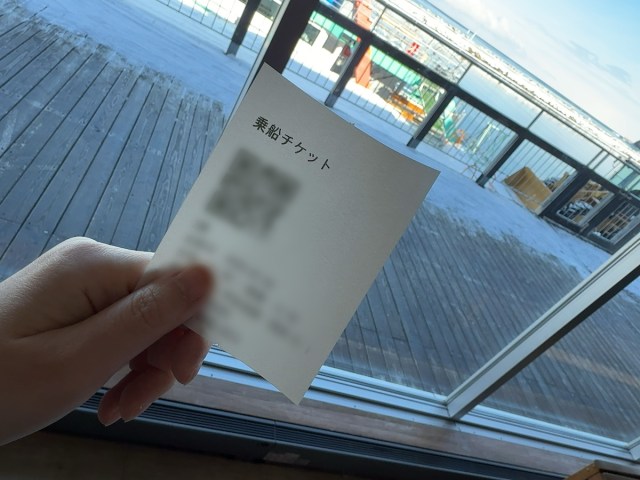
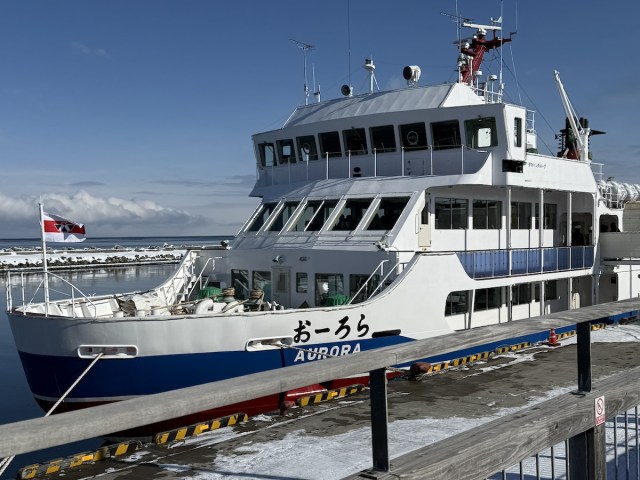
There are two icebreakers, the larger Aurora and smaller Aurora III, that take visitors out to sea, and although guides do their best to ensure visitors are able to see the drift ice, there are no guarantees. On some days, the entire harbour may be covered in so much ice that the boats won’t even be able to depart and on other days, the ice may be too far off, in which case visitors will be taken on on a sea excursion to Cape Notoro on the Aurora vessel.
Though the company does its best to keep visitor expectations low for the tour, those expectations are frequently exceeded as ice is seen on the majority of tours. When we took the tour in late February, we were left in awe of the experience, as we were able to see the ice up close, and catch a glimpse of the natural inhabitants that call this place home.
As you might expect, the tours are popular so boarding times can be crowded. Reservations are required well in advance, but as the boat has unreserved seating, it’s recommended that you arrive at the boarding area early so you can line up and snag the best window-side seats.
▼ The Aurora can accommodate 450 people for each 60-minute tour.
▼ As soon as people board, there’s a scramble for seats, and there are some gorgeous spots to choose from.
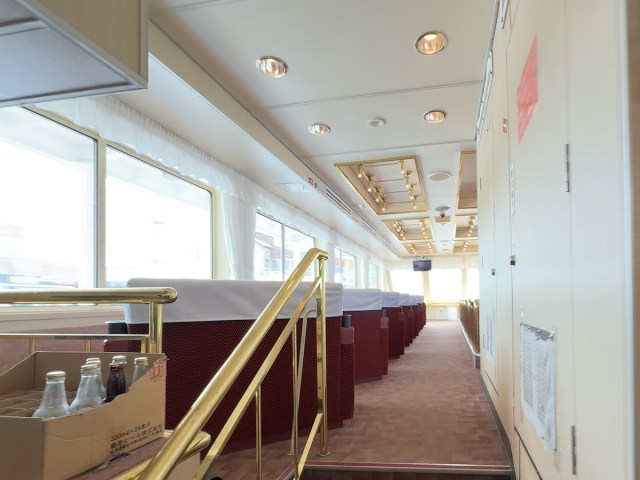
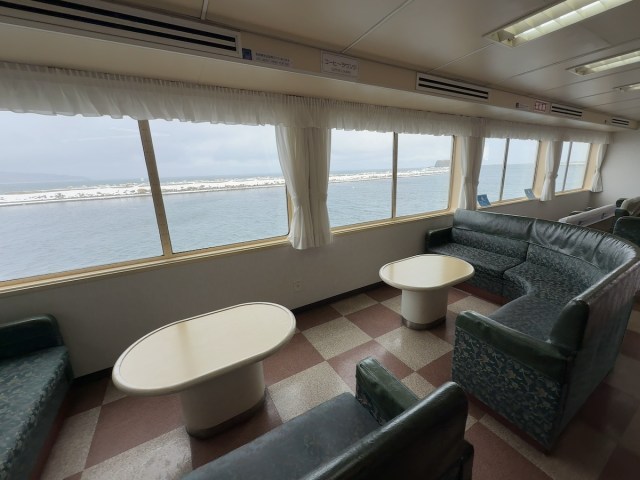
▼ There are special rooms that cost extra, but the unreserved seating areas have stunning views.
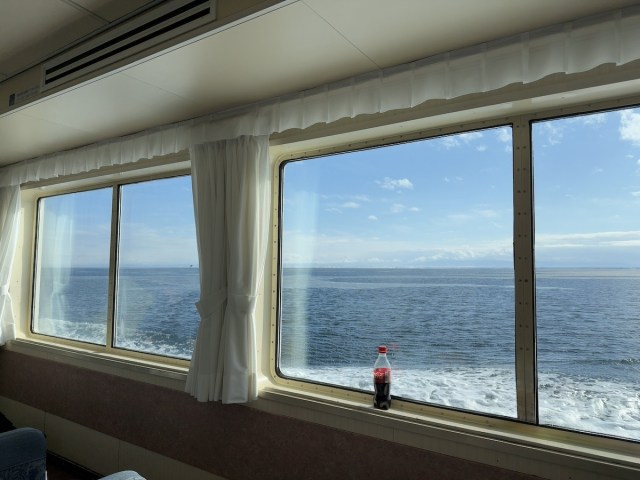
The captain steers the Aurora towards the drift ice, wherever it may be on any given day, so that about halfway through the 60-minute voyage, you’ll start to see a thin, translucent layer of ice covering the sea. This layer of ice breaks off in disc-shaped patches poetically known as “hasuha” (lotus leaf) or pancake ice, due to the way they resemble floating lily pads or pancakes, as the circular ice floes form through rotations on the waves.
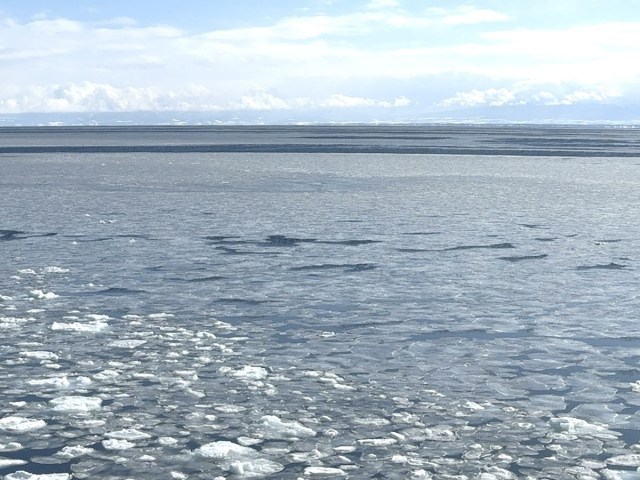
The operators are generous with the tour time, extending it on days when the ice is just within reach but slightly further than usual. Though the Aurora boats are synonymous with the drift ice, another sightseeing boat called the Garinko II in Monbetsu also forges through the sea, but using slightly different methods, as it employs a drill-like screw to break through.
▼ The Aurora is a sister ship to the Antarctic research vessel Shirase, which breaks the ice using the ship’s own weight.
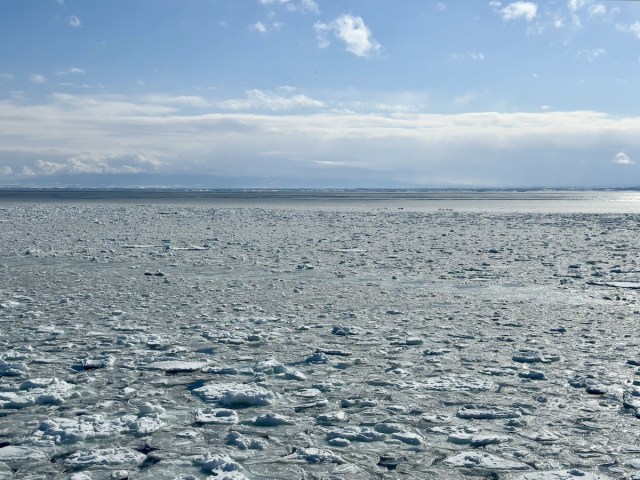
Once the surface of the sea changes, it doesn’t take long until you reach the drift ice. Unlike the scenes in Golden Kamuy, the ice isn’t thick enough for people to walk on, but it’s no less impressive as blocks of ice begin to appear all over the place.
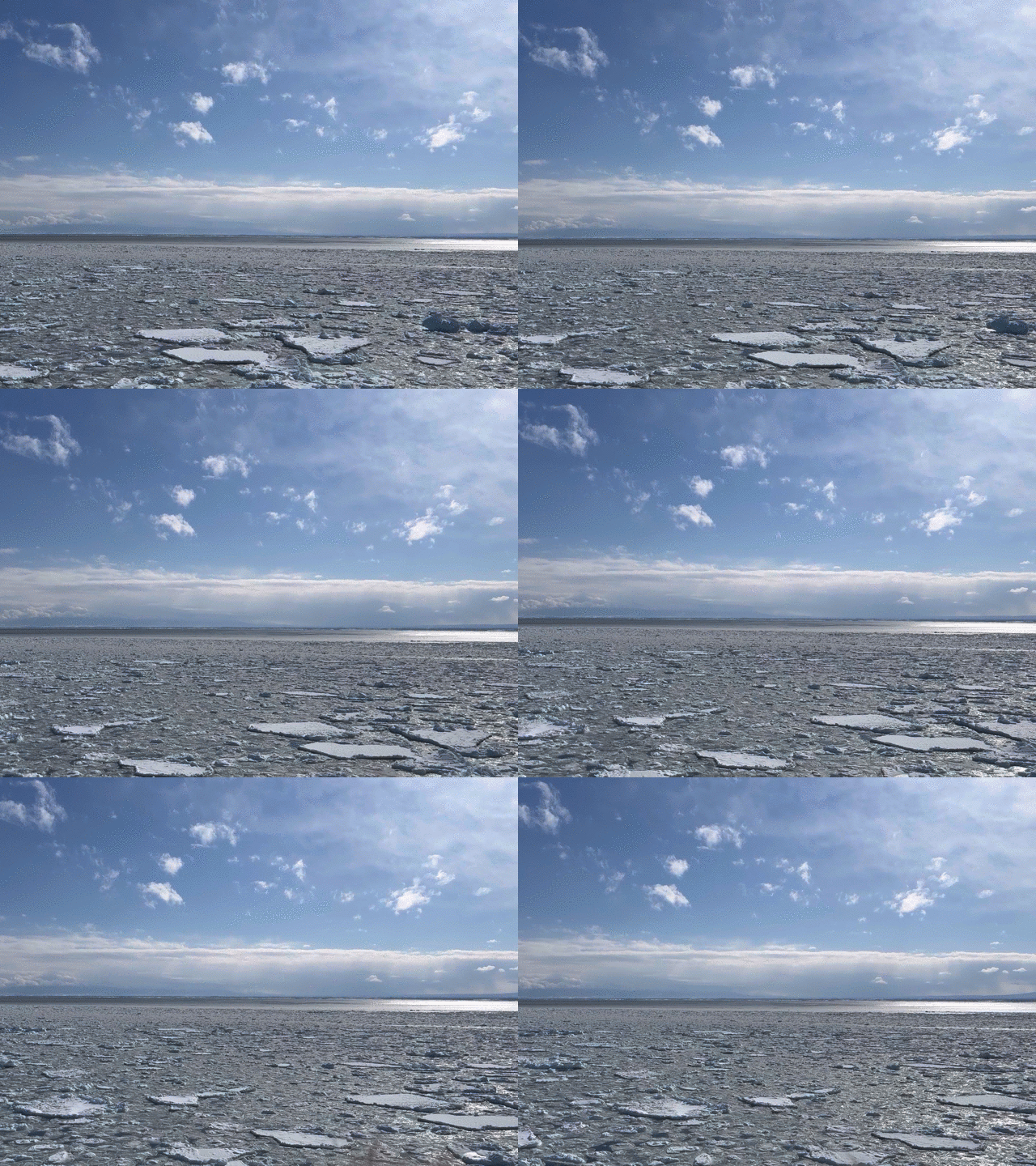
▼ As the ship forges through the icy landscape, the entire area begins to take on a pale light blue hue.
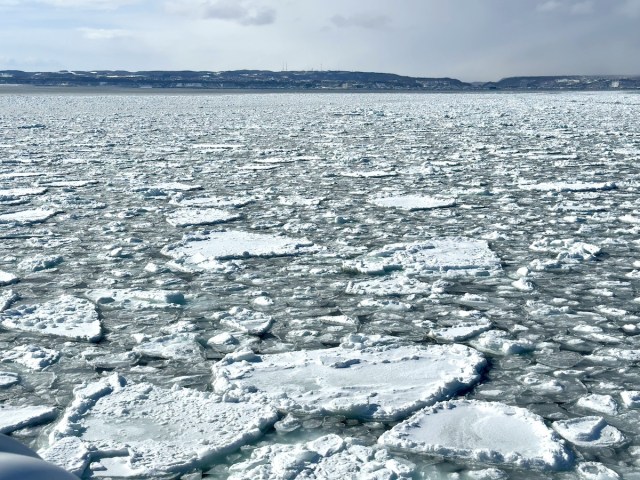
Where there was once empty sea, a flat land-like mass begins to take shape before your eyes. The dreamlike scenery changes from moment to moment, as the sun hides behind the clouds and then shines through them, illuminating the surroundings with a sparkle that’s so divine it almost brings tears to the eyes.
▼ You can also spot seals and white-tailed eagles resting on the ice.
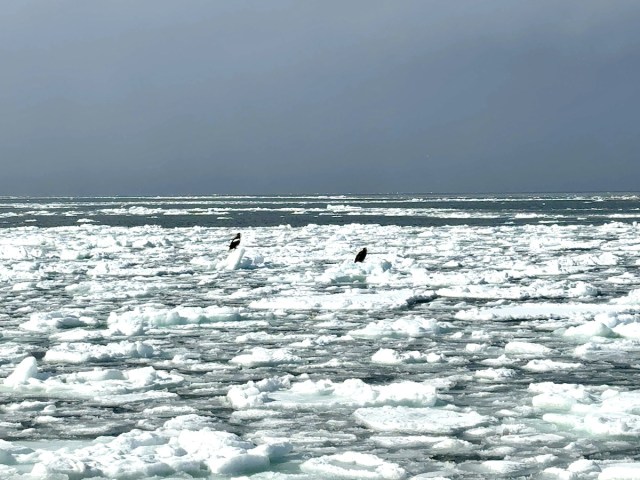
Seeing the ice up close is an awe-inspiring experience – to think that this ice originated in an entirely different country before travelling through the sea to the shores of Japan is a great reminder of the power and beauty of nature, and the responsibility we have as humans to help preserve it.
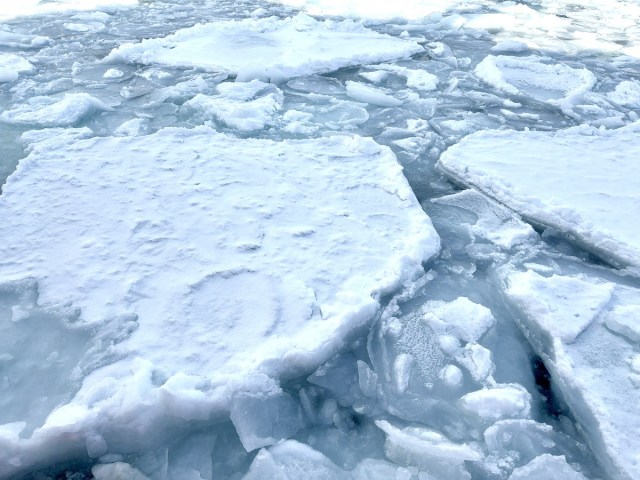
The thicker the ice gets, the larger the crowd grows on deck, but it doesn’t take long for the numbers to dissipate as the sea breeze is bitingly cold. Despite being warmly dressed, you’ll feel the icy chill seep through your layers and into your body, so you won’t want to stand still for long.
▼ One tip to deal with the cold is to shelter in the windbreak created by the funnel of the ship, where you can regain your body heat while enjoying the scenery on both sides.
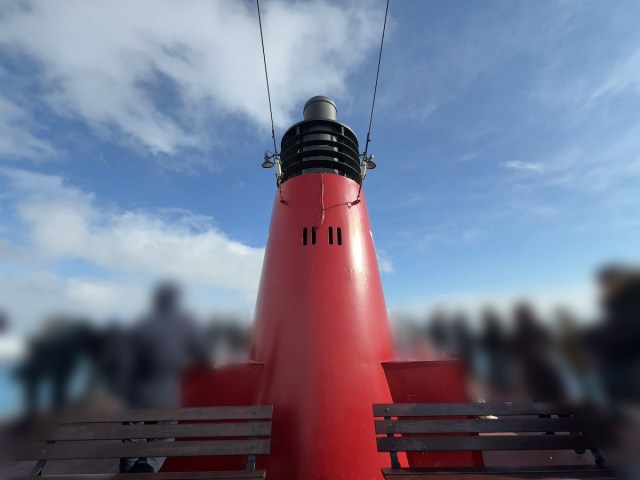
If it gets too cold to bear, you can always return to the warmth of the two-storey ship. The upper floors, with their great views, are understandably popular, but the lower floors are closer to the water so are also impressive in their own way.
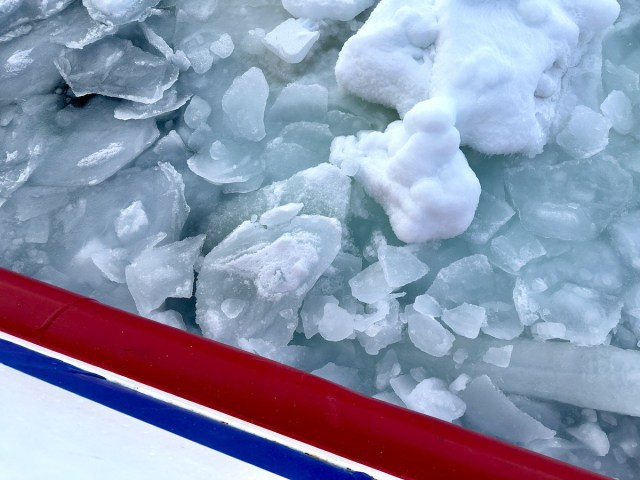
Contrary to what we’d imagined, there was no noise of ice being crushed during our journey. In fact, it was incredibly quiet – all we could hear was the deep rumble of the boat’s engine alongside the guide’s low-volume commentary. The ice was moving slowly, making it feel as if the boat was gliding through blocks of ice, and though we’d erred on the side of caution by taking some motion sickness medicine prior to boarding, it wasn’t necessary as the ride was pleasant and smooth throughout.
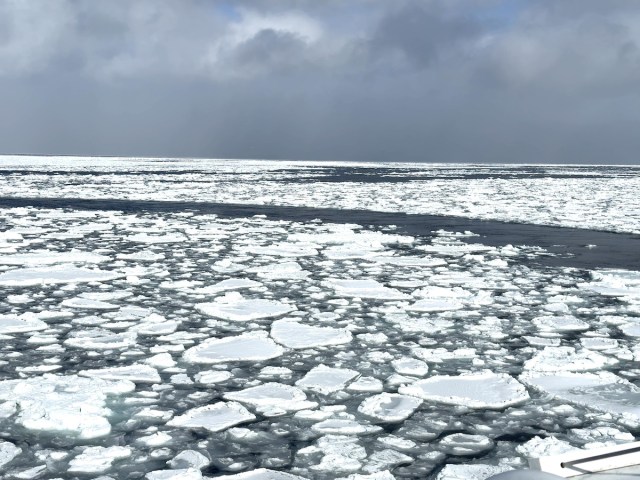
As the ship turned back towards the port, it left a path in the ice. This would soon disappear though, as everything in this environment was stunningly fleeting, with the scenery changing within seconds. It felt like a miraculous experience that was in danger of disappearing at any moment, making us wonder how much longer humans will be able to see this view.
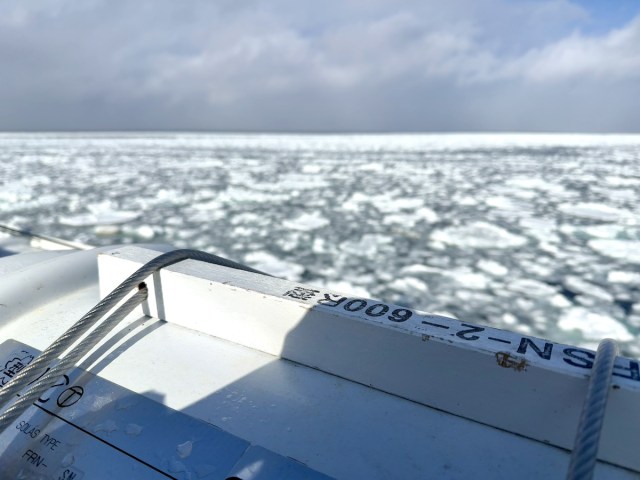
It’s a dramatic natural phenomenon that you really need to see firsthand to truly appreciate, and with the Aurora operating multiple trips daily until the end of March, with real-time reports on the presence of the ice floe, you still have plenty of time to experience it.
Despite having seen glaciers in Alaska, this sight in Japan surpassed that experience as there was something exceedingly beautiful in seeing broken ice in a constant state of ebb and flow. It really makes you sense the power and fragility of nature, and with the area and duration of ice floes along the coast of Hokkaido having nearly halved compared to 100 years ago, we may be one of the last generations to experience it.
Related: Abashiri Drift Ice Sightseeing Icebreaker Aurora
Photos ©SoraNews24
● Want to hear about SoraNews24’s latest articles as soon as they’re published? Follow us on Facebook and Twitter!