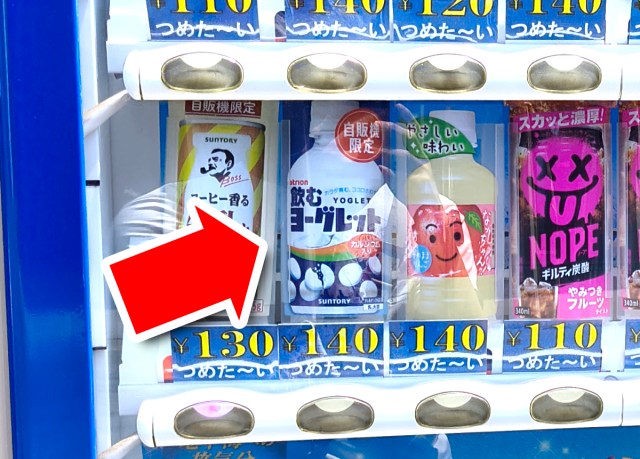

An iconic Japanese candy, now in drinkable form.
Japan is filled with vending machines, and one of the people helping to prop up the industry is our very own reporter Mr Sato. He buys at least one bottle of water from a vending machine every day, so he’s become a bit of a pro when it comes to knowing what type of beverages are inside them. However, when he was out and about visiting Saitama the other day, he came across something that made him stop and do a double-take.
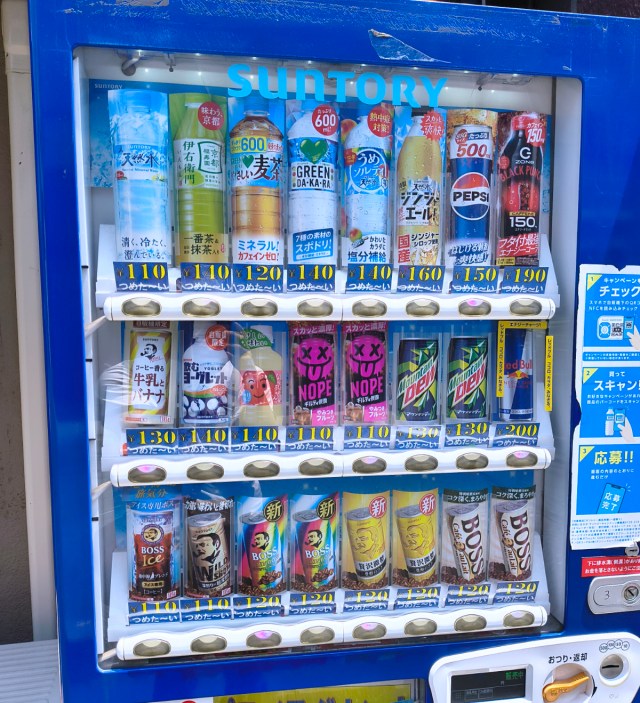

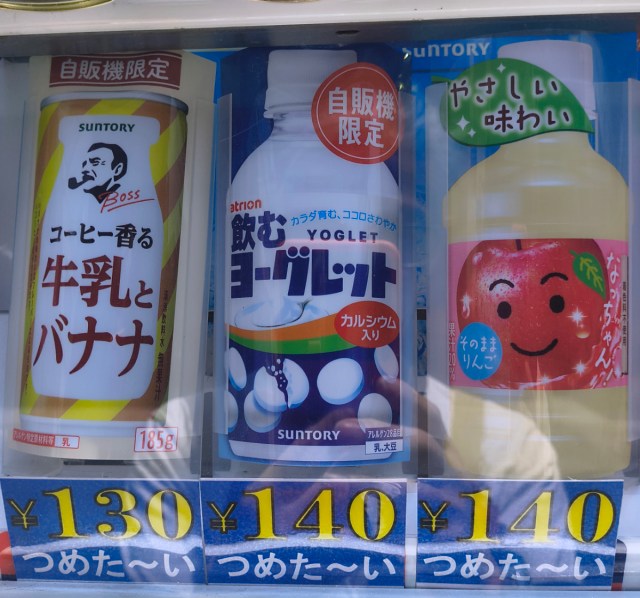
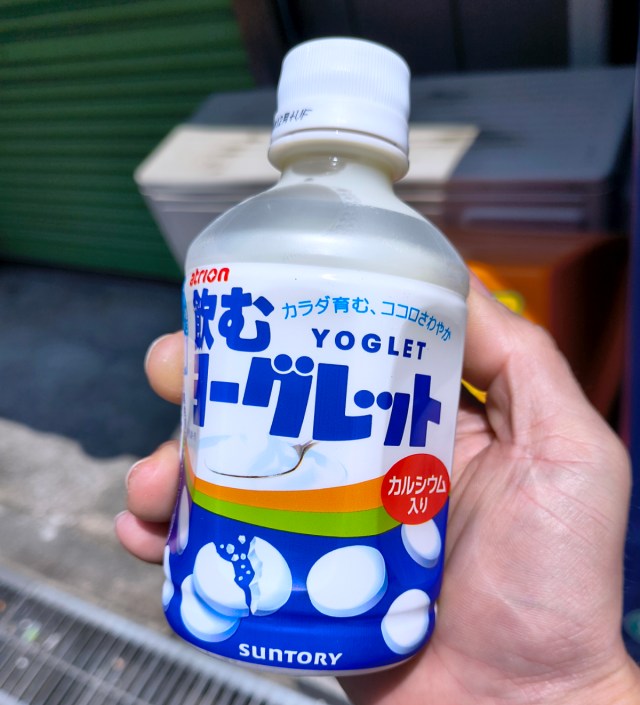
▼ There, inside the machine, was a drink called Drinkable Yoglet.

If you haven’t heard of Yoglet before, then Mr Sato is excited to introduce you to it, as it’s one of Japan’s most unusual, and beloved candies. Released in 1979, these tablet-shaped candies hold a lot of nostalgia for Mr Sato, and many others in Japan, who grew up reaching for them in candy stores.
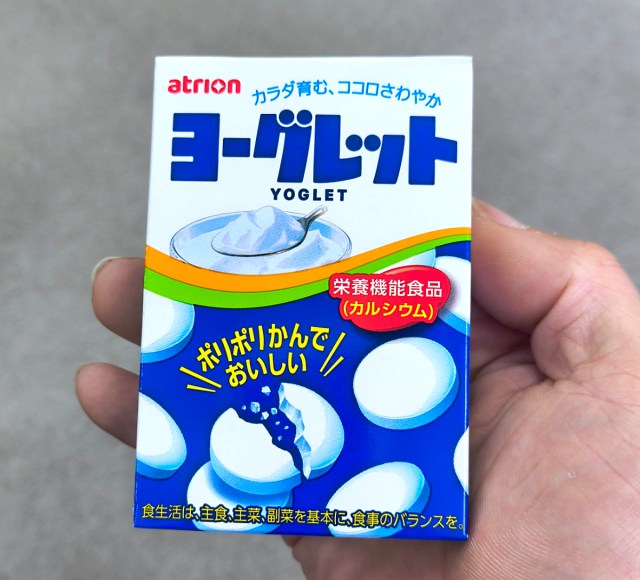

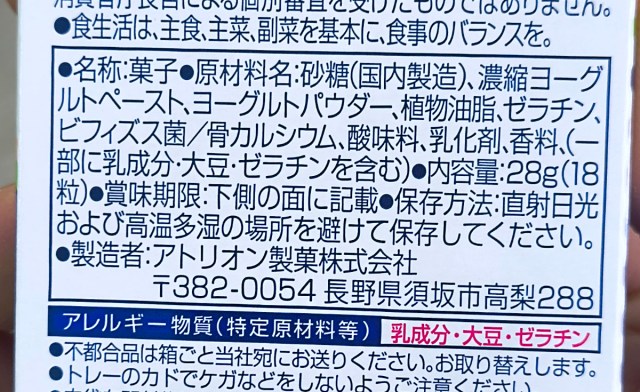
Made by Atrion Confectionery, these small, chalky tablets contain yogurt powder, concentrated yogurt paste, calcium, and bifidobacteria.
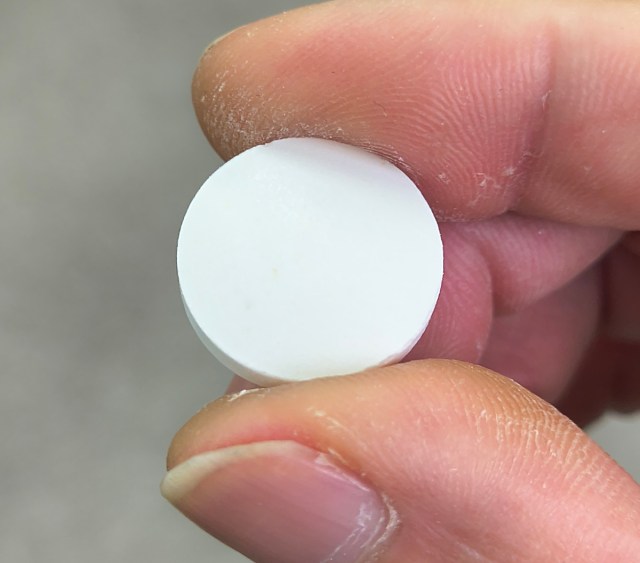

With a sweet-tart yoghurt flavour that’s remained unchanged for decades, these candies start out crunchy before dissolving with a melt-in-the-mouth softness on the tongue. Because of the calcium content, the candy actually works as a nutritional supplement, and the back of the pack recommends eating…
▼ …18 tabs a day!
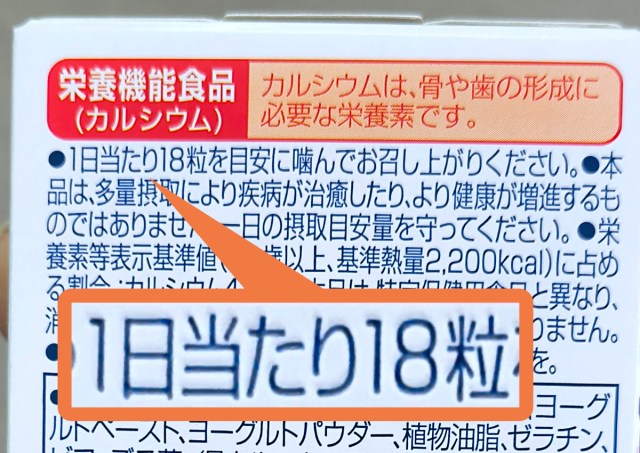

That’s a lot of candies, and with each box containing 18 tabs, keeping up with this regimen would involve buying a new box every day. Still, with the increased popularity of gummies and chewable vitamins in recent years, the humble Yoglet is seeing a resurgence in popularity in Japan, as evidenced by the fact that it’s now available in drinkable form.
▼ The drink is priced at 140 yen (US$0.88), which is about the same price as a pack of Yoglet candies.

Mr Sato was curious to find out what the drink would taste like, and looking at the back of the bottle, he could see a blurb introducing it as a drinkable form of the tablets.
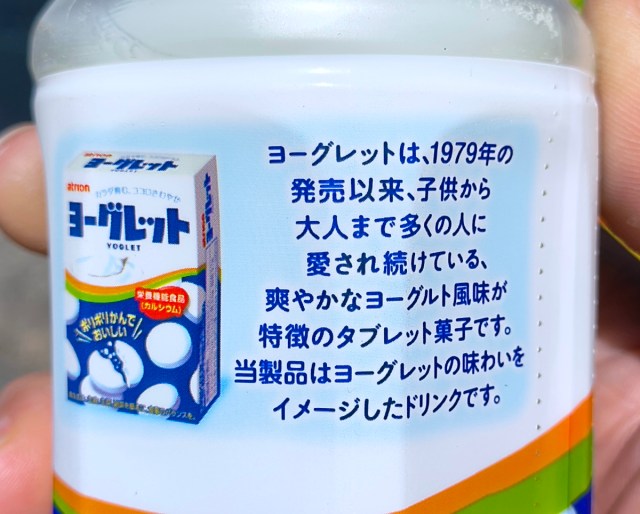

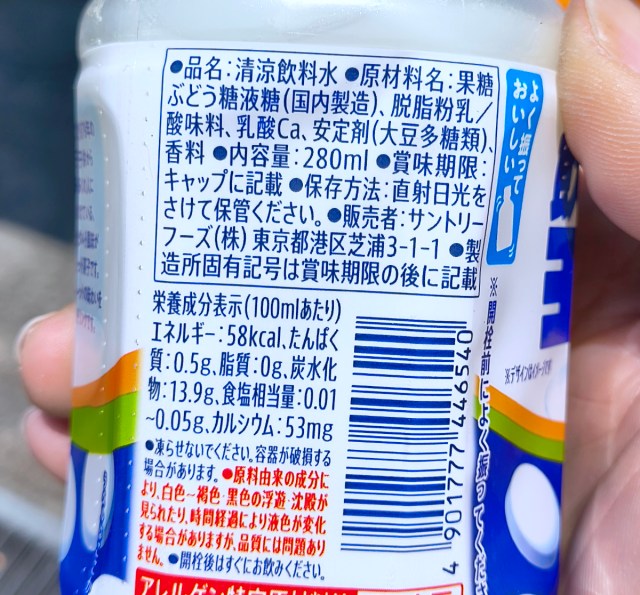
Unlike the tabs, though, the drink doesn’t appear to contain the same ingredients, with components like concentrated yoghurt paste (濃縮ヨーグルトペースト) and yoghurt powder (ヨーグルトパウダー) absent from the list.

The drink still contains 53 milligrams (0.002 ounces) of calcium (the original contains 300 milligrams per box), so the taste is likely replicated by using calcium lactate and acidulants.

▼ So, Mr Sato – does it really taste like Yoglet?
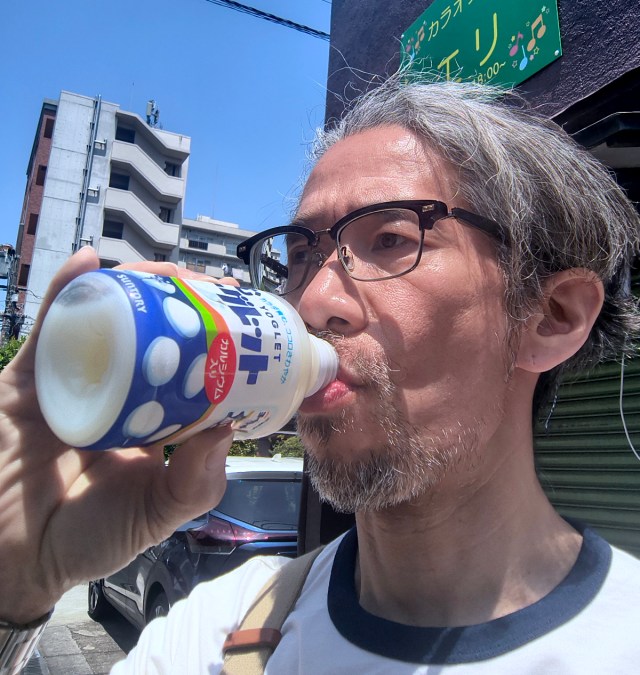

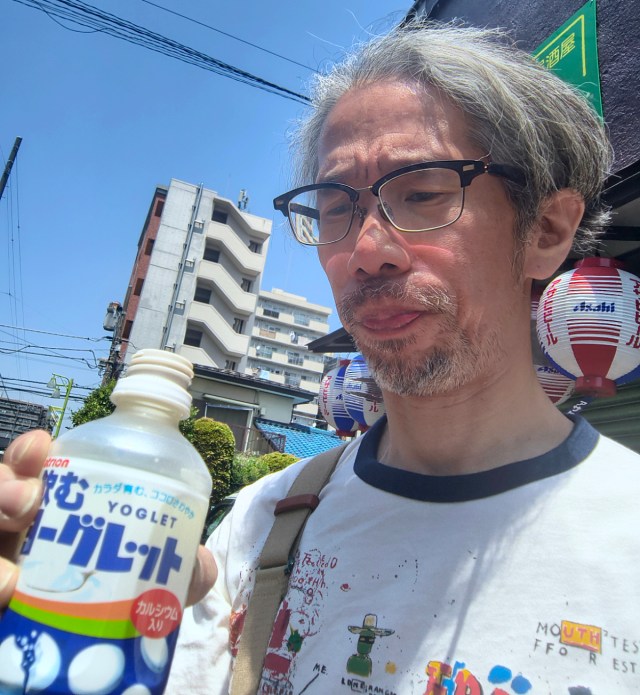
“Hmm, it has a subtle sweetness and tartness, not quite like Yoglet, but not far off either. More than that, though, it’s making me think of a different drink – Yoghurppe.”

Yoghurppe is a lactic acid beverage produced by Minami Nippon Dairy Cooperative in Miyazaki Prefecture. Because the company has a subsidiary (Hidaka Dairy) in Hokkaido, it’s a bit of a regional delicacy, and the only reason Mr Sato, a native of Shimane Prefecture, knows about it is because it was sold at the school shop when he was in high school.
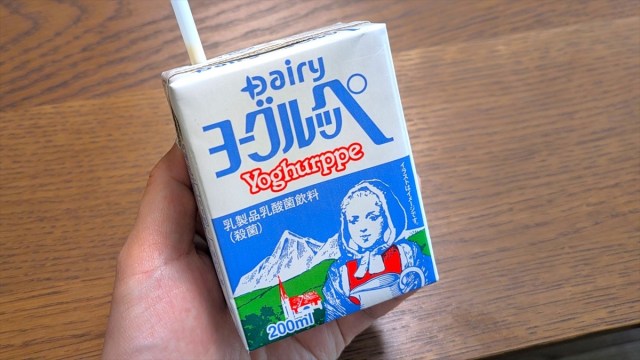

For Mr Sato, the drinkable Yoglet took his taste buds on a sweet trip down memory lane, and though it didn’t take him in the direction of Yoglet in the way he thought it would, the distinct yoghurt tang took him back to his formative years, when Yoghurppe delighted and fascinated him at the same time.
Produced by Suntory, the drinkable Yoglet went on sale in March and is exclusive to Suntory vending machines, so be sure to keep an eye out for it next time you find yourself peering inside a vending machine window.
Photos ©SoraNews24
● Want to hear about SoraNews24’s latest articles as soon as they’re published? Follow us on Facebook and Twitter!
[ Read in Japanese ]