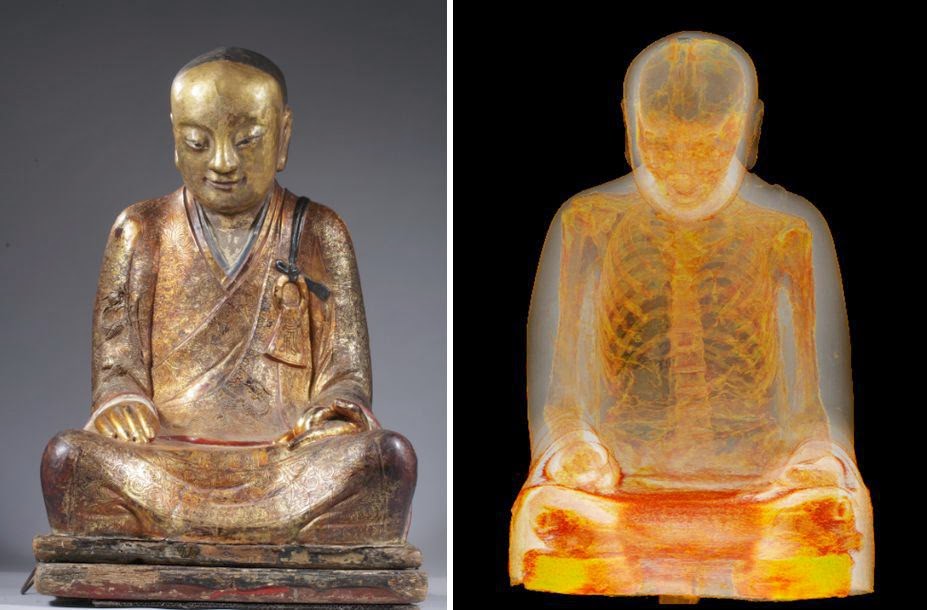
When you think of mummies your mind probably goes straight to Egypt and Halloween. But not all mummies are pyramid-dwelling, bandaged pharaohs. Asia has had its fair share of mummies over the millennia as well, but instead of pharaohs they were Taoist and Buddhist monks, and instead of being mummified post-mortem, they mummified themselves before dying.
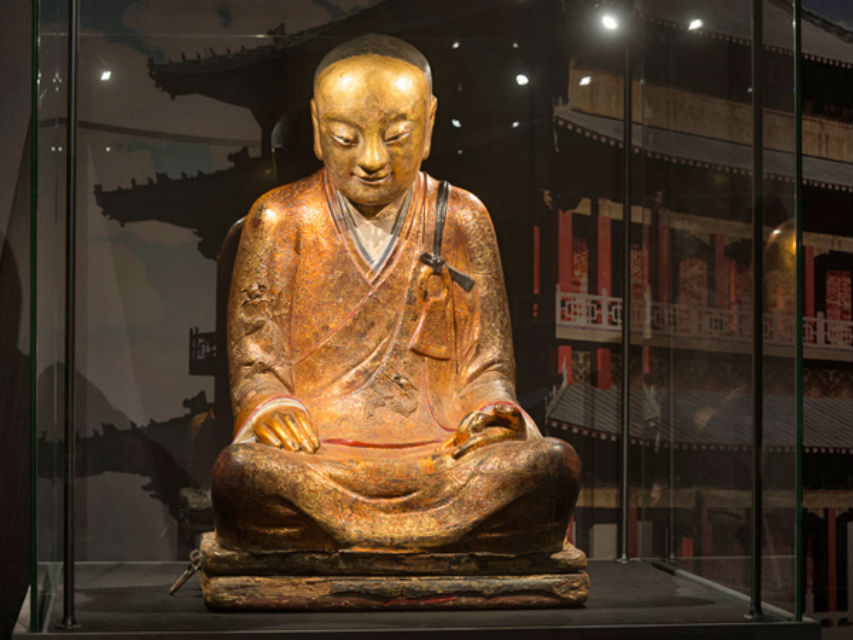
Recently, researchers in the Netherlands have discovered the mummified remains of a Buddhist monk who is thought to be Liuquan, a master of the Chinese Meditation School, within a bronze Buddha statue! Keep in mind, this guy lived around 1100 AD!
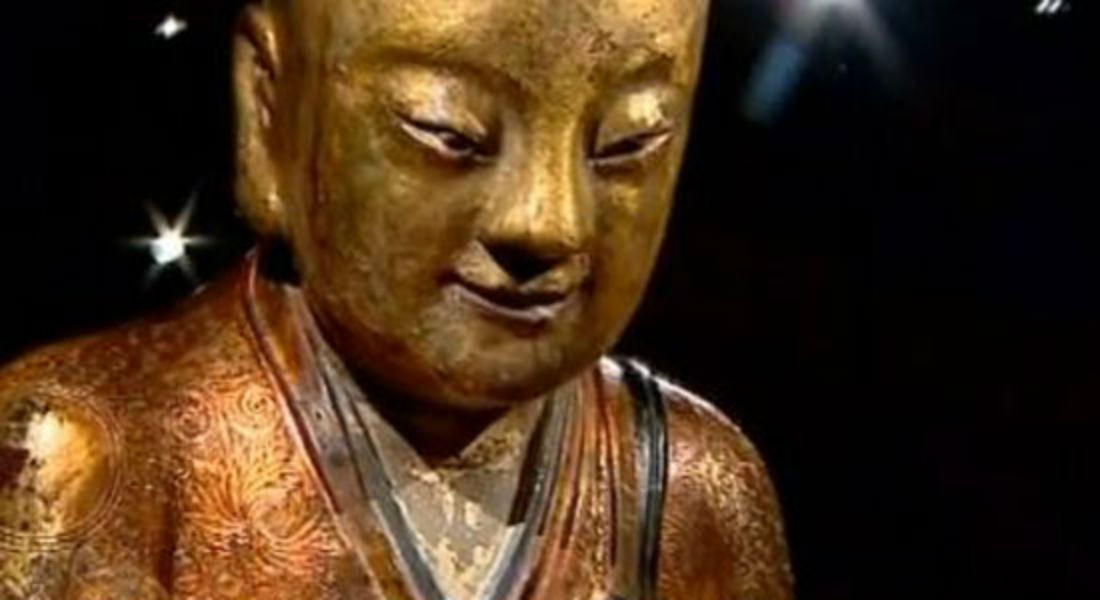
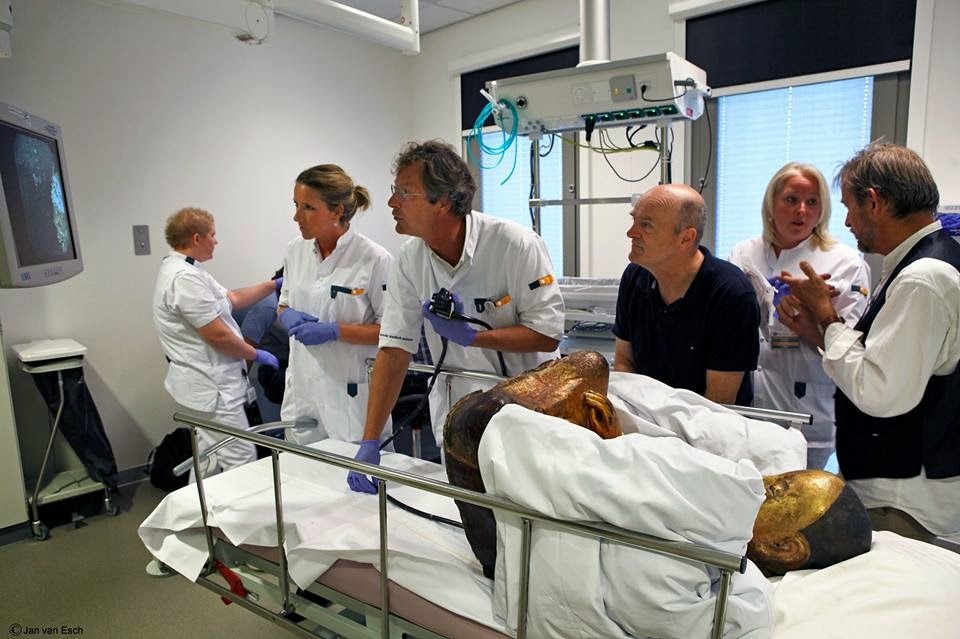
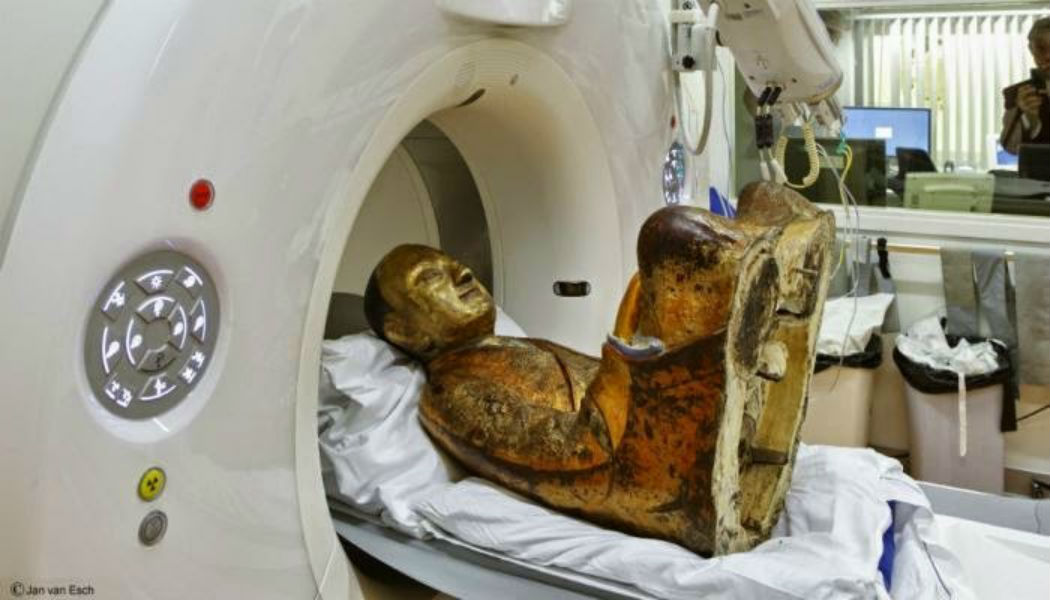
The Buddha statue has been on display at the Drents Museum in Assen, Netherlands. Experts had a hunch that the statue may contain a mummified corpse, so they took it the Meander Medical Center and performed a CT scan and endoscopy to see what was really inside.
▼ At least he doesn’t feel that camera going up his butt!
Their hunch was correct, however, they discovered something even more bizarre than a preserved corpse along the way. While the skeleton was intact, they found that the internal organs had been removed and replaced with sheets of paper covered in ancient Chinese writing. There’s no word yet about what the text says, but chances are they are Buddhist scripture.
▼Buddha meets 21st century science.
As exciting as this is in the scientific and historical worlds, this isn’t actually the first Buddhist mummy that’s been excavated, but it is the first that’s been accessible for Western researchers to study in such depth.
Self-mummification was apparently kind of the thing to do back thousands of years ago, although only the extremely ascetic Buddhists went through with it and not all of them did it successfully. It’s a grueling process, but it was thought to be the path to immortality. Some sects of Buddhism saw it as transcendence rather than death, and others believed that those who went through the process did not die by slipped into a death-like trance, waiting to be called upon to help mankind.
▼ He even looks like he’s holding back a secret.
While this recently discovered mummy was from China, Japan actually has a pretty long history with self-mummifying Buddhists as well, specifically in Yamagata Prefecture. In that area they practiced in the issei gyonin sect of Shingon Buddhism, which combined Buddhist and Daoist practices with local beliefs.
The monks who performed this “final spiritual act,” are known as sokushinbutsu, translated to “Monks who practice austerity to the point of death or mummification.” And austere they had to be, because mummifying yourself is no easy process. A monk seeking immortality through mummification had to prepare their body for a grueling 3,000 days (about eight years)!
Aside from the strict religious regimen, the monk had to change his diet and exercise a lot to decrease his body fat to nearly zero. The diet change required cutting out cereals: so no Cheerios, wheat, soybeans, millet or even rice. In place of these foods, he would stick to the “tree diet” (read: an extreme form of the current fad, The Paleo Diet): nuts, berries, pine needles, tree bark and resin. The diet would get stricter and smaller as the monk’s days became numbered.
▼ Yum! Bark and resin for dinner!
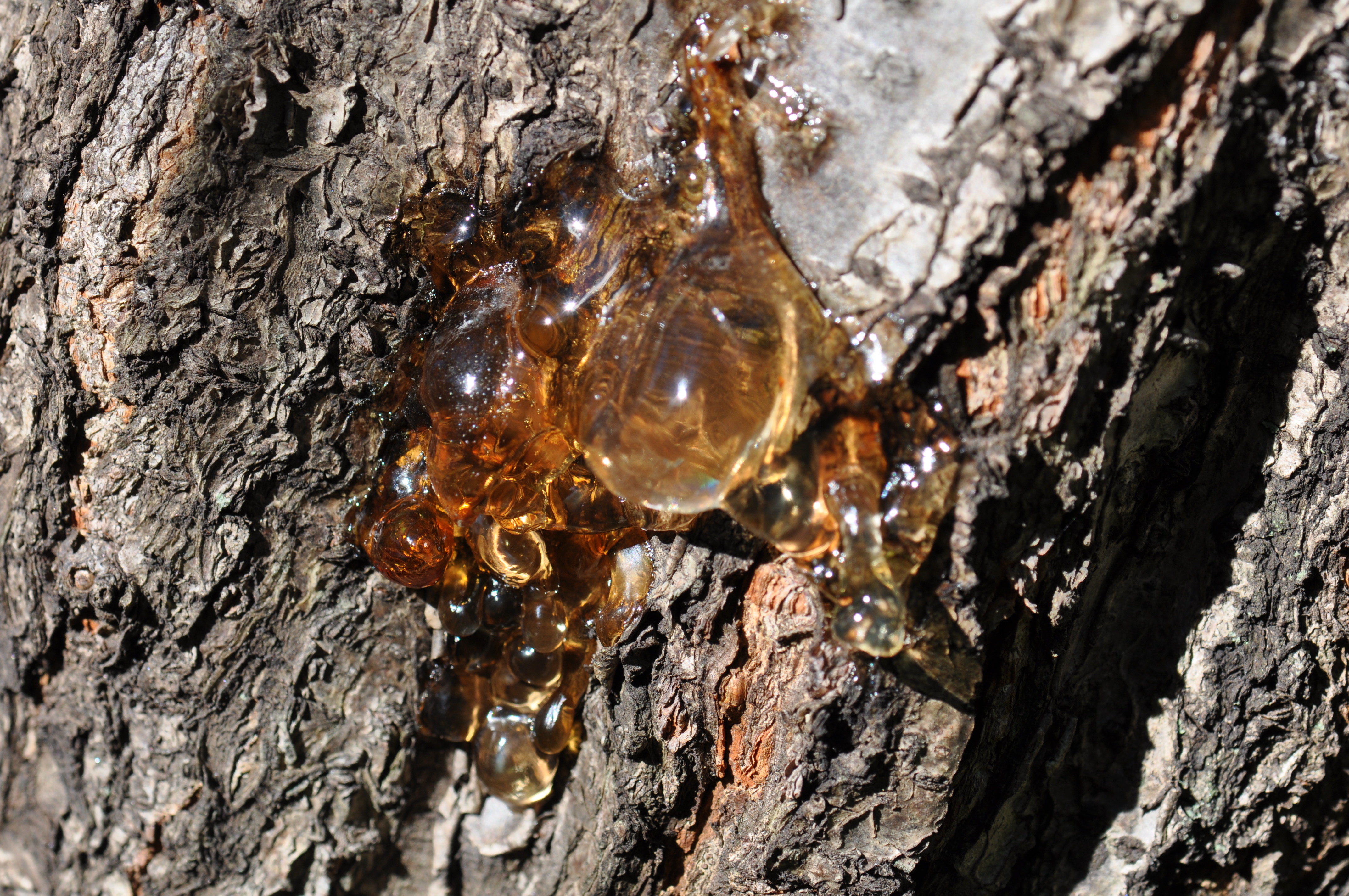
Some of the foods had a mummifying effect on the body, including toxic cycad nuts and a “tea” made from the Toxicodendron vernicifluum tree sap, from which lacquer is made. As you can imagine, lacquer does wonders for the mummifying process, making the body toxic to even decay-causing bacteria and flesh-eating insects. Gross.
So, once the monk has dieted and nearly embalmed himself alive, he sits in a stone chamber and gets completely buried inside, save for an air hole. He sits in the chamber, meditating, chanting and occasionally ringing a bell to let his buddies outside know he’s still living. Once the bell stops ringing, the air hole is closed and the monk remains there for three years. Upon excavation, if the body is successfully preserved, the monk is elevated to the status of Buddha, suitably clothed, placed in a shrine and worshiped as sokushinbutsu.
▼ How many more mummies do you think are hiding in Buddha statues around the world?
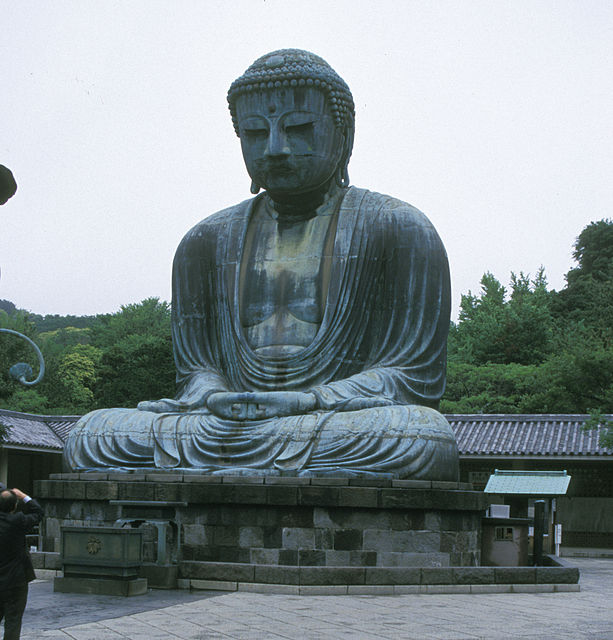
Not all monks are so lucky though; sometimes the bodies show signs of decay. These monks, although honored for their endurance and asceticism, are thought to not have reached their spiritual goal, so they are not given the title of Buddha.
Apparently, the Chinese master Liuquan prepared well and successfully mummified himself. At some point, it seems, someone decided to cover him in bronze and stuff his insides with paper, however, we’re not yet sure why or when this happened.
If you’re in Europe and fancy seeing the statue (with the skeleton still inside), it/he is on loan to the Natural History Museum of Hungary until May of this year.
Disclaimer: RocketNews24 does not recommend trying the “tree diet” or self-mummification, even if you do quite like the idea of being encased in bronze after you’ve bitten the dust.
Sources: Plginrt Project, io9 (1, 2), Living Buddhas: The Self-Mummified Monks of Yamagata, Japan, Toronto Sun
Images: Plginrt Project, Wikimedia Commons (Dietmar Down Under)