
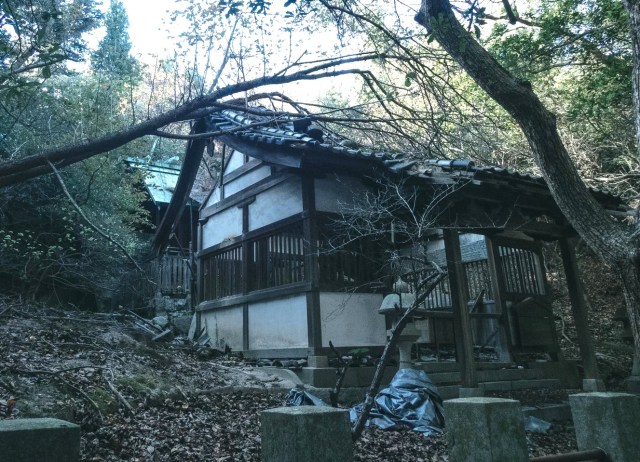
Number of hochi akiya continues to rise.
So let’s start things off with a quick little Japanese vocabulary lesson about the word akiya. A combination of aki, (“empty”) and ya (“house”) akiya refers to a home with no regular resident.
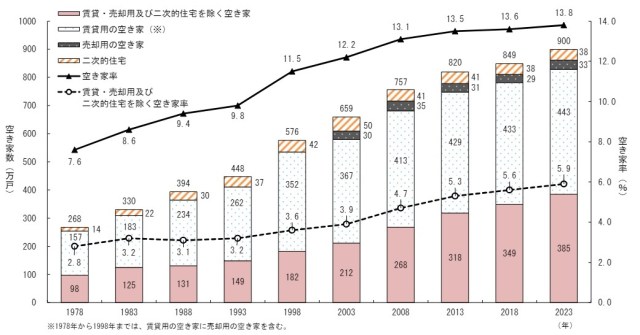
Despite having some very high population densities in its biggest cities, Japan also has a lot of akiya. This week, the Ministry of Internal Affairs and Communications released the results of its Housing and Land Statistical Survey, which it conducts every five years, and determined that there are currently about 9 million akiya in Japan. Those nine million akiya represent an increase of roughly 510,000 since the last survey five years ago, and are double the amount from 30 years ago.
The more startling statistic from the report, though, is that 3.85 million of those akiya are hochi akiya, or “abandoned homes,” which account for 5.9 percent of housing units in Japan. While akiya can include things like vacation houses which don’t have anyone staying there for most of the year, or completed homes that are on the market but haven’t been sold yet, hochi akiya are specifically homes that have no resident and aren’t available for sale or any other use. The number of abandoned homes in Japan increased by 36 million since the last survey in 2018, and has more than doubled since 1998.
● Number of abandoned homes in Japan
1978: 980,000
1983: 1,250,000
1988: 1,310,000
1993: 1,490,000
1998: 1,820,000
2003: 2,120,000
2008: 2,680,000
2013: 3,180,000
2018: 3,490,000
2023: 3,850,000
▼ Graph showing number of akiya in Japan, composed of abandoned houses (pink), homes for rent (white with dots), homes for sale (black with dots), and secondary-use/vacation homes (striped). For each category, the number of homes, in units of 10,000, is written in its section of the by-year bar
So how did this situation come about? The most obvious answer is Japan’s aging population and declining birthrate. Fewer people mean less total demand for housing, and smaller families mean less demand for homes from generations back that were sized for parents, multiple kids, and maybe even grandparents living together under the same roof.
The last few generations in Japan have also seen a continuing migration of the population away from rural areas and towards large cities. The prefectures with the largest percentages of abandoned homes, all over 10 percent, are all mostly rural, and it’s likely that many members of the last few generations born there moved away to pursue educational and professional opportunities not available in their hometowns. For example, three of the top eight are prefectures on Shikoku, the only one of Japan’s four main islands without a single Shinkansen station.
Highest percentage of abandoned homes/hochi akiya (compared to total housing units)
● Kagoshima: 13.6 percent
● Kochi: 12.9 percent
● Tokushima: 12.2 percent
● Ehime: 12.2 percent
● Wakayama: 12 percent
● Shimane: 11.4 percent
● Yamaguchi: 11.1 percent
● Akita: 10 percent
Meanwhile, Tokyo has the lowest percentage of abandoned homes, 2.6 percent. Other prefectures with major urban population centers are also low on the hochi akiya ranking, such as Kanagawa (including Yokohama) at 3.2 percent), Aichi (Nagoya) at 4.3 percent, and Osaka, Fukuoka, and Miyagi (Sendai) all at 4.6 percent. Tokyo’s non-Kanagawa neighbors, Saitama and Chiba, also had low abandoned house figures, at 3.9 and 5 percent respectively.
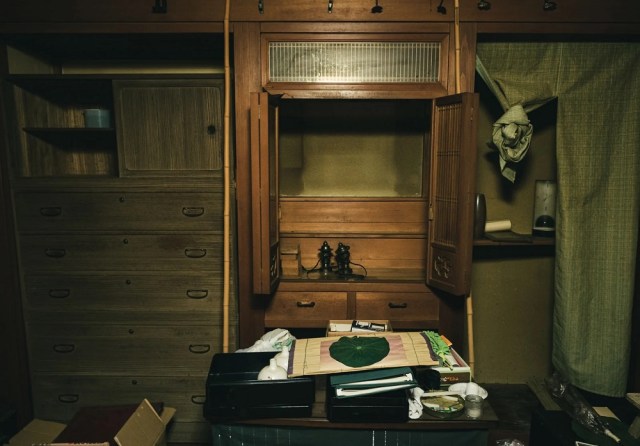
Given these migration patterns, it’s not hard to envision scenarios where someone born in the countryside moves to the big city for school or work and settles down there. Then, when a parent or elderly relative back home passes away, or when the relative themself moves into a newer home now that the kids are grown up and they don’t need as much space, the house sits idle. Maybe the kid who moved away wants to move back to the countryside once they quit the rat race and retire, but that daydream never pans out. Maybe the difficulties of coordinating the sale of an inherited home from halfway across the country means they keep putting the process off until years and years go by, maybe so many that it gets hard to determine who actually legally owns the home anymore. The result? Another abandoned home to add to the total.
With the number of abandoned homes rising, some towns are becoming concerned about potential safety risks such as collapsing during earthquakes, typhoons, or landslides. There isn’t a quick and simple solution to the issue, however. Not only are may abandoned homes in locations where residential demand is low, years of being unoccupied and unmaintained has, according to the report, left an estimated 20 percent of them damaged or decayed to an extent that they’re not for for human habitation without significant restoration work (having recently purchased a hochi akiya of our own here at SoraNews24, we know first-hand how tough that can be), so it’s likely the number of abandoned houses in Japan is going to continue to increase for at least a while.
Source: Ministry of Internal Affairs and Communications
Top image: Pakutaso
Insert images: Ministry of Internal Affairs and Communications, Pakutaso
● Want to hear about SoraNews24’s latest articles as soon as they’re published? Follow us on Facebook and Twitter!
 Abandoned Japanese houses transformed into stunning modern homes
 Kyoto to introduce “empty home tax” for vacation houses and unused homes
 Buying a house in Tokyo? This town is giving away brand new homes to applicants in Japan
 Japan’s foreign population reaches historic milestone following largest-ever single-year surge
 Japan reports fewer children and more elderly people for 35th year in a row
 Solo travel in Japan: Hidden beer garden in Tokyo is a haven for single visitors
 One Piece Day 2026 brings new art, music, and new cast announcements
 Studio Ghibli unveils new anime calendars and diary planners for 2027
 Flock to Tomarigi, the viral app that lets you perch in over 1,000 spots throughout Japan
 Tamagotchi evolves into a ring for its 30th anniversary, preorders now open
 Family Mart releases Famima convenience store products nationwide, but which ones are worth buying?
 Japan’s birth rate rose for the first half of the year for the first time in over a decade
 Family Mart releases new Human Made Cup Noodle in Japan, with freebies for Nigo fans
 Hobonichi unveils new 2027 planners, diaries and stationery with One Piece, Suica Penguin, Hello Kitty and a must-buy Mini Techo
 7-Eleven Japan goes viral for chilled soba that’s “too salty to eat”
 Japan’s final Penguin Suica train cards have already shipped, and when they’re gone, they’re gone
 Japan approves foreign resident visa renewal fee increases of up to 967 percent, starts soon
 Japan tripled its departure tax to fund tourism but is using the money on cherry blossoms and bears
 Farewell Final Ceremony announced for Tokyo’s life-size Gundam statue, will stream live
 Nike x One Piece collection brings Devil Fruits to sneakers and streetwear in Japan
 Police in Japan looking for who’s responsible for dumping 80 loaves of bread on side of road [Video]
 12-year-old British girl who went missing in Tokyo found safe after visiting anime sites around Yokohama
 7-year-old boy left behind on Mt. Fuji by his own dad
 Air-conditioned dress shirts arrive in Japan to save working professionals from sweltering heat
 Sushi Bus: Japan’s first conveyor-belt bus lets you eat sushi while sightseeing around Tokyo
 Pokémon Center Online designates first Pokémon items that will require Japanese ID card to buy
 Japanese toilet aims to attract foreign tourists but not everybody is happy about it
 New Japanese vending machine at Shinkansen station sells cups of ice on platform
 Study finds hundreds of people in Indonesia legally named after Naruto, Inuyasha, other anime stars
 Japan announces sudden 400-percent increase in visa fees for foreigners entering the country
 Japan’s human washing machines will go on sale to general public, demos to be held in Tokyo
 Studio Ghibli has a new anime out, and there’s only one place in the world where you can see it
 Starbucks Japan releases new drinkware and goods for Valentine’s Day
 Starbucks Japan releases new sakura goods and drinkware for cherry blossom season 2026
 Japan’s newest Shinkansen has no seats…or passengers [Video]
 Tokyo subway installing new ticket gates that don’t accept payment through Suica or other IC cards
 Japanese ninja certification exam attracts 131 candidates from Japan and abroad
 Salomon releases Japan-exclusive Mt. Fuji hiking gear that doubles as an amazing souvenir
 Put sesame oil in your coffee? Japanese maker says it’s the best way to start your day【Taste test】
 Home-hunting in Japan changes as people eye new communities in wake of COVID-19
 Nearly half of Japan plans to spend summer vacation at home
 Non-Japanese babies make up more than 3 percent of births in Japan, a record high
 One in four young people in Japan’s biggest cities thinking of moving to the countryside【Survey】
 People in Japan are eating a lot less fish now than they used to, but why?
 The number of elderly people in Japan this year has yet again smashed multiple records
 Government study finds only 3,065 homeless people in Japan
 Japan’s Japanese population dropping in every part of the country, foreign population rising
 Number of foreigners living in Japan has grown 50 percent in four years, hits historic high
 Number of foreigners working in Japan hits all-time high, 25 percent come from same country
 How is Japan coping with telecommuting? Survey asks for the good and bad of working from home
 Which country’s foreign tourists spend the most money per-person in Japan? Hint: Not the U..S. or China
 Japan sees huge growth in jobs in the “cleaning up the homes of old people who die alone” field
 “Why Japan has so many vending machines” video makes some good points, but misses key factors
 What’s the best way to close the gender gap in Japan? Japanese women weigh in