Japan is pissed off about the off-piste skiing.
Hokkaido, Japan’s northernmost, coldest, and snowiest prefecture, boasts world-class skiing and snowboarding venues. That’s not just an expression, either, as Hokkaido really does draw snowsport enthusiasts from around the world, especially with the current Japan travel boom among international tourists, and the weak yen helping to fuel it, showing no signs of changing anytime soon.
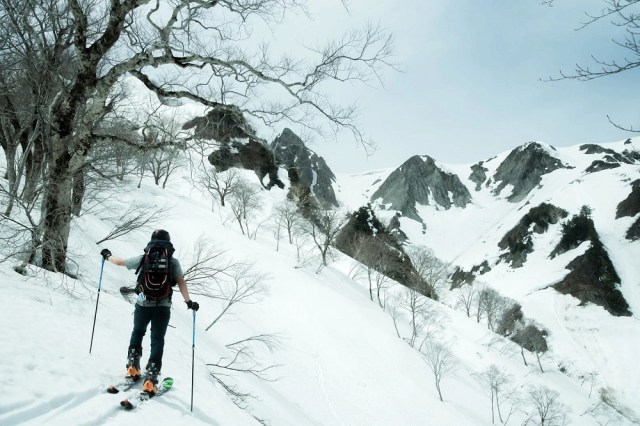
Unfortunately, it’s not just Hokkaido’s managed ski slopes that are proving popular with inbound visitors. Many of them have given into the temptation to ski outside of designated boundaries, but with their curiosity outstripping their skills, have then gotten lost, injured, stranded, or otherwise in need of help to get home, with more than 80 percent of the skiers/snowboarders requiring rescue in Hokkaido this season being foreigners.
▼ A video of the Hokkaido Prefectural Police conducting a helicopter rescue of a lost college student from overseas.
Between the end of last November and February 2, a total of 58 backcountry/off-piste skiers/snowboarders have needed to be rescued, with 48 of them, 82.8 percent of the total, being foreign nationals, according to the Hokkaido Prefectural Police.
This statistic hasn’t been sitting well with the Japanese public, for multiple reasons. First, it comes after a string of high-profile instances last year in which foreign hikers needed to be rescued from Mt. Fuji (with one man needing emergency help twice in the same week) during the period when the trails are officially closed to hikers. There’s also a perception that restaurants, hotels, and other facilities in and around ski areas have ratcheted up their prices as they cater to foreign tourists who’re flush with cash, leaving locals who don’t have a favorable currency exchange rate to leverage out in the proverbial, and meteorological, cold. Seeing taxpayer money used to rescue people who ignored the rule would be bad enough, but when the people being rescued are also seen as contributing to rapidly rising consumer prices, it’s a double dose of frustration.
What exactly are the economics of running an off-course rescue operation? It depends. The police and fire department are, fundamentally, civil services for which there’s no itemized cost. You don’t have to pay a fee to have the police look for someone who stole your wallet, for example, and the fire department doesn’t send you a bill if a fire breaks out in your apartment building and they have to put it out. Because of that, off-piste skiers aren’t ordinarily charged if the police or fire department are mobilized; they get helped to get out of a place they weren’t supposed to be for free.
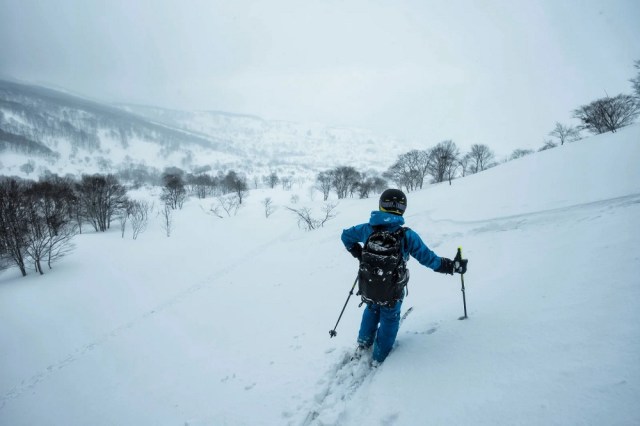
However, it’s not always the police and fire department who’re running the rescue operation. In some cases, such as at a ski resort that leases land within a national park for business operations, the resort may employ a civilian ski patrol to look for lost skiers, and their services aren’t always going to be cheap. At one resort in the Hokkaido town of Furano, rescue charges include 20,000 yen (approximately US$130) per man hour and an additional 50,000 yen per hour that a snowmobile is required. A recent late-night rescue, which took three hours to complete, ended with a bill for the lost skier of more than one million yen (US$6,450). Some cities also have a hybrid system, in which the local authorities coordinate with civilian rescue organizations, and in those cases too, the non-governmental organizations will need to be paid.
But again, if it’s just the police and fire department performing the rescue, those costs generally have to be covered by the local government, creating budgetary pressure to cut funding for other services or to increase local residents’ taxes. So it’s no shock to see that online commenters in Japan are pretty pissed-off about the off-piste foreign skiers.
“Total waste of tax money. They should charge the person who needed rescuing.”
“The money that everyone worked so hard to earn is being used to save inconsiderate foreigners.”
“There should be an extra tax for foreigners.”
“They should require anyone skiing in the area to have insurance, and fine them if they get lost and it turns out they don’t.”
“Charge foreigners who need rescuing 100 million yen, and detain them until they pay the amount in full.”
“I see foreigners on social media skiing off-course in Japan like it’s a matter of course, and then when they get confronted about it they just laugh and say ‘Sorry, I can’t understand what you’re saying.’”
“It’s one thing to not charge Japanese people who are paying into the tax system for years and years for rescues, but foreigners should have to pay for their costs.”
“Send the bill to their country’s embassy.”
It’s worth reiterating that the reactions above were specifically to instances of foreigners skiing off-course. The idea that skiing always comes with certain inherent risks, and that people might need emergency help, isn’t what’s got people riled up. They’re upset about the deliberate choice to ignore rules put in place to mitigate those risks, and the resulting taxpayer costs at a time when much of Japan’s local population is having to tighten their belts as prices rise much more quickly than wages.
Following last year’s Mt. Fuji rescues, there have been increasing calls to have flagrant violators of safety precautions foot the bill for their own rescues, and if trends continue, it won’t be a shock if municipalities in Hokkaido start considering ways to do so as well, especially as ill-mannered tourists continue to disrupt local living standards.
Source: Tele Asa News, YouTube/ANNnewsCH
Top image: Pakutaso
Insert image: Pakutaso
● Want to hear about SoraNews24’s latest articles as soon as they’re published? Follow us on Facebook and Twitter!