
Just when Japan thought the jibetarian were gone for good…
With Halloween celebrations coming up, Tokyo’s Shibuya Ward is running a public awareness campaign with multilingual reminders that public drinking and littering are prohibited. Shibuya isn’t the only part of Tokyo that’s been experiencing cultural friction between foreign tourists and the Japanese resident population, though, and there’s another issue that’s attracting attention in the Ginza neighborhood.
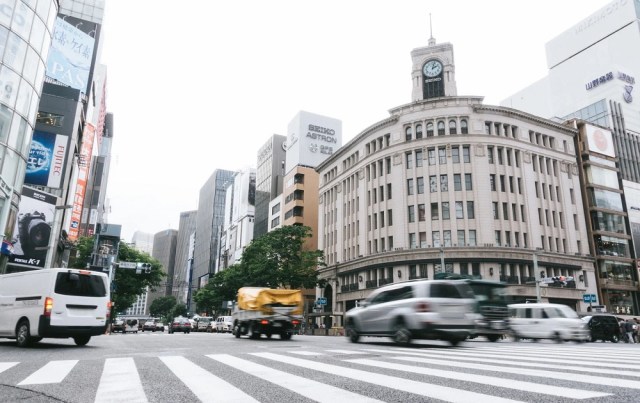
Ginza is one of Tokyo’s fanciest neighborhoods, with its primary boulevard lined with flagship stores of brand-name designers plus more high-end boutiques found down the district’s side streets. As demonstrated in the video below, though, it’s not just high-end fashion that people are seeing in Ginza these days, but an increasing number of foreign tourists sitting on the sidewalk.
This sort of thing is generally considered slovenly, inconsiderate behavior in Japan, especially in places like Ginza that want to present a classy atmosphere. When asked why they were sitting on the sidewalk, curb, or planters, one of the people in the video, a man from Malaysia, said his feet were hurting from having been walking around for an hour. Another traveler, a woman from Kosovo, says that she’d assumed that sitting on the curb was OK because the street was currently closed to vehicle traffic (something Ginza does periodically on weekends and holidays), though she then reconsiders and admits that it would be better for her to follow the local customs and not sit there.
As in many parts of Tokyo, there aren’t many streetside benches in Ginza, and while the neighborhood does have a large number of cafes and coffeehouses, sometimes all the seats are taken, and even if there is space, their prices aren’t particularly cheap. That said, it’s extremely unusual to see Japanese people sitting on the street in Ginza, so the locals have demonstrated that is it possible to visit the neighborhood without plopping yourself down on the pavement.
It’s worth noting that there was a social phenomenon of people sitting or squatting on sidewalks in Japan during the late 1990s, who were called jibetarian (a pun on jibeta/”ground” and bejitarian, the Japanese pronunciation of “vegetarian”). However, the practice was primarily associated with rebellious teens, not the sort of demographic that hangs out in Ginza, and by the early 2000s even Japanese culture sort of collectively decided that sitting on the ground didn’t really make anyone look cool or tough anyway. Jibetarian have largely disappeared in the years since, so seeing foreign tourists sitting on the sidewalks of Ginza, sometimes eating meals while doing so, hasn’t been something Japanese locals are very happy about, as shown in comments for the above video such as:
“It’ll only be a few years until Ginza starts looking like [the shady parts of] Shinjuku.”
“Sitting on the ground like that gets your pants dirty, and then that grime gets transferred to seats on trains and in restaurants when they sit in them later.”
“Ginza has gotten really touristy.”
“There are cafes and other facilities where they could sit down, but I guess they don’t want to spend the money.”
“They could install benches, but then people would just lie down on them to nap and leave trash tucked into the frame.”
“A while back there was talk about those photos of foreign tourists sitting on the ground at Disneyland while they ate their lunches.”
“Instead of asking themselves ‘Is it OK to sit here?’ they’re just asking ‘Is it possible to sit here?’, and if the answer is yes, they do it.”
There were also more than a few comments on the video lamenting the lack of benches in Tokyo, so it’s not like the locals are completely unsympathetic. Again, though, Ginza draws lots of Japanese domestic visitors too, and they pretty much all manage to keep from needing to sit on the ground.
Under current ordinances, sitting on the sidewalk in Ginza isn’t illegal, provided the person doing the sitting isn’t blocking the entrance to a building or otherwise unsafely impeding the flow of traffic. That said, Japan’s baseline attitude about how to behave in public is built less on questions of technical legality and more on being respectful to others, especially the members of the local community, so if you want to be a gracious traveler, it’s probably best to listen to your feet and go looking for an acceptable place to sit before you reach the limit of your stamina.
Source: Teleasa News via Yahoo! Japan News via Hachima Kiko, YouTube/ANNnewsCH
Top image: Pakutaso
● Want to hear about SoraNews24’s latest articles as soon as they’re published? Follow us on Facebook and Twitter!