
Questions are being raised over whether money from foreign tourists is being used as intended.
On 1 July, Japan increased its departure tax for everyone flying out of the country, raising it from 1,000 yen (US$6.28) to 3,000 yen per departure, with the cost included in the price of the airfare. While the threefold increase applies to both foreign tourists and Japanese citizens, the government acknowledged that most of the additional revenue would be collected from overseas visitors, estimating they would contribute around 646 billion yen (US$4.05 billion) this year, compared to roughly 164 billion yen from Japanese citizens.
To soften the blow, the government told the public that the extra revenue would go back into travel-related initiatives, like lowering passport fees for Japanese citizens, and funding programs to combat overtourism, including the promotion of lesser-known parts of Japan. However, it was revealed this week that the 2026 fiscal budget, which was approved in April before the higher departure tax came into effect, also allocated departure tax revenue to cover the costs of bear control and pest prevention for cherry blossom trees – measures that are largely aimed at protecting the lives and environment of people living in Japan rather than improving the experience of foreign visitors.
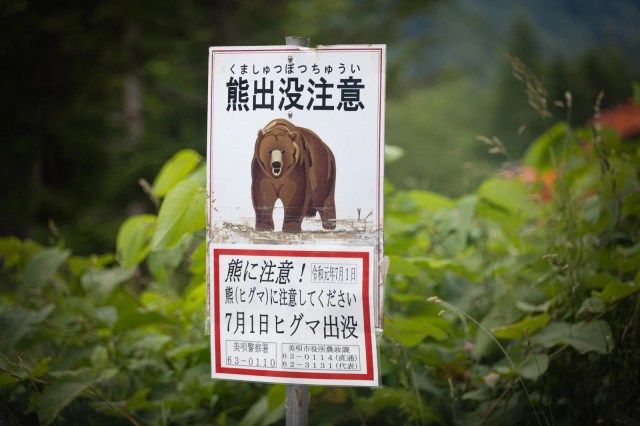
According to Japanese media reports, the government allocated 6.2 billion yen for bear-related countermeasures in the 2026 fiscal year, with 6 billion yen of that amount coming from departure tax revenue. A newly created 600 million-yen budget for pest control of sakura trees is reportedly being funded entirely by the departure tax.
The Environment Ministry has justified the spending, saying that foreign visitors could benefit from countermeasures against bears, and many people from abroad come to Japan specifically to see the cherry blossoms.
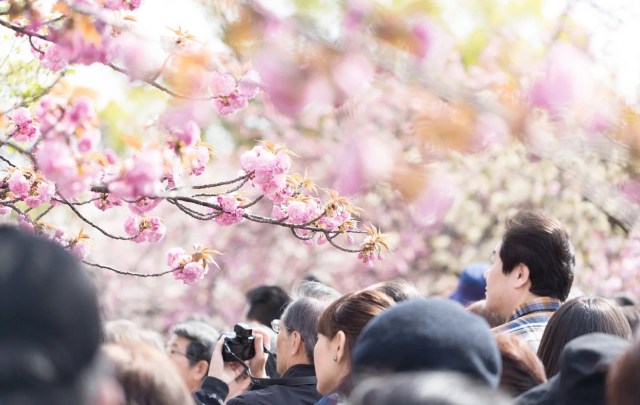
▼ Foreign tourists aren’t the only people who enjoy the blossoms, though, as locals flock to see them too.
Bear encounters have become an increasingly serious issue in Japan, with both local residents and foreign tourists sustaining injuries from the animals, including at tourist spots. However, after news of the allocations came to light this week, questions have been raised over whether the heavy funding of bear and sakura pest control aligns with the original intention of the increased tax, which was introduced to fund tourism-related initiatives.
It’s also important to note that bear control and cherry blossom tree pest prevention measures had traditionally been funded from the government’s general budget, which draws on taxes such as income and corporate tax without being restricted to a particular use. Those defending the new funding argue that money from the general budget can now be used to cover other costs, but it’s unclear where the resulting funds will be redirected.
In light of these revelations, and amid growing concerns from the public, Japan’s Minister of Land, Infrastructure, Transport and Tourism, Yasushi Kaneko, announced on 25 August that the government would consider reviewing how the money is allocated. He said the government would examine the spending carefully and work to ensure the money is directed towards projects with greater effectiveness and without raising concerns.
With tourism-related initiatives covering such a broad spectrum of issues that affect everyday life in Japan, it’s quite possible for the government to justify any use of funds if it has the slightest connection to tourism. As the government aims to increase the number of annual foreign visitors from over 40 million in 2025 to 60 million by 2030, the revenue collected from the departure tax is set to rise with it, making responsible use of funds even more vital to ensuring that the problems of overtourism don’t get lost amid concerns over sakura pests and bears.
Sources: Asahi Shimbun (1, 2) via Yahoo! News Japan (1, 2)
Featured image: Pakutaso
Insert images: Pakutaso (1, 2, 3)
● Want to hear about SoraNews24’s latest articles as soon as they’re published? Follow us on Facebook and Twitter!