The Kobekatsu program could end up being better for kids than the options they had before.
Extracurricular activities are a big deal at schools in Japan, widely considered an important way for adolescents to develop a sense of responsibility and diligence while forging friendships, developing healthy fitness habits, and deepening their appreciation for the arts. In some schools all students are actually required to join one of the school’s clubs or sports teams, and even at ones without such a rule, kids who don’t participate in any extracurricular activities, facetiously called members of the “going straight home” club, are decidedly in the minority.
However, as of September 1, many middle schools in Kobe have no extracurricular activities at all.
Extracurricular activities haven’t been temporarily suspendered at those schools due to damaged athletic fields, instructor sicknesses, or other temporary conditions. A total of 82 public middle schools have completely abolished their extracurricular programs, permanently disbanding their sports teams, marching bands, art clubs, and all other such groups.
▼ This could be a photo of one of the schools’ drama clubs.
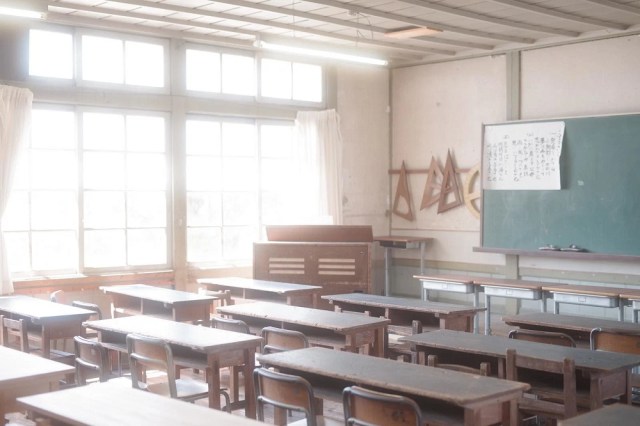
The decision, recommended by the Kobe Board of Education, was prompted by two factors. Japanese public school teachers often find themselves stretched thin trying to prepare and teach lessons for their classes while also handling duties as instructors/coaches for extracurricular activities. With overwork being something that Japanese employers have become more sympathetic toward in recent years, if something has to give in a teacher’s schedule, it makes sense that the board would want them to prioritize their lessons.
Even if teachers have enough time to serve as advisors and coaches, though, with Japan’ s dwindlig birthrates, the clubs and teams don’t always have enough members. Even before abolishing their extracurricular programs entirely, some of the schools had already had to indefinitely disband certain teams and clubs as the number of students joining them was too small to keep them viable.
The good news is that the closing down of the schools’ extracurricular programs is also opening up new opportunities for the affected students. September 1 was also the start of a new program called Kobekatsu, katsu being a shortened form of bukatsu (“extracurricular activities”). Under the Kobekatsu program, the Kobe board of education has partnered with 1,051 local community sports teams, clubs, workshops, and universities that offer programs in athletics, the arts, and technology. Students at the schools which no longer offer extracurricular activities may join any of the Kobekatsu partner programs, and they receive a stipend of between 1,500 and 3,000 yen (US$9.50-US$19) a month to help cover participation costs, which average 3,200 yen per month. There’s also a fund being set up to help with the costs of procuring necessary equipment, such as sports supplies and musical instruments.
The shift to community and privately-run programs has the potential to diminish students’ sense of school pride, as even if students have classmates in their Kobekatsu club, the club is no longer representing the school. However, there are several potential upsides, with the increased choice provided to students being the most obvious. With over 1,000 partner organizations, students will have access to activities far beyond the range that their school could offer on its own.
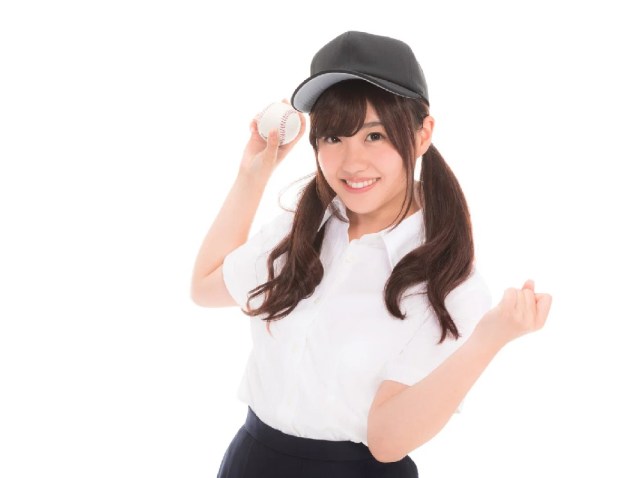
Sure, there’s bound to be some overlap within the available activities, but even that’s something that could work out in students’ favor. It’s not unusual for kids to have an interest snuffed out by a short-tempered coach or unfriendly teammates, causing them to resent and even hate something they might have otherwise developed a lifelong passion for. With school-run clubs, you’re stuck with those personalities; if you’re playing baseball, and the coach is a jerk, then you’re going to be playing baseball with a jerk. On the other hand, Kobekatsu definitely has more than one baseball team among its 1,051 partners, and having more than one such group to choose from gives kids more options in finding a program with the atmosphere and culture that best nurtures their interest and talents.
In addition, since Kobekatsu activity choices aren’t restricted by address in the way that public middle school enrollment is, the new program will give participants an opportunity they wouldn’t otherwise have to interact with students from other schools, hopefully helping them become more open-minded, well-rounded individuals. So while it will be sad to see the schools’ clubs come to an end, this could be the start of something very good in its own right.
Source: NewsJP/Kyodo via Itai News, Yahoo! Japan News/ABC News, Kobe Shimbun Next
Top image: Pakutaso
Insert image: Pakutaso
● Want to hear about SoraNews24’s latest articles as soon as they’re published? Follow us on Facebook and Twitter!


Major Japanese city is abolishing extracurricular activities at all of its middle schools
Teacher says Japanese schools’ mandatory extracurricular activity rules don’t benefit students
Real-life Love Live? Japanese high school starting official idol club extracurricular activity
Survey asks Japanese teens which school club they want to join, and “kitaku” club is top choice
Japanese government promises reduced teacher responsibilities, right to refuse club supervision
New Pokémon anniversary song is 22 minutes long, features all 1,025 Pokémon species [Video]
Kyoto temple bans visitors from wearing kimono
Lego PlayStation recreates Sony’s original console, makes unusual choice for games to salute
New Japanese convenience store rice balls taste like instant noodles [Taste test]
Japan’s revolving sushi restaurant king Sushiro coming to U.S. this fall with high prices, no tipping
7-Eleven Japan releases new Tsukimi Moon-Viewing range for autumn, with a must-try daifuku and teriyaki burger
Starbucks Japan releases new coffee table book featuring 18 of the most unique stores around the country
Japan’s Tsukimi One-hand Bento’s name is all wrong, but it still looks entirely delicious
Join Naked in the Niwa garden: Kyoto Station’s newest spot to craft traditional art
Starbucks Japan reveals new Tsukimi Moon-Viewing drinkware and gifts for autumn 2026
Solo travel in Japan: Hidden beer garden in Tokyo is a haven for single visitors
Studio Ghibli unveils new anime calendars and diary planners for 2027
Family Mart releases new Human Made Cup Noodle in Japan, with freebies for Nigo fans
A real-world Pokémon Poké Ball hotel is opening in Japan at a still-secret location [Video]
Japan’s first fall color forecast for 2026 is here!

One Piece Day 2026 brings new art, music, and new cast announcements
Tamagotchi evolves into a ring for its 30th anniversary, preorders now open
Hobonichi unveils new 2027 planners, diaries and stationery with One Piece, Suica Penguin, Hello Kitty and a must-buy Mini Techo
12-year-old British girl who went missing in Tokyo found safe after visiting anime sites around Yokohama
7-year-old boy left behind on Mt. Fuji by his own dad
Japan’s final Penguin Suica train cards have already shipped, and when they’re gone, they’re gone
Sushi Bus: Japan’s first conveyor-belt bus lets you eat sushi while sightseeing around Tokyo
Japanese toilet aims to attract foreign tourists but not everybody is happy about it
New Japanese vending machine at Shinkansen station sells cups of ice on platform
Study finds hundreds of people in Indonesia legally named after Naruto, Inuyasha, other anime stars
Japan approves foreign resident visa renewal fee increases of up to 967 percent, starts soon
Japan tripled its departure tax to fund tourism but is using the money on cherry blossoms and bears
Japan announces sudden 400-percent increase in visa fees for foreigners entering the country
Japan’s human washing machines will go on sale to general public, demos to be held in Tokyo
Studio Ghibli has a new anime out, and there’s only one place in the world where you can see it
Starbucks Japan releases new drinkware and goods for Valentine’s Day
Starbucks Japan releases new sakura goods and drinkware for cherry blossom season 2026
Japan’s newest Shinkansen has no seats…or passengers [Video]
Tokyo subway installing new ticket gates that don’t accept payment through Suica or other IC cards
Japanese ninja certification exam attracts 131 candidates from Japan and abroad
Salomon releases Japan-exclusive Mt. Fuji hiking gear that doubles as an amazing souvenir
Put sesame oil in your coffee? Japanese maker says it’s the best way to start your day【Taste test】
Japanese high school kendo coach caught forcing students to pay birthday-tribute money
Japanese Youth Conference petitions government to end compulsory after-school club activities
Japanese teacher apologizes for peeing on students’ futon during club retreat
Tokyo governor wants to start study abroad grant system, includes monthly activity allowance
Japanese high school ends tradition of having all students walk 85-kilometer all-night trek
Petition started to stop forcing students to cheer for their high school baseball teams
Sega begins Puyo Puyo Boot Camp to help bring eSports into more Japanese high schools
Is Japan overworking its teachers? One exhausted educator says, “YES!”
Japan’s Rental High School Student Project is more wholesome than it sounds, good for its community
Japanese high school volleyball player beaten by coach, teammates for violating no-dating rule
Japan’s Shizuoka bans teachers from personal communication with students on social media
University of Tokyo students can show off school pride with new jacket boasting ID display pocket
All-boys’ high school in Japan has mandatory grooming lesson, teaches about skincare, hairstyling
Japanese educators want to allow students to use robot substitutes to attend school
The only woman managing a high school baseball team in Osaka does things a little differently
Majority of Nagasaki high schools and middle schools have white-underwear-only rules, study finds
Elementary and junior high students speak out on Japan’s strangest school rules