Shinjuku has more private lodging rentals than any other part of Japan, but a whole lot of them could be going away as pushback against overtourism continues.
According to the Japan Tourism Agency’s most recent statistics, there are 42,070 Airbnb-style short-term private lodging rental properties across the country, and no city or ward has more than Tokyo’s Shinjuku Ward. That could be changing soon, though, as the local government is looking to introduce changes that would force more than half of Shinjuku’s short-term rentals to shut down.
First, let’s take a look at the recent history of minpaku, as Airbnb-style accommodations are called in Japanese. When the current legislation allowing minpaku went into place, it was seen by proponents as a promising way to attract more visitors to Japan by offering the sort of independent traveler-oriented options that had become popular among young travelers abroad. This, however, was in 2018, back before the plummeting value of the yen and rising global interest in Japanese food, luxury, and pop culture turned Japan into one of the world’s most popular destinations for international tourists, and also took “overtourism” from a largely abstract concept into something actually affecting many local’s daily lives.
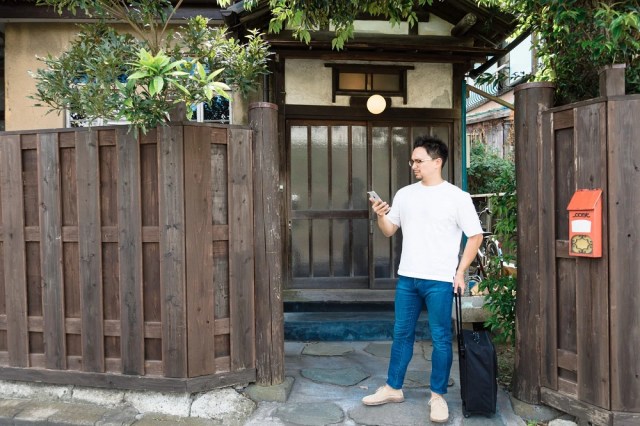
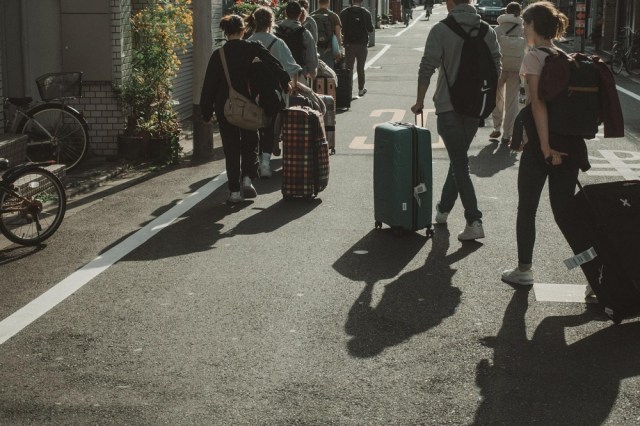
Private lodging rentals are a particularly detested part of Japan’s travel boom among residents, with those unfortunate enough to live near one citing litter, noise, and trespassing onto private property among the behavior they’ve had to put up with from tourists who can’t be bothered to be considerate. Shinjuku Ward says it received 1,334 complaints from residents regarding minpaku tourists in 2025, roughly double the amount from the year before. In addressing grievances, the authorities have issued 29 temporary closure orders and five permanent closure orders to private rental operators for violations. With resident complaints continuing to rise, though, the ward has come to the conclusion that it doesn’t have the manpower for this whack-a-mole style of enforcement, and legislators are now looking to issue a new ordinance that would ban the operation of minpaku rentals within parts of Shinjuku which are zoned for residential use only or near schools.
The ordinance would not only apply to new minpaku, but also to those already operating. Of the 3,775 current private lodging rentals in Shinjuku, roughly 2,000 would have to close under the new rules.
A grace period to allow for an orderly shutdown of operations is being considered, as are exceptions if certain managerial criteria are met, such as the owner of a rental property also being a full-time resident of it. Even for those minpaku that are allowed to stay open, though, the new ordinance would reduce the number of days they can have guests from the current 180 days per year down to 120.
Japan’s minpaku woes are, in a way, kind of ironic, given that Japan’s zoning laws allow for much closer proximity between residential and commercial buildings than in some other countries. At the same time, Japanese society is largely built on a strong foundation of not causing trouble for others in order to maintain harmonious relationships. Things like staying relatively quiet at home (especially during nighttime hours), disposing of trash properly, and not taking a shortcut through a corner of your neighbor’s garden to save time on your walk to the station are all considered common courtesy, even if they’re inconvenient. Those who drafted Japan’s currently lenient minpaku regulations most likely assumed, naively, that tourists staying in residential areas would then follow Japan’s neighborhood norms. Things haven’t panned out that way, though, and minpaku are increasingly being seen by locals as a symbol of many of the unpleasant side effects of Japan’s inbound travel boom, places that attract impolite tourists who make locals’ lives worse while lining the pockets of owners who don’t care about the problems because they live somewhere else.
Shinjuku Ward’s ordinance revisions are expected to be formally proposed in February, and would go into effect next summer.
Source: Iwate Shimbun, Yomiuri Shimbun, Asahi Shimbun
Top image: Pakutaso
Insert image: Pakutaso
● Want to hear about SoraNews24’s latest articles as soon as they’re published? Follow us on Facebook and Twitter!