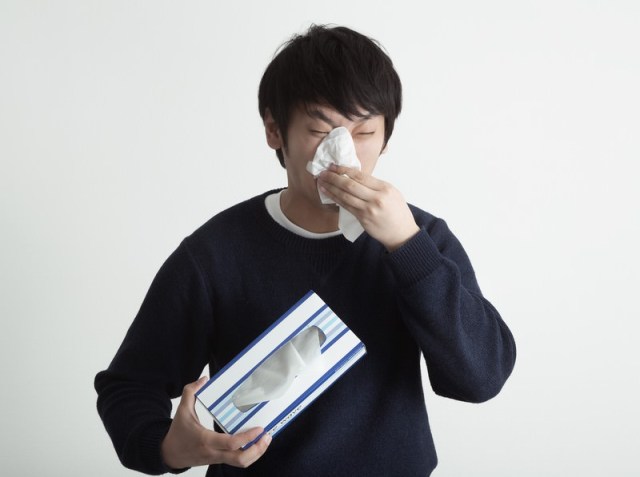
Learn the scientifically proven technique for blowing your nose efficiently.
Science has tackled many a mystery for the advancement of human knowledge and understanding, from black holes to gene editing, but there are some researchers out there who turn their focus to the more mundane and humorous things in life and ask themselves, “What is going on here?” To laud the value of the efforts of those people, the Ig Nobel Prizes came into being, celebrating achievements that first make you laugh, and then make you think.
This year, in the 36th installment, and the first time being held in Switzerland, the Ig Nobel Prize in Medicine went to the late Dr. Tokuji Unno, Professor Emeritus at Asahikawa Medical University, and Dr. Hiroshi Yajima for their 1977 study: How to Blow the Nose. This marks the 20th consecutive year that a Japanese researcher has won one of the Ig Nobel Prizes.
▼ Here Dr. Miki Takahara of Asahikawa Medical University accepts the award on behalf of Dr. Unno who passed away in 2022, but you can also enjoy the entire award ceremony itself.
While nose blowing seems like an everyday occurrence, Unno and Yajima wondered whether people were actually blowing their noses properly. So, with pneumotachometers (airflow meters) and eardrum pressure transducers, they hooked up 15 volunteers to dissect the aerodynamics of the common honk.
Their mechanical breakdown of the human nose blow revealed crucial data for nasal hygiene enthusiasts everywhere:
● The One-Side Policy
Nasal passages are rarely created equal, and blowing both barrels at once causes airflow to take the path of least resistance. To clear the clogged side, you must block the clear side to build up a high-velocity airstream.
● The Power Blow
A commonly held thought was that blowing hard is bad for the ears, but the airflow inside the nose and middle ear infections are separate issues. Higher flow velocity increases the discharge efficiency of built-up mucus.
● The Long Blow
The average blow lasts 1.23 seconds and ejects 1.34 liters of air, which is about a third of your vital lung capacity. To maximize clearance right down into the bronchia, take a moderate breath in and execute a sustained, steady blow rather than a short, hyper-pressurized burst.
▼ Modest blows are not going to clear those sinuses efficiently.

The Ig Nobels are a humorous reminder that even the most mundane of daily habits are governed by fascinating physics. The next time you reach for a tissue, you can press one nostril, and blow long and proud with scientific confidence.
Sources: Asahikawa Medical University, YouTube/Nitere News, YouTube/Niconico News, J-Stage
Top image: Pakutaso
Insert image: Pakutaso
● Want to hear about SoraNews24’s latest articles as soon as they’re published? Follow us on Facebook and Twitter!