

Read this before ordering fatty tuna at a sushi restaurant in Japan.
There are a lot of ways to enjoy sushi in Japan, but if you want to earn brownie points (or should we say sushi points?) and impress those around you, you might want to hold back on your favourites and follow a rule of thumb that few tourists know about.
It’s a traditional approach that makes a lot of sense, but it might require some discipline, as it involves starting with lighter fish before moving on to fattier, richer varieties. That means holding back on some of the more popular crowd-pleasers like fatty tuna, and starting with varieties like flounder, sea bream and other delicately flavoured fish.
▼ Scallops are another good choice.
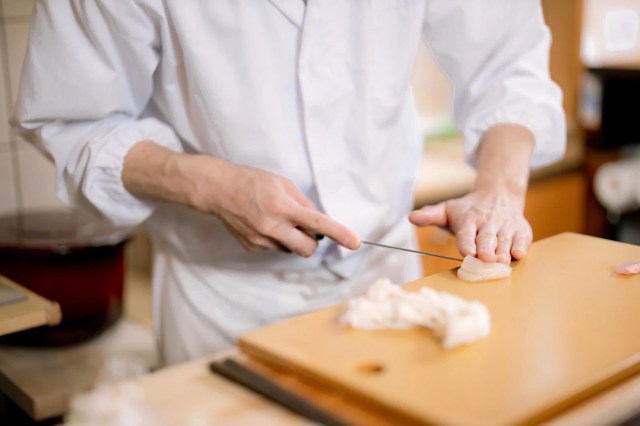
This sushi protocol actually became a topic of debate online recently, when a 30-year-old Japanese office worker went to dinner with the president of his new company and was reprimanded after requesting fatty tuna at the start of the meal. He was loudly scolded by the president, who told him that his choice was inconsiderate, and he should know basic sushi etiquette as a working adult.
The president insisted that diners should always start with white fish, like flounder. When the young office worker explained that he wasn’t fond of white fish, the president criticised him for claiming to like sushi at all. Needless to say, the incident left the worker questioning whether he’d made the right decision in joining the company.
▼ Look boss, I wanted to like you, but I don’t love you like fatty tuna.
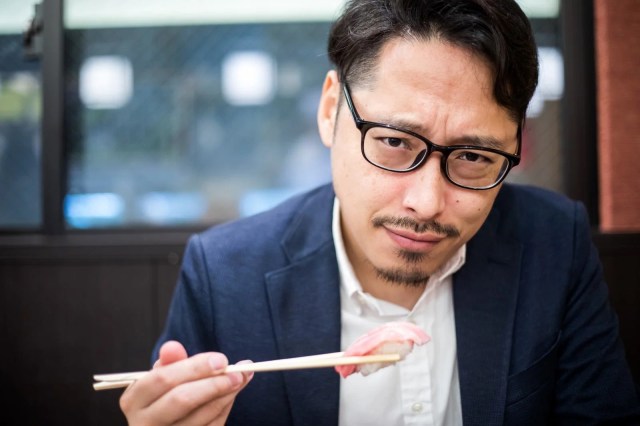
While it does sound like the president could’ve been less scathing in his remarks, he actually was referring to a recognised approach to eating sushi. Sushi enthusiasts often recommend starting with delicate white fish, such as flounder or sea bream, as their subtle flavours would be harder to appreciate after eating stronger-flavoured fish and richer cuts like fatty tuna. In fact, when sushi chefs serve “omakase” set meals to diners, they often follow this rule of thumb, as moving from lighter to richer flavours helps diners enjoy the differences between each type of sushi.

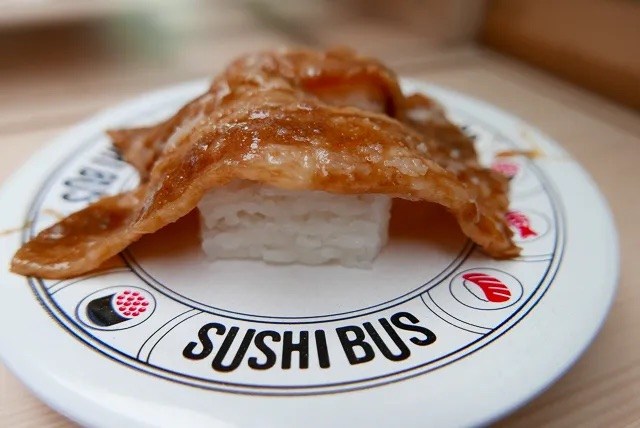
Rather than being an absolute rule, though, this progression from light to rich is a general guideline, and a lot of diners these days will simply eat whatever they want whenever they want, especially when dining out at a conveyor belt sushi chain restaurant, where people aren’t really watching what you do.
▼ Heck, you could even order beef short ribs if you wanted to, but on the Sushi Bus, anything goes.

Like all dining choices, the decision on what to eat, and when, is ultimately up to the diner. So if you’re eating at a sushi counter, with the chef right in front of you, ordering white fish before richer varieties will let them know that you have respect for proper sushi etiquette. If you’re more cavalier, you can take your chances and simply order fatty fish… and hope that the person next to you isn’t a company president with a stickler for the rules, or else you’ll be schooled.
Source: Hachima Kikou via Yahoo! News Japan
Featured image: Pakutaso
Insert images: Pakutaso (1, 2, 3)
● Want to hear about SoraNews24’s latest articles as soon as they’re published? Follow us on Facebook and Twitter!