Born and raised in Singapore, 31-year-old Kathy Xu had been a secondary school teacher all her adult life, including a brief stint in Japan in 2009. Despite her love of teaching, Kathy recently made the bold decision to dedicate herself full-time to helping stop the exploitative shark finning trade in Southeast Asia, having visited the island of Lombok three times and witnessed the grim situation first-hand. She is now working to provide those same fishermen with an alternative form of income: ecotourism.
With the long-term goal of replacing shark fishing with environmentally friendly tours operated by locals, Kathy hopes to change the way we think about sharks, as well as help maintain the delicate ecosystem that exists in the seas surrounding Lombok, potentially saving their sharks from extinction.
We sat down with Kathy to talk about her inspiring venture: The Dorsal Effect.
Combining her teaching skills and her passion for sharks, Kathy works as a volunteer for the internationally recognised conservation group Shark Savers, giving talks and presentations at local schools as well as attending exhibitions to raise awareness about the very real plight of sharks today–burdened with the image of being monsters of the sea or otherwise ending up in soups on special occasions.
With a warm smile and a gentle demeanour, Kathy is immediately likeable. Mention shark finning to her, though, and she becomes visibly impassioned. Taking time from her busy schedule, she sat down with RocketNews24 to talk about the inspiration for her work, the difficulties she faces and her ultimate dream for the project.
RN24: Thanks for talking to us today! We’re going to be honest right off the bat here and admit that the thought of saving sharks never really occurred to us much before. What on earth prompted you to get into shark conservation?
Kathy: It was all kind of sudden, really. I just started Googling “saving sharks” after watching [the 2006 documentary] Sharkwater a few years ago and, as luck would have it, a guy named Jonn Lu was starting a regional Asia Pacific branch of Shark Savers in Singapore where I live. After sitting in for the shark 101 shark conservation presentation, I decided to dedicate my life to trying to save sharks because I really want future generations to have a chance to behold their beauty as well. I’ve been teaching for years, so I started helping out by giving talks to schools and new volunteers on shark conservation. Slowly but surely I got more involved and I decided that I wanted to do this full-time, really make a difference somehow.
▼ Helping educate the little ones through Shark Savers.

RN24: But aren’t sharks kind of scary? At least with pandas they look cute and cuddly. Don’t people immediately think of sharks as villains?
Kathy: (laughs) True, true. Well after giving shark conservation talks so many times and using the Jaws theme song as a hook starter always, I’d sing the same refrain. But sharks are the most misunderstood creatures of the oceans; yes they are apex predators, but humans are not on their diet — we don’t belong in the ocean to begin with — and [author] Peter Benchley was so filled with regret over the bad image he gave sharks in Jaws that he and his wife committed their lives to conserving sharks and have been on the board of directors for Shark Savers ever since. Go dive and swim with sharks: your life will be transformed, and just like me, you’d want your kids and the future generations be able to see sharks alive. They’re stunning.
▼And the bigger ones, too!

RN24: So you’ve swum with sharks yourself?
Kathy: Oh, yes! Best experiences ever! The first shark I swam with was with a whale shark off Ningaloo Reef in Exmouth, Australia. The moment I plunged into the depths of the open ocean and took in the sight of a six-metre-long juvenile whale shark was a life changing moment for me. I actually forgot how to breathe for a split second and almost squealed myself into a choke through my snorkel. As we swam on and chased the beautiful creature, I knew that was a sight I wished every Chinese person who still eats shark fin soup could see and be transformed forever.
After that experience, I found myself in South Africa doing cage diving with the sharks, but it wasn’t all that pleasant an experience, to be honest. For one, the guys who took us out on the boat were using chum as bait to lure the great white sharks in so we could see them breach the surface and bare their teeth–the usual crowd-pleasing stuff, you know? I could appreciate that the company was working towards the conservation of the great whites, but I couldn’t reconcile the taunting throughout the entire boat trip to ensure the tourists got a good look at them. Nonetheless, I still appreciated being up close with the beautiful creatures in spite of the biting cold waters off Cape Town!
RN24: As sympathetic as many people are to the plights of animals at the hands of humans, at the mention of groups like PETA, who are known for their fairly outlandish publicity stunts, a lot of people roll their eyes or switch off entirely. Do you meet with much resistance when you broach the subject of saving sharks?
Kathy: Definitely, but it’s more of a cultural issue than public perception. Sometimes there’s really no point trying to out talk the pro-finning guys since their first aim is to get you riled up, it seems. But I guess the easiest crowd I’ve had are the young ones who aren’t so set in their ways or bogged down in tradition. Through them it’s sometimes possible to convey the message to the older generations.
RN24: You’re talking about shark fin soup?
Kathy: Absolutely. It’s been around for generations, so many of the older people won’t change their minds.
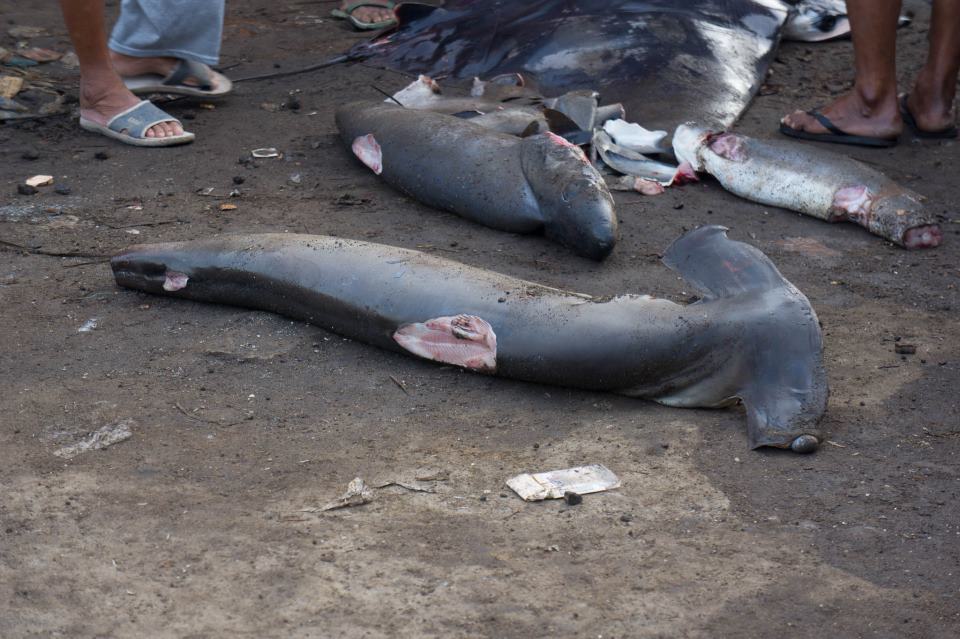
▼ Shark fins, freshly removed from their bodies.
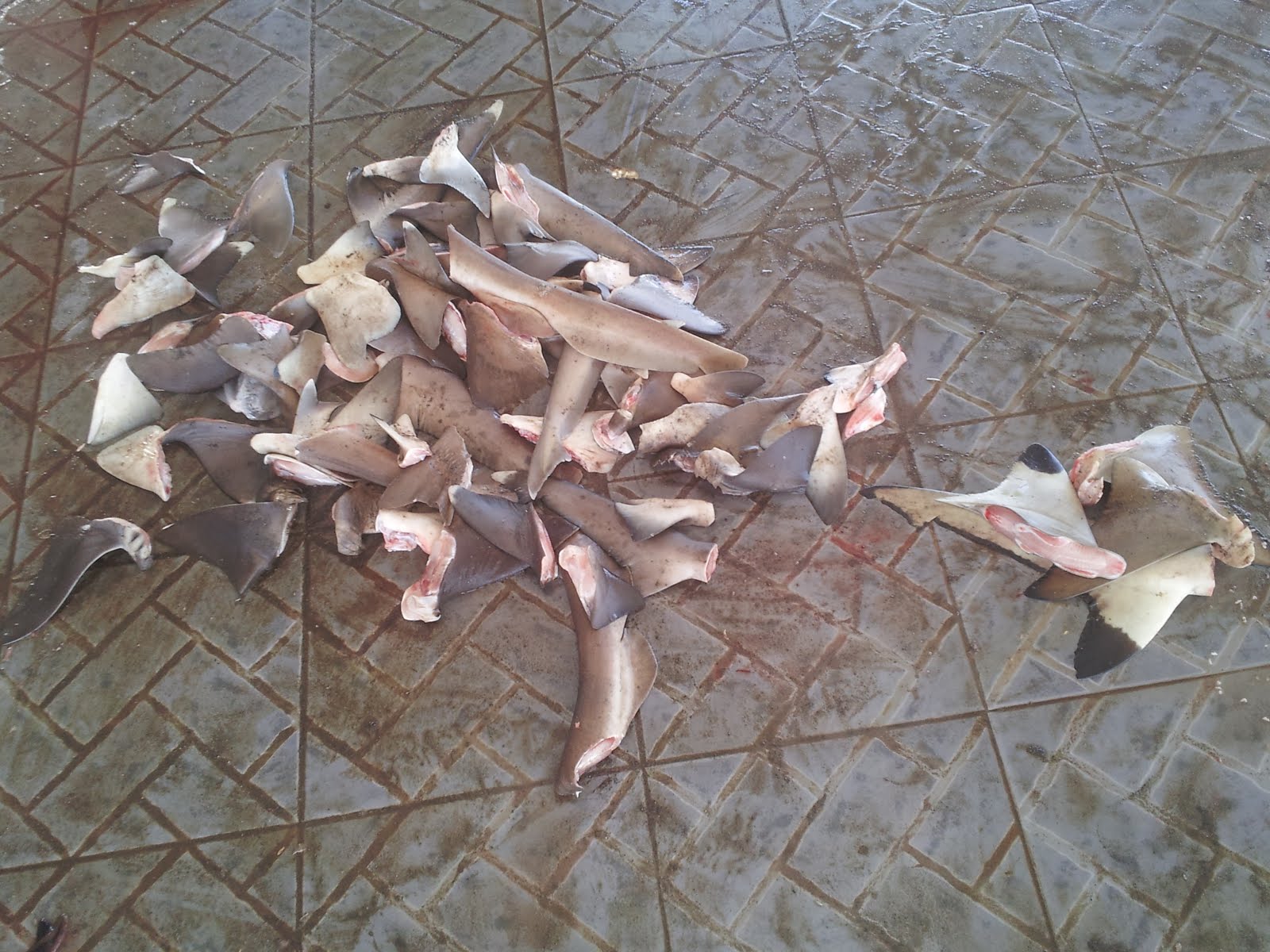
RN24: It’s difficult for many Westerners even to imagine eating a dish like shark fin soup. Is it really that popular?
Kathy: Sadly, yes. All issues of conservation aside, the shark fin itself doesn’t even add much to the flavour of the soup, but it’s still a very popular dish among the older Chinese. It’s a sign of wealth and status to be able to serve shark fin soup at any celebratory dinner or function, so even though it’s becoming taboo in some circles, it’s still a hugely popular choice. We’re seeing a new wave of young people turning the tide against it, though. I just hope it’s enough to the end of the shark finning and fishing industry before we wipe them all out and turn the ecological balance completely upside down.
RN24: Tell us a little more about The Dorsal Effect.
Kathy: Well, this is something of a natural progression for me; a hands-on project. Having left teaching, I’m trying to start The Dorsal Effect as an ecotourism business in Lombok, Indonesia where I have seen shark fishing and finning happening with my own eyes. It’s my goal to convince the fishermen and local authorities that eco-friendly tourism can work in place of the finning.
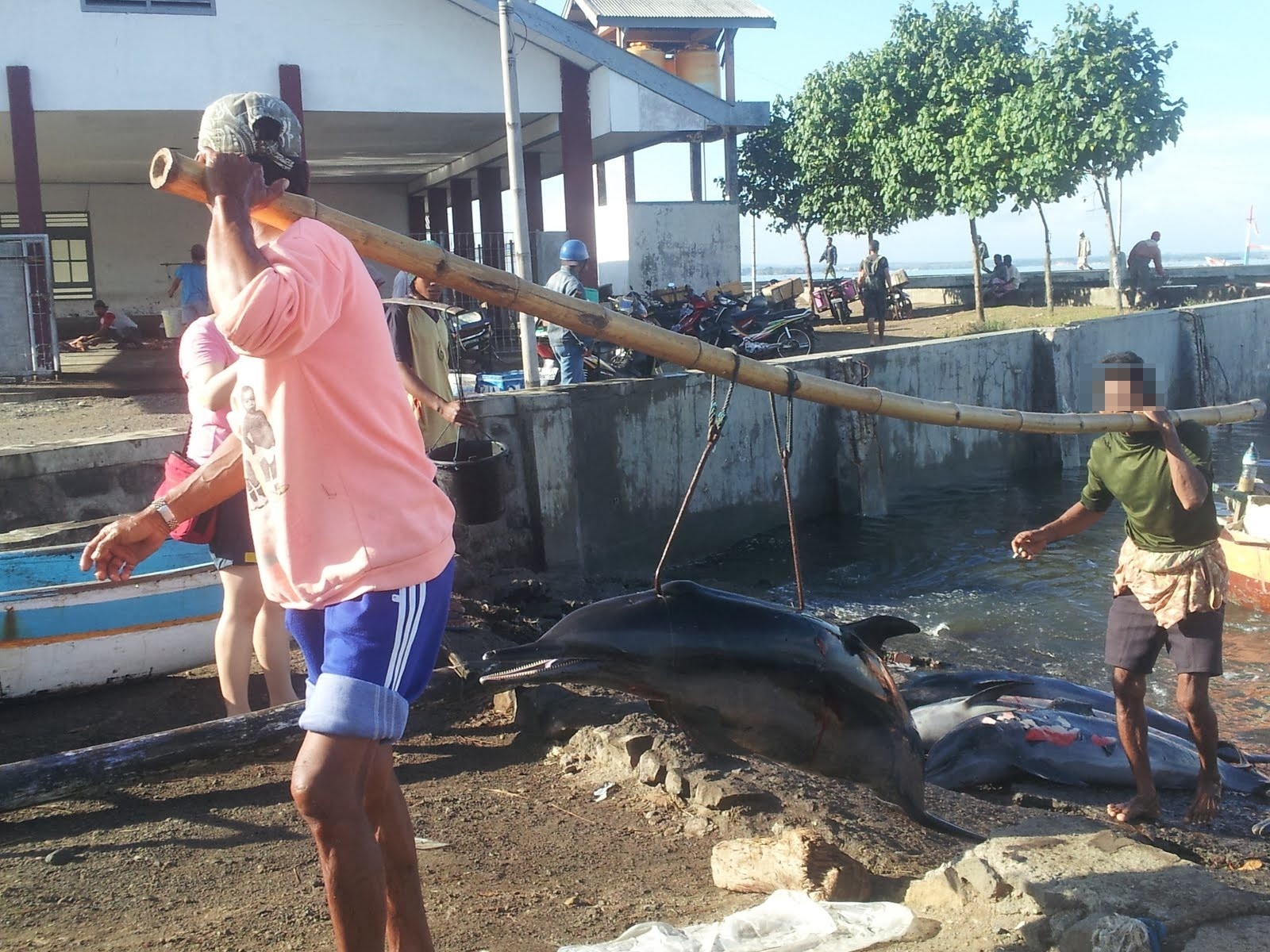
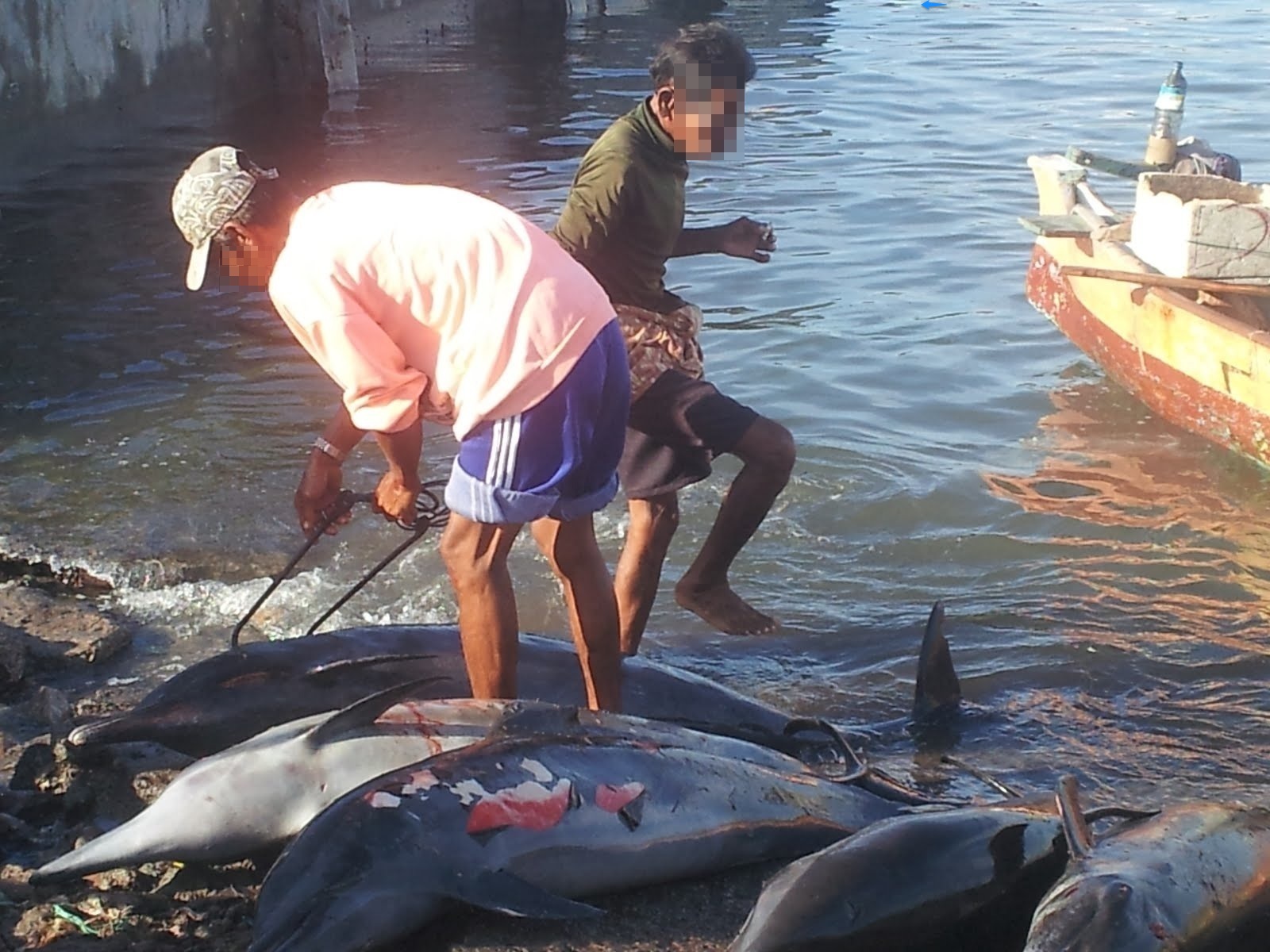
▼ Today’s catch, dolphins, are lined up on the shore in Lombok.
RN24: So from the people eating the fins at weddings to the people cutting them off by the sea, you’re trying to change their perception of sharks? Can’t be easy.
Kathy: Oh, it’s not! The shark finning industry involves big money and a lot of exploitation. People in Lombok catch the sharks, ultimately, to make a living, and they’re supplying to meet demand. For now, I’m focusing on Lombok, specifically Tanjung Luar on the south-east coast. It’s so beautiful out there, it has to be seen to be believed. But then there’s the finning… This is by no means the only place that shark fishing is going on, but it’s the perfect environment to promote positive tourism.
▼ Beautiful Tanjung Luar

RN24: Positive tourism?
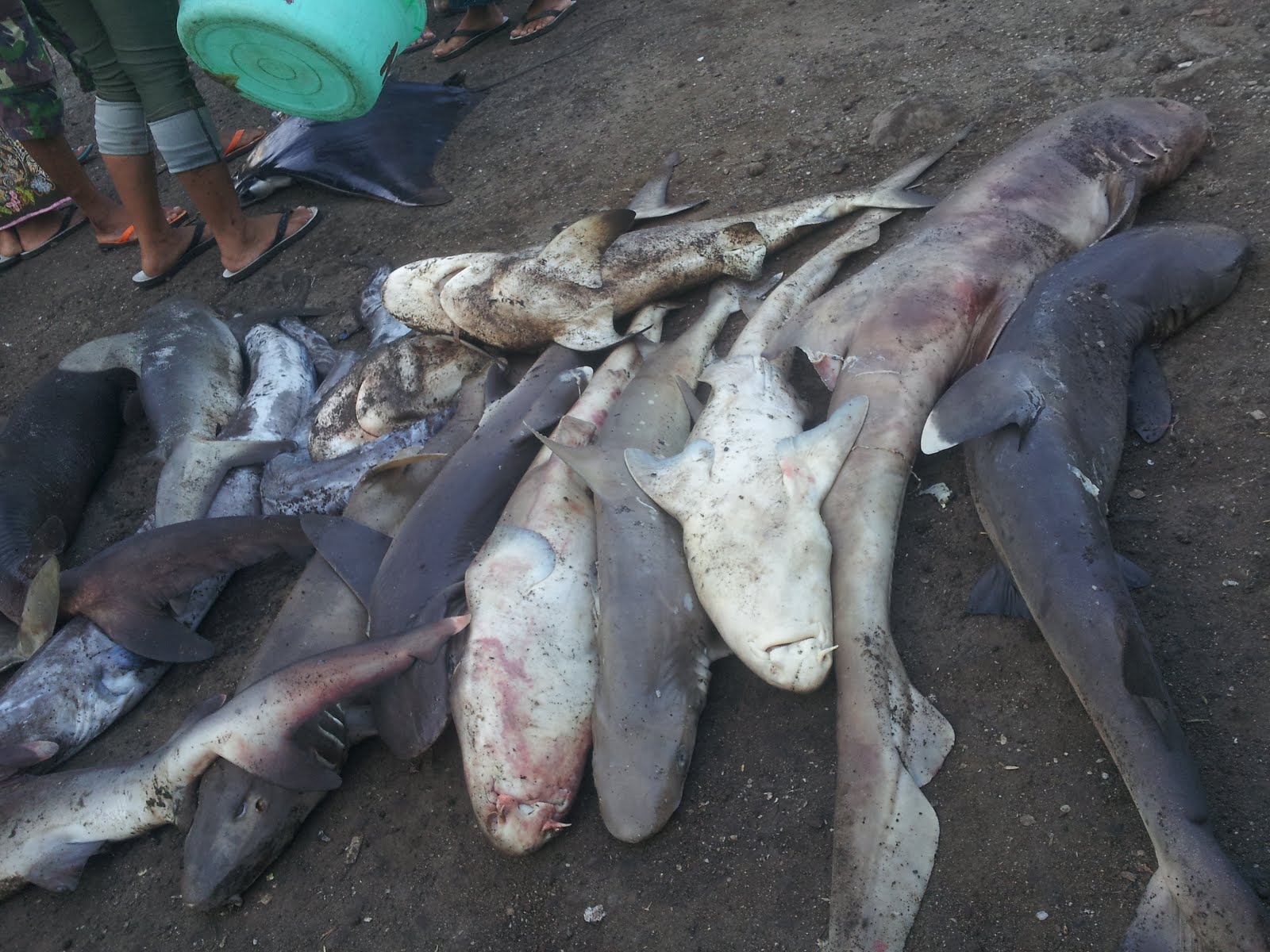
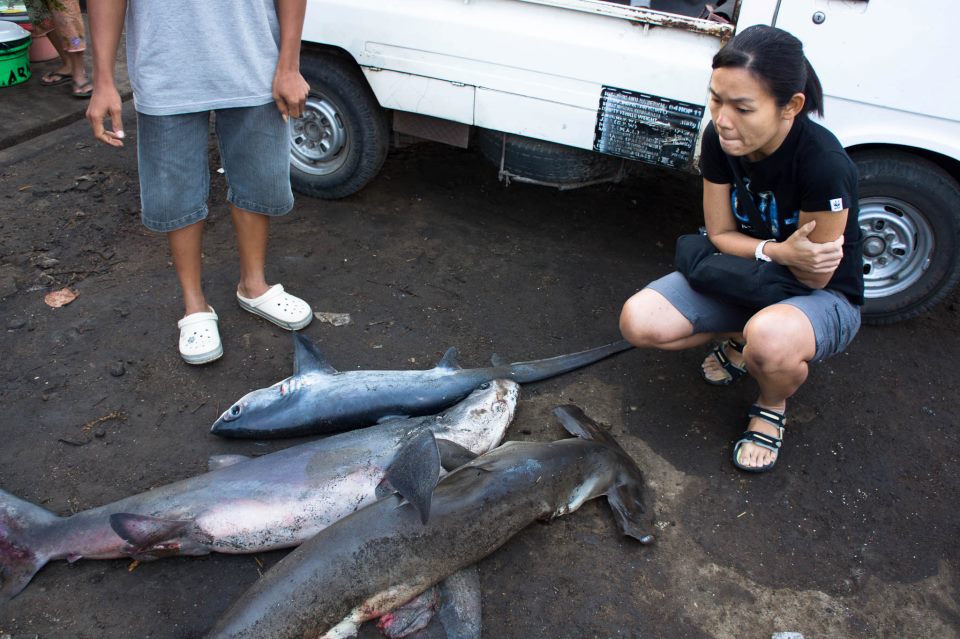
Kathy: Right. At the moment, there’s plenty of tourism on Lombok, but it’s not always based on positive aspects. Endangered shark species are fished for daily. They pull hammerheads, makos, tiger sharks out of the sea. They even catch dolphins sometimes. I know the fishermen are doing this entirely to make a living, so they can’t be blamed per-se, but at the same time there are tourist groups being shown around–they’re guided through the markets to see these endangered sea creatures being cut up and sold–and they’re told “Well, this is how it’s been for years. It’s their culture,” and that’s the end of it. With The Dorsal Effect I want to promote ecotourism in place of shark fishing, starting with the people who catch the sharks and those same tourist groups.
RN24: You want the fishermen involved in this?
Kathy: Absolutely. I’ve got no intention of making people suffer in place of sharks, but we need to instigate change. I hope to be able to start a for profit ecotourism business one day, selling boat trips to tourists in Lombok, and have the once shark fishermen and boat owners take on the alternative livelihood of taking the tourists out on the boat trips instead of catching sharks. Starting one boat at a time, I hope to ultimately be able to convince the Indonesian government to preserve the waters around Lombok as a shark sanctuary and top spot for shark conservation ecotourism. I do still hope to see a day where the boat owners, fishermen and fin traders are able to see the long-term and sustainable economic value of having sharks alive for tourists than having the sharks dead and wiped out instead. I mean, how will the extinction of sharks benefit anyone in the long-run? The day will come when you can make a trip to Lombok and book a boat tour with The Dorsal Effect to help prevent shark killing using your tourist dollars. That’s the dream I’m holding on to right now, and I’m working every day to make it happen.
A big thank you to Kathy Xu for taking the time to talk to us. To find out more, visit www.thedorsaleffect.com or like the group on Facebook.
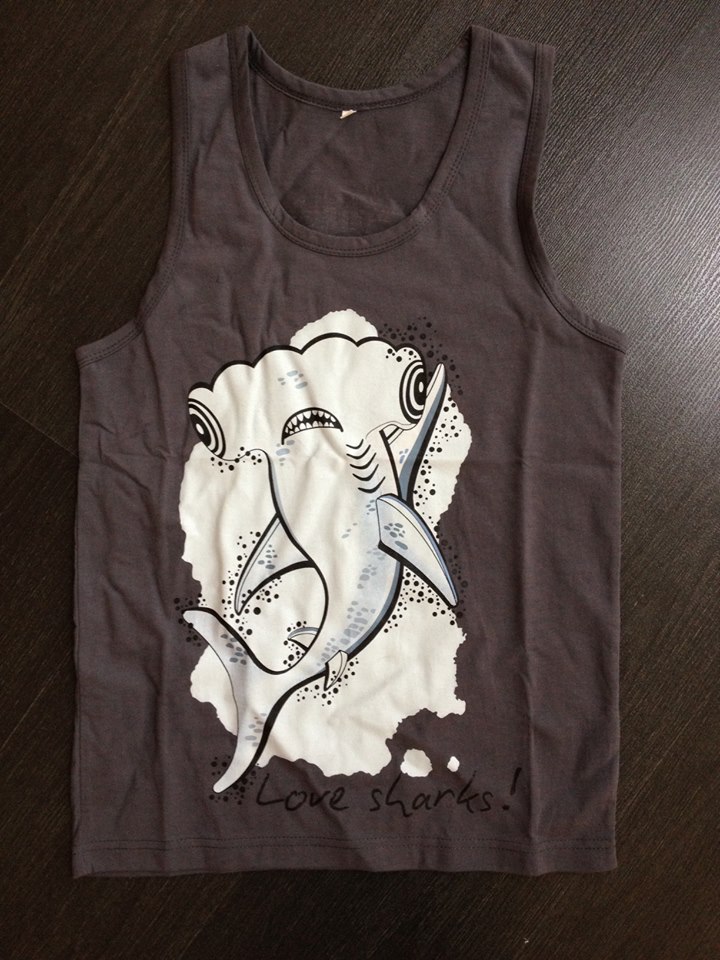
▼ Shark-friendly merch, anyone?
▼ The sad reality of shark fishing.