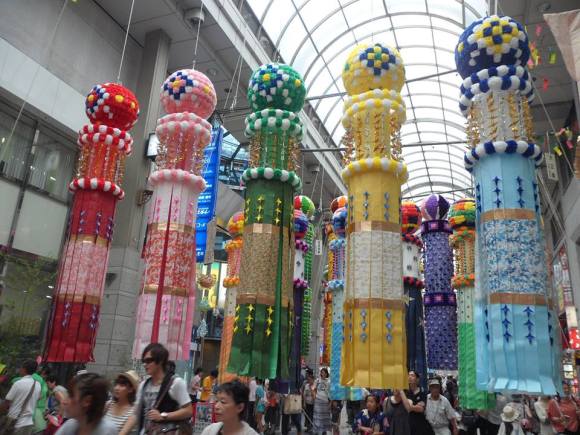
Kyoto, Osaka, Nara…southern Japan seems to get all the love from both international and Japanese tourists alike. But what about the rest of the country, like the six northern prefectures? Northern Japan, known as Tohoku in Japanese (東北, “the northeast”), is a hidden gem full of unique cultural traditions, unspoiled natural scenery, and some of the warmest people you’ll ever meet, despite the chilling winters.
This weekend is a better time than ever to hop on the bullet train up north to take part in the Tohoku Rokkonsai “mega-festival”. The festival began in 2011 to lift the spirits of the people of Tohoku after the deadly earthquake and tsunami just months earlier. The highlight of the festivities is a massive parade composed of segments from all six of Tohoku’s major summer festivals. Where else can you experience the excitement of SIX major festivals all at once FOR FREE??
This weekend (May 24 and 25), Yamagata City will host the fourth annual Tohoku Rokkonsai, also known as the Rokkon Festival in English. “Rokkonsai” (六魂祭) is composed of the kanji for “six,” “soul/spirit,” and “festival,” so it in essence refers to the souls of the six major festivals of Tohoku. I myself happened to live in Yamagata City for two years, or “Yam City” as us resident foreigners have affectionately dubbed it, and am bursting with Tohoku pride.
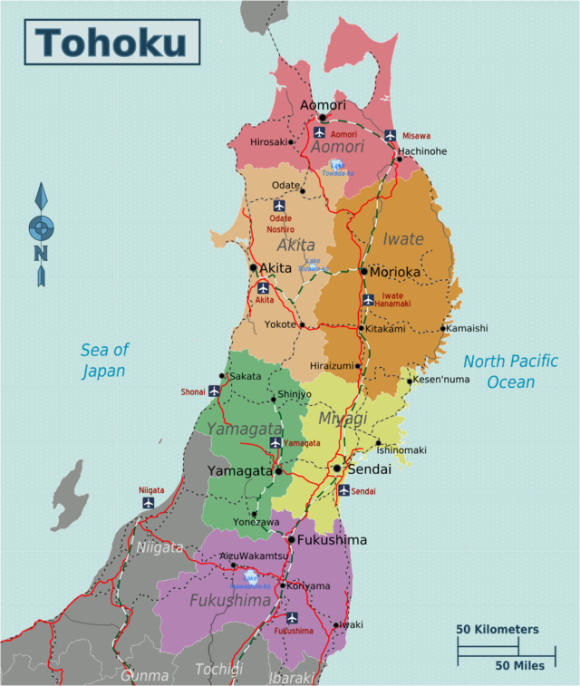
Let’s take a moment for some of us to brush up on our geography. Tohoku is composed of the following six prefectures:
1. Aomori (capital: Aomori City)
2. Akita (capital: Akita City)
3. Iwate (capital: Morioka)
4. Yamagata (capital: Yamagata City)
5. Miyagi (capital: Sendai)
6. Fukushima (capital: Fukushima City)
▼”Take that, southern Japan! We’re even cooler than you!”
As previously mentioned, the Rokkonsai was started in 2011 to boost the morale of northern Japan after the devastating earthquake and tsunami. A different capital city of the six Tohoku prefectures will host the festival each year. It was held in Sendai in its inaugural year, followed by Morioka, Fukushima City, and now Yamagata City. That means that Aomori City and Akita City will serve as hosts over the next two years. Last year, a whopping 250,000 people showed up to the festival to show their Fukushima love, giving the local economy a nice boost as well.
The biggest draw of the festival is undeniably the parade, which features snippets of the largest summer festivals from each of the six prefectures. Here’s a brief overview of each of them.
1. 青森ねぶた祭 (Aomori Nebuta Matsuri)
August 2-7, 2014, Aomori City
www.nebuta.or.jp
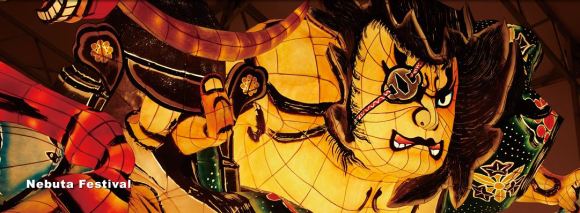
Traditionally considered one of the “Big Three” festivals of northern Japan.
“It was originally patterned after the Tanabata practice of floating paper lanterns down the river. Exactly 22 huge floats light up the city, and a Japanese orchestra and dancers wearing outfits known as haneto all come together to celebrate the spirit of the short summer.”
2. 秋田竿燈まつり (Akita Kanto Matsuri)
August 3-6, 2014, Akita City
www.kantou.gr.jp
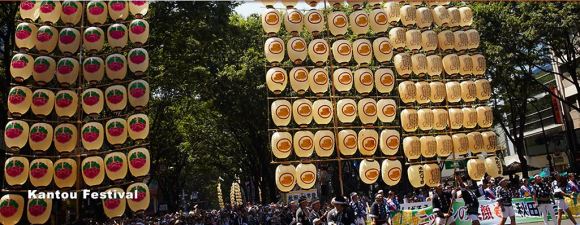
Traditionally considered one of the “Big Three” festivals of northern Japan.
“This festival’s long history goes back to the days of ‘washing away’ the sleepiness and disease of midsummer. Male performers demonstrate tremendous skill by balancing huge bamboo poles of lanterns (kanto) that weigh 50 kilograms (110 pounds) and are 12 meters tall (39 feet) on different parts of their bodies.”
3. 盛岡さんさ踊り (Morioka Sansa Odori)
August 1-4, 2014 Morioka
www.sansaodori.jp
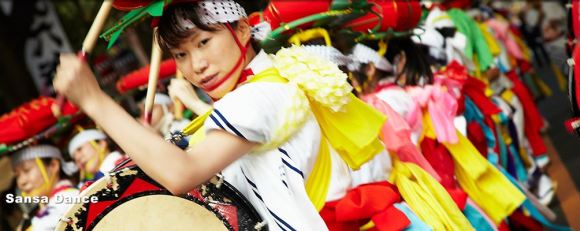
“Legend says that long ago the local people celebrated the eradication of a terrible demon by dancing and singing ‘sansa, sansa.’ This festival is recorded in the Guinness Book of World Records as being the world’s largest parade of taiko drummers. Festival onlookers can join in the fun by participating in the circle dancing at the end of the parade.”
4. 山形花笠まつり (Yamagata Hanagasa Matsuri)
August 5-7, 2014, Yamagata City
www.hanagasa.jp
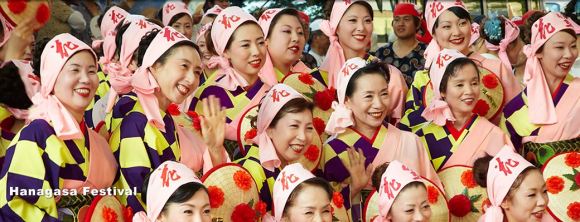
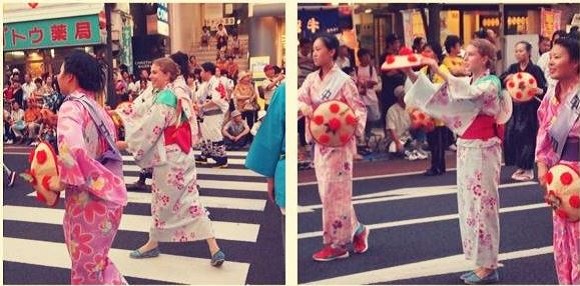
“‘Yassho, makasho’ shout the exuberant voices of elegantly dressed troops of dancers. Watching them wave their hats decorated with benibana (safflowers) in unison to the music is a wonderful sight.”
▼I can personally vouch for the fun of Hanagasa- that’s me dancing in last year’s festival!
5. 仙台七夕まつり (Sendai Tanabata Matsuri)
August 6-8, 2014, Sendai
www.sendaitanabata.com
Traditionally considered one of the “Big Three” festivals of northern Japan.
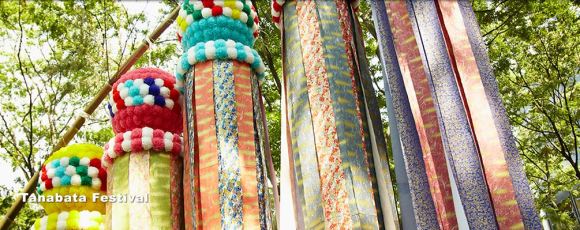
While most of the country celebrates Tanabata in July, Sendai continues to follow the traditional lunar calendar celebration in August.
“Continuing the tradition started after the daimyo Date Masamune founded Sendai in 1600, this is the largest Tanabata festival in all of Japan. Every year over two million people come to see the colorful decorations.”
6. 福島わらじまつり (Fukushima Waraji Matsuri)
August 1-2, 2014, Fukushima City
www.waraji.co.jp
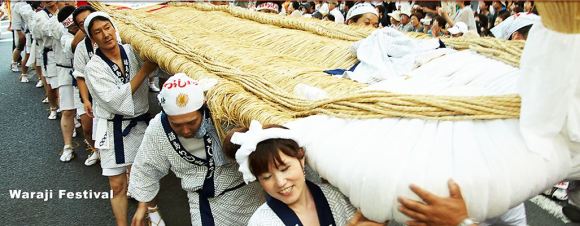
“This festival is named after its enormous straw sandals (waraji), which are the largest in all of Japan. Since ancient times, people have dedicated the shoes to the local Ashio Shrine and prayed for strong walking legs. You won’t want to miss the ‘Heisei Waraji Dance’ which is done in reggae style or the hip hop dancing on ‘Soda Night,’ either.”
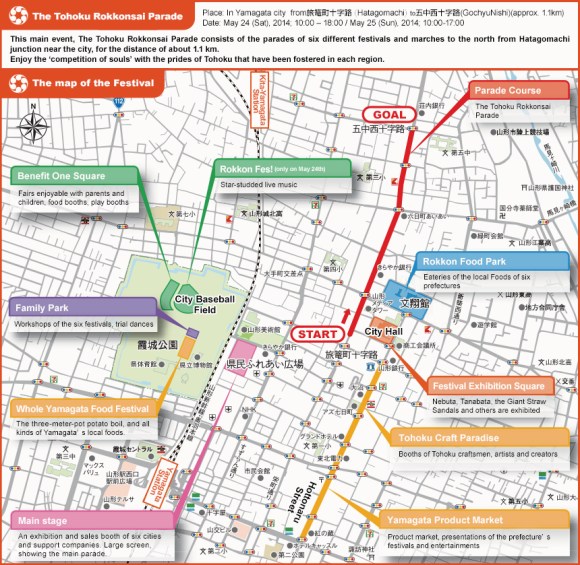
Besides the parade, the Rokkonsai also aims to teach people about the cultural treasures of the Tohoku region. There will be stands selling the local food specialties and crafts from each prefecture and workshops where you can try learning the individual festival dances for yourself. Even local idol groups from around Tohoku will perform! A detailed schedule of events can be found on the official website (Japanese only, sorry).
▼A map of all the venues for this year’s festival. You can see a larger version of this image on the English version of the official website.
This year’s festival’s theme is 起, which means “to rise” or “to wake up.” The organizers of the event hope that the people of Tohoku will rise and come together as one to keep moving forward after hard times.
2014 Rokkonsai Information
Yamagata City, Yamagata Prefecture
Saturday, May 24 10 AM-6 PM (Main parade: 2:30 PM – 4:45 PM)
Sunday, May 25 10 AM-5 PM (Main parade: 12:30 PM – 2:45 PM)
Yamagata City is approximately three hours by bullet train from Tokyo (the Yamagata Shinkansen is called Tsubasa). A one-way ticket with reserved seating costs approximately 11,340 yen (US$111).
Source: Rokkonsai
Images: Rokkonsai (Japanese, English), Wikivoyage: T. Kambayashi, RocketNews24