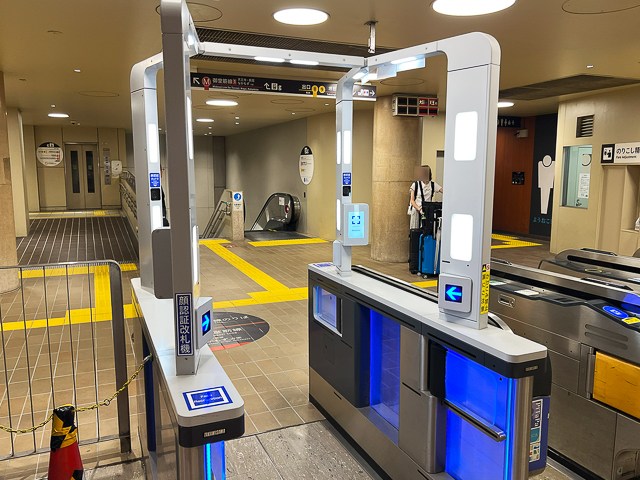
New walk-through gates are designed to speed up the flow of passengers, but there’s something tripping them up.
With the cyberpunk masterpiece Ghost in the Shell set in the year 2029, we’ve been increasingly looking around us, wondering when the tech in our everyday world will catch up to reflect the high-tech animated worlds on screen.
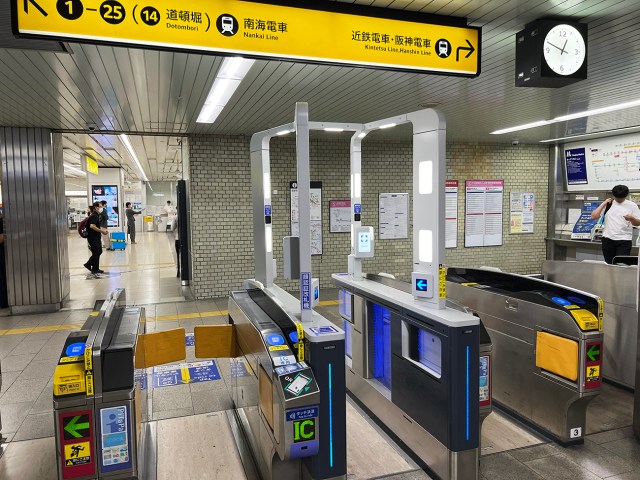
So when our roving reporter Seiji Nakazawa stumbled upon a “walk-through facial-recognition ticket gate” during a trip to Osaka recently, his sci-fi sensors immediately pulled him towards it, urging him to give it a try.
▼ Seiji made the discovery at Osaka Metro’s Dobutsuen-mae Station.
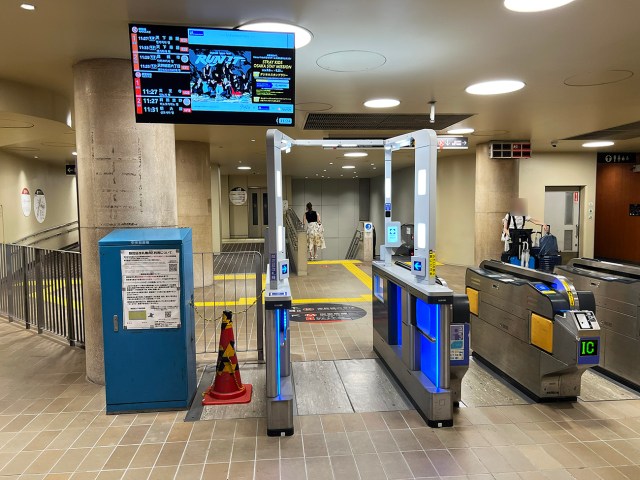
Apparently, all you need to do when using the gate is simply walk through it. Called “Face Pass”, this new ticket-gate technology looks totally sci-fi, and Seiji felt compelled to walk through the bright lights, but he felt slightly worried that there might be some catch that would prevent him from being able to proceed through them, making him look like a fool in the process.
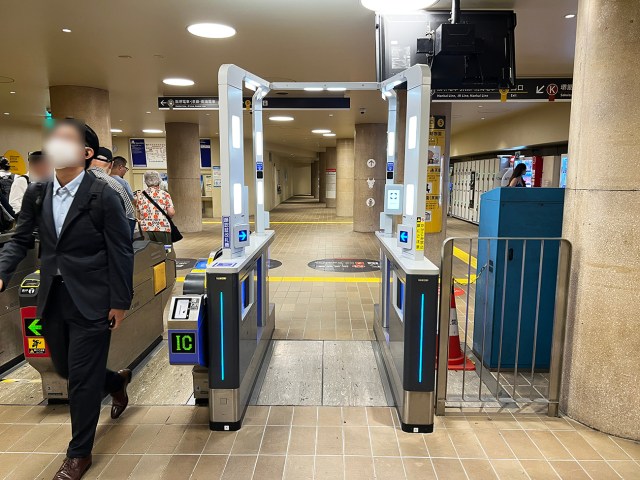
▼ The bars above the ticket gate made it look like an airport security checkpoint.
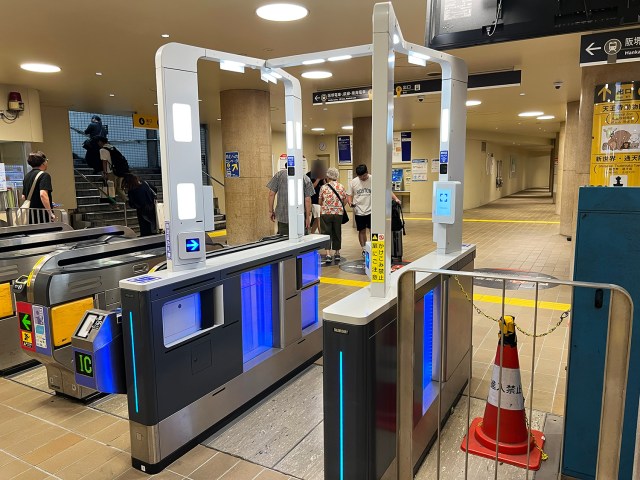
Though Seiji had never seen a gate like this before in real life, it’s not the first of its kind, as the technology was introduced at two stations on the Tobu Tojo Line in Tokyo in July.
▼ In Osaka, you can find them at Dobutsuen-mae Station and Namba Station as well.
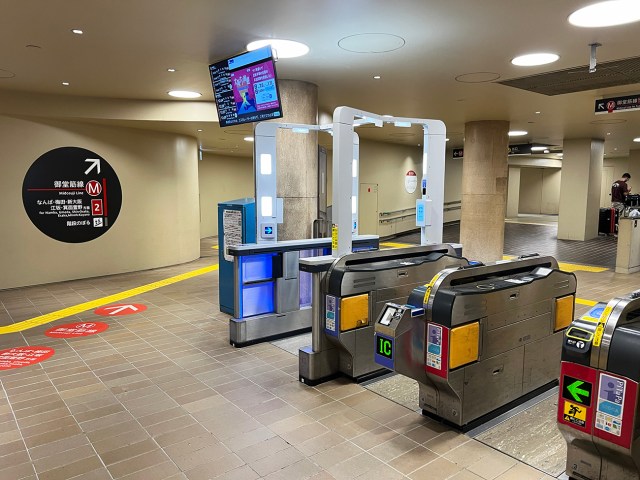
As Seiji stared at the contraption, he hoped someone might use the gate to help give him an idea of how it might work, but it seemed like everyone had the same sort of reservations about the system as Seiji.
Taking a closer look at the instructions posted at the gate, Seiji suddenly realised why it wasn’t so popular. In order to use it, you need to register as an “eMETRO member” and record your facial image data, which is something a lot of people are yet to feel comfortable doing.
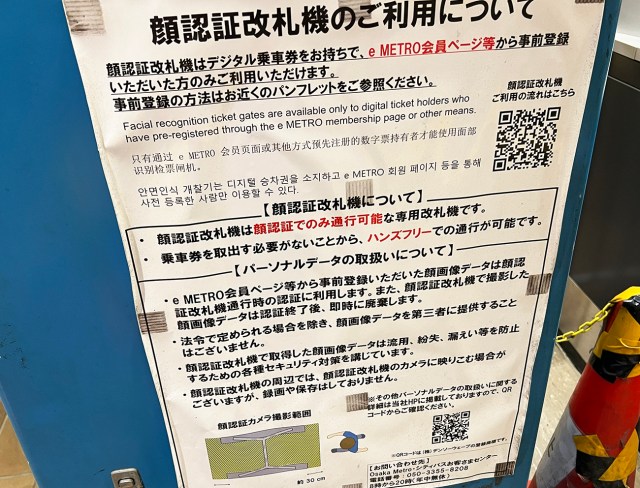
Reading further, Seiji realised that in addition to registering your personal details, and your facial features, you also have to “Set your facial image on your digital ticket.” Seiji was totally stumped by this, as he had no idea what a “digital ticket” was. The process was already looking so complicated that he understood why people might want to give up at this point, but he decided to persevere, for the sake of journalism. After completing the member registration and facial-image registration on the eMETRO website, he headed over to a station attendant to ask about the final “digital ticket” step.
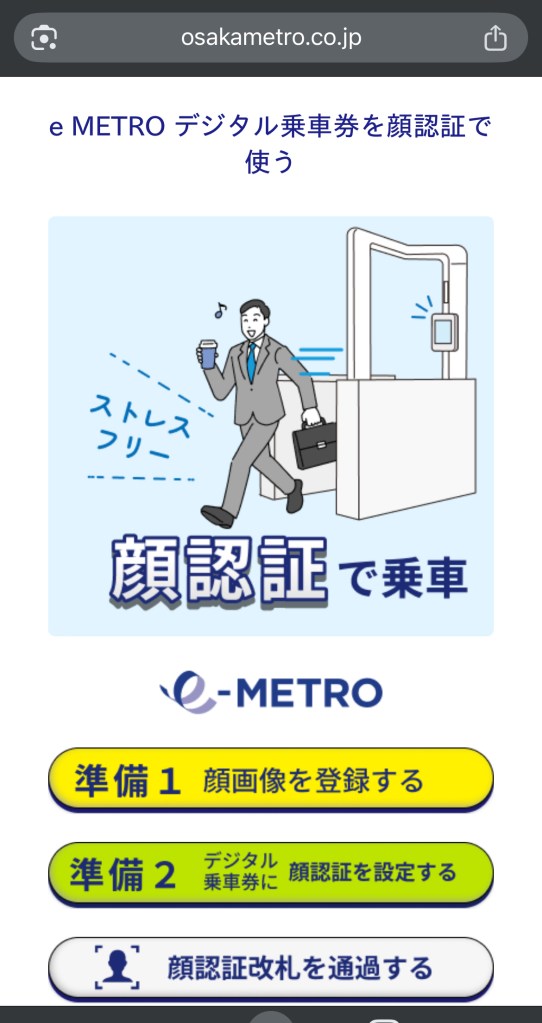
Upon asking staff for help with the digital ticket, the attendant said, “Facial recognition, huh? I’m not really sure about that”, and started rummaging around through some materials at the back of his workspace. He then handed Seiji a sheet of paper explaining how to register for facial recognition and, as if feeling apologetic about not being able to help further, he said, “Sorry, but take a look at this.”
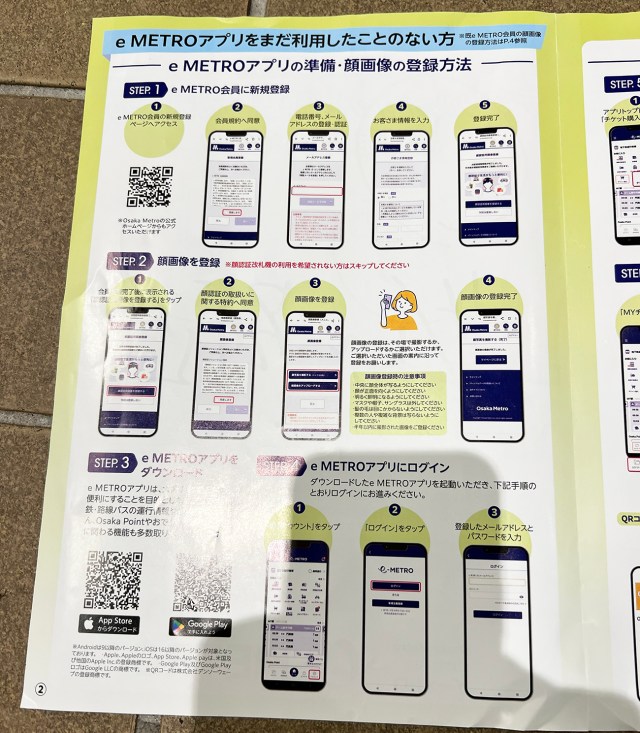
Seiji flashed him a thankful smile, but inside he felt this was all falling flat. If the railway employee didn’t know anything about it, would Seiji really be able to set this thing up on his own? Feeling slightly overwhelmed, he took a breath and studied the pamphlet, only to find that he now needed to install the eMETRO app.
▼ Begrudgingly, he installed the eMETRO app.
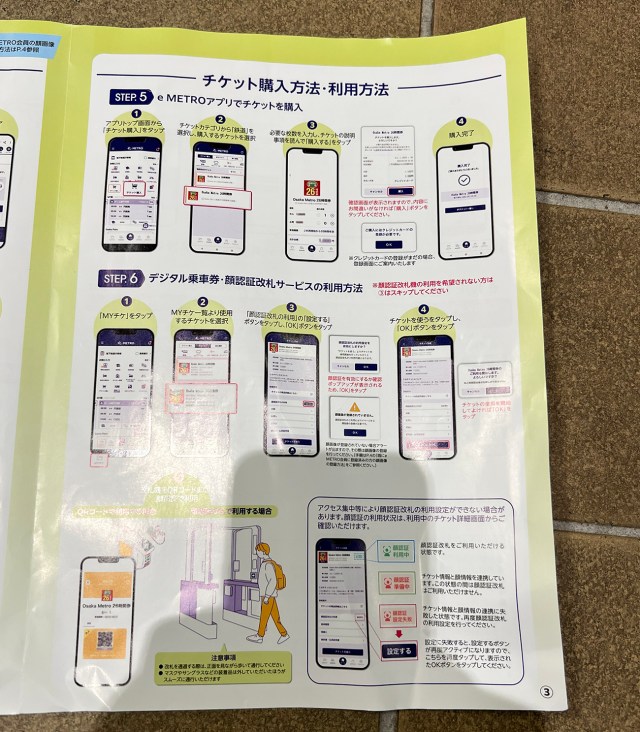
Finally, the true nature of the digital ticket was revealed. It’s not a pay-as-you-go system like a transit IC card – instead your facial data needs to be linked to one of the metro’s unlimited-ride passes, like its “26-hour unlimited ride pass” for 1,000 yen (US$6.34).
Every step of the process seemed annoyingly complicated. Taking more deep breaths to help maintain his patience, he went to purchase the 26-Hour Ticket…only to find he needed to register a credit card to complete the purchase.
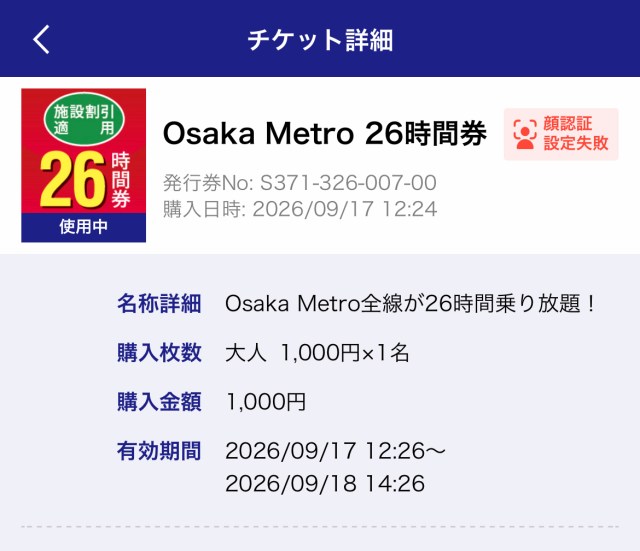
After what seemed like forever, Seiji was now at the final stage. Having completed all the necessary steps to use the system, all that was left to do was enable the “Use facial-recognition ticket gate” setting in the ticket details, and he should now be able to pass through with just his face.
▼ The time had come! LEEEET’S GOOOOOOOO!!!!!
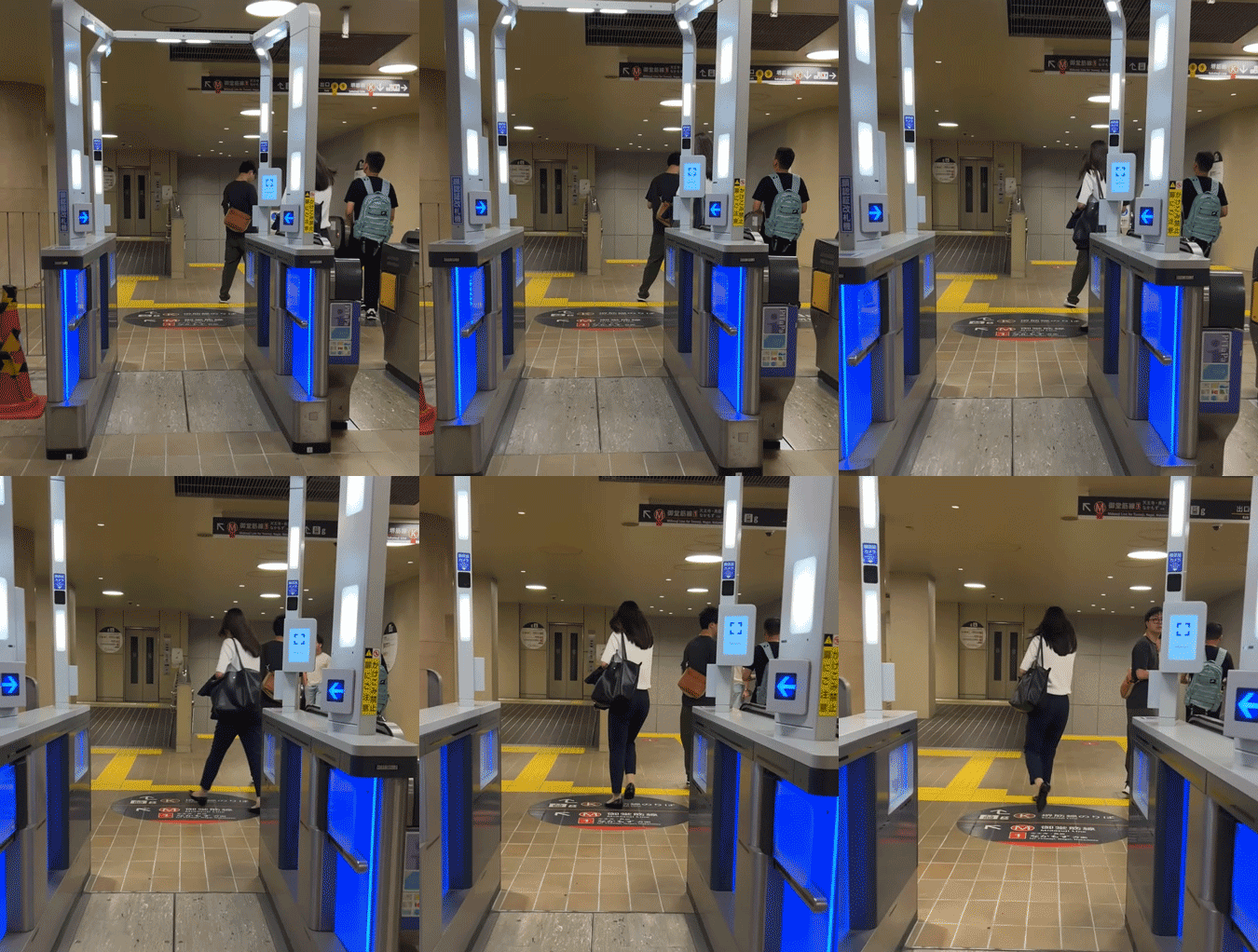
Entering the gates, Seiji felt his sense of elation come crashing down to earth, as the ticket gate stopped him in his tracks with a big x and the message: “Authentication failed”
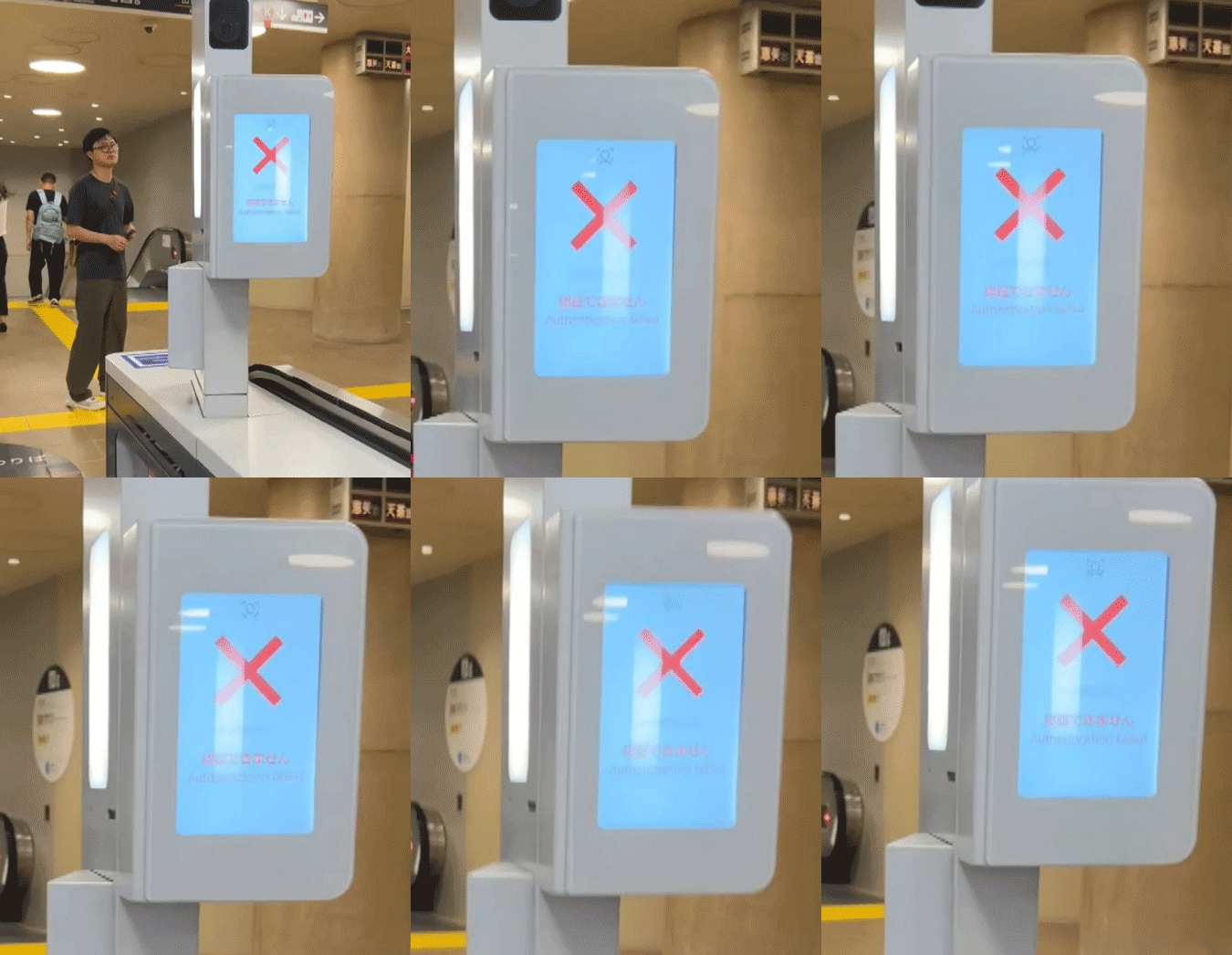
▼ “You mother#*@%!!!”
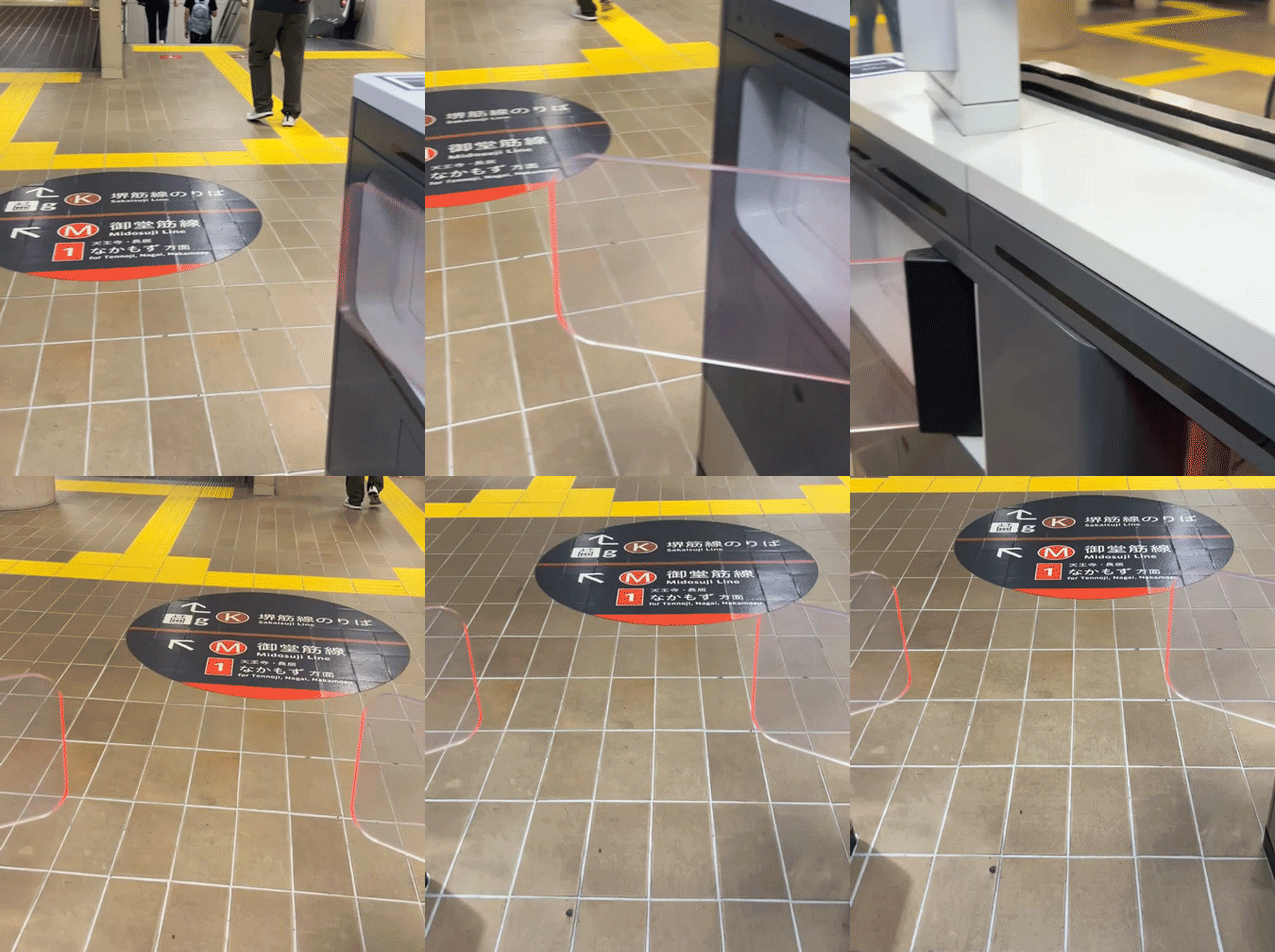
SeijI was overcome by a sudden urge to kick the acrylic door that snapped shut in front of him. After going through the painful signup process, why was he now being denied?! Calming himself down to take a closer look at the ticket details, he saw that “Facial recognition setup failed” was being displayed in red in the upper right corner.
He took another look at the pamphlet the station attendant had given him, and saw a note in the corner that said: “Facial recognition may not be available due to high traffic or other factors.” The same thing was written on the display, so Seiji figured the button should automatically become active again after a few moments, allowing him to enter once more. However…
▼ …no matter how many times he tried to go through, it just wouldn’t work.
He tried at least six times, and despite leaving time between attempts, every single one failed. After looking at the timestamps on the photos he’d been taking, he realised he’d spent about an hour and 20 minutes trying to get himself through the gates, and with his energy now depleted, he finally gave up and passed through the gate beside it, using the transit card on his phone nstead.
So, in the end, Seiji never got to step into the futuristic cyberpunk anime world of his dreams. One person did, though, because while Seiji was grappling with the signup process, he saw an individual walk through the gate like it was second nature. It proved to him that the system does actually work for those who’ve set it up right, and it also gave him a tantalising glimpse of how seamless the procedure is. The walk-through was blink-and-you’ll-miss-it fast, so much so that Seiji reckons you could practically sprint through the gates without slowing down.
Disappointed that he couldn’t try it firsthand, Seiji felt a pang of regret over the whole experience, and the 80 minutes he’d lost on it. The registration process is so complicated and time-consuming that he now knows why gates like this remain largely unused.
Rather than speeding up the flow of passengers, the gate stands quietly, like a display piece in a showroom, taking up space that could otherwise be used by card-carrying passengers. Although the technology is there, humans are yet to embrace it, and Seiji says that until the app becomes more user-friendly, the situation is likely to stay that way.
Perhaps one day when he’s feeling up for it, Seiji might attempt to use these gates again, but for now, he won’t be showing his face there again.
Images ©SoraNews24
● Want to hear about SoraNews24’s latest articles as soon as they’re published? Follow us on Facebook and Twitter!
[ Read in Japanese ]