
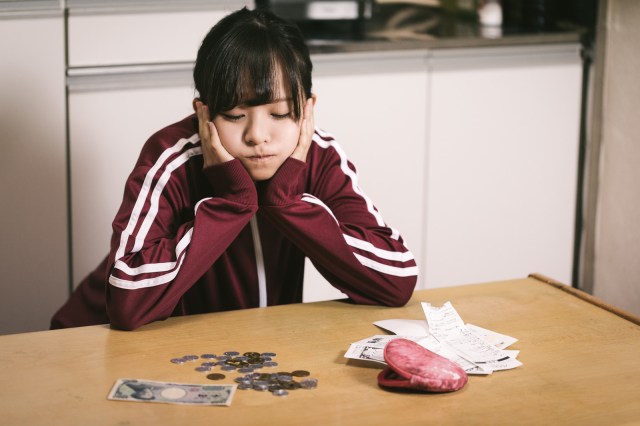
Young women in Japan are experiencing serious financial trouble.
Life in Japan can be tough in many ways–long hours at the office and overcrowded trains being two of the biggest difficulties–but with the country being so clean and the crime rates so low, you would think that poverty isn’t really an issue in the country. Unfortunately, it is — it’s just a hidden problem.
The cost of living is high in Japan, especially in Tokyo, because amenities that might be considered basic in other countries, like fruit, education, and even the process of moving into a new apartment are expensive. In fact, according to a recent survey done by financial news site Money Book, single women in their twenties are especially struggling to stay afloat, with more than 50 percent of respondents claiming that money is tight.
The survey is part of an endeavor to see how well the government’s efforts to reform the work environment and help promote women in the workforce are working. 350 twenty-something women from across Japan were surveyed about their work, salary, and expenses, and the results were pretty interesting. To start with, when asked about their salaries, 49.9 percent of respondents were earning less than 200,000 yen per month (US$2,094.38).
For reference, the rent of a decent one-room studio apartment in Tokyo usually starts at about 70,000 yen per month, but can go up to 100,000 or more, depending on location, size, and quality. At that rate, a salary of 200,000 yen could be pretty tight. You could make it on far less, but you would have to sacrifice a lot of the things that you enjoy. In fact, the average monthly expenses for these women came out to 143,685 yen, with the largest number of women (28.6 percent) reporting that they spend between 100,000 and 150,000 yen every month on bills and necessities.
(“Monthly expenses” included rent, utilities, phone bills, transportation, pension and health insurance payments, debt repayments, and food, as well as hobby expenses, beauty care, and other miscellaneous expenses, but not, seemingly, things like entertainment and eating out.)

Budgeting experts generally recommend that you designate 50 percent of your salary to rent, bills and necessities, then 20 to savings and 30 to “wants” like shopping or hobbies or other things you do for fun. But Japanese women appear to be putting more than that recommended number to bills, which might be a reason why they feel like money is tight.
Furthermore, 21.2 respondents reported that their expenses exceeded their income, meaning that their net income was less than zero. This likely means that they’re using credit cards to make ends meet, which is a dangerous habit. Coupled with the 14.6 percent who said their net income is between zero and 10,000 yen, that means a good third of this sample population is not able to put aside any money for savings.
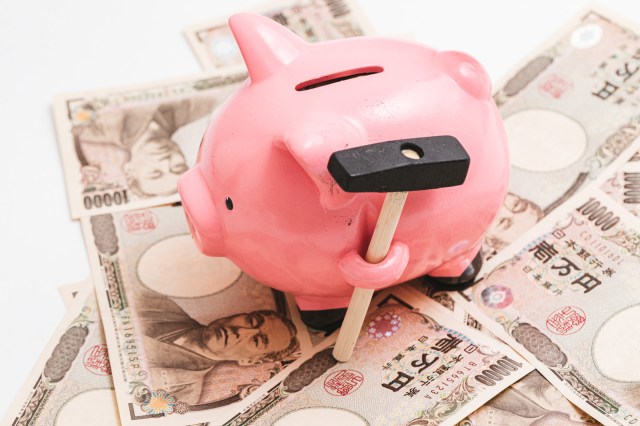
The women work in different industries, but a large proportion, 33.5 percent, work in offices, including government work, sales, office administration, planning, reception, and data entry. 13.3 percent work in the service industry (sales clerks, cash register operators, etc), and 9.5 percent work from home. But of those working women, 36.6 percent said that they have more than one job, which seems to imply that, even working two jobs, many women are struggling to make ends meet.
However, according to Akirako Yamamoto of FP Woman, a financial planning company, this could be less sinister than it seems. There is a large pay gap between women in their early twenties and late twenties, she says. As younger women graduate from college and become fully fledged members of society, taking on full-time work, they begin to earn more than their younger counterparts, who are generally working part-time jobs to earn pocket change while in college. Yet still, those women who are working multiple jobs are doing it to supplement their low incomes, which is a significant point to keep in mind.

While these statistics all paint a general picture of these women’s lives, one question really honed in on each of the women’s personal experiences: “How do you feel about your monthly income and expenditures?” While about 43.4 percent of respondents feel okay with their financial situation, with 11.4 percent saying, “I’ve got plenty of wiggle room” and 32 percent saying “I’m doing fine”, the majority don’t feel comfortable with their finances.
47.1 percent said “Money is a little tight” and 9.4 percent said “Money is very tight”. Some participants also added responses like, “I can’t seem to get a permanent full-time job, so I’m worried about my employment/income”, and “No matter how much I work I can’t earn enough to offset my expenses”. Others talked about how this has affected their lives: “I’ve stopped carrying my bank card and credit cards around and am trying not to spend money”, and “I gave up my hobbies and lost friends because I stopped going out with them.” Through the answers provided in this survey, it’s clear that some women in their twenties are struggling to manage their rising expenses.
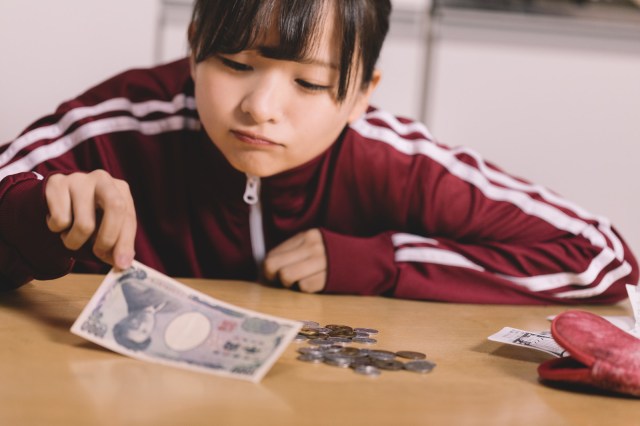
While this is a small sample study, it still paints a pretty dismal picture for women, who seem to regularly face discrimination in the hiring process and in the workplace itself. We can only hope that the results of this study will lead to policies that will help make life easier for women in Japan, because finding solutions for female poverty could also result in fixing a myriad of other problems in Japan, including the declining birth rate.
In the meantime, however, we may have stumbled upon one reason why young women tend to prefer marrying rich men and becoming housewives over staying in the workforce: working doesn’t appear to yield nearly as much reward as marrying rich.
Source: Canvas via Nico Nico News via My Game News Flash
Top image: Pakutaso
Insert images: Pakutaso (1, 2, 3, 4, 5)
● Want to hear about SoraNews24’s latest articles as soon as they’re published? Follow us on Facebook and Twitter!