Nothing to shed tears over, really.
From shuttering factory doors to endangering cultural traditions, the effects of the COVID-19 pandemic have been widespread throughout Japan, and naturally criminal yakuza groups have also been impacted operations-wise.
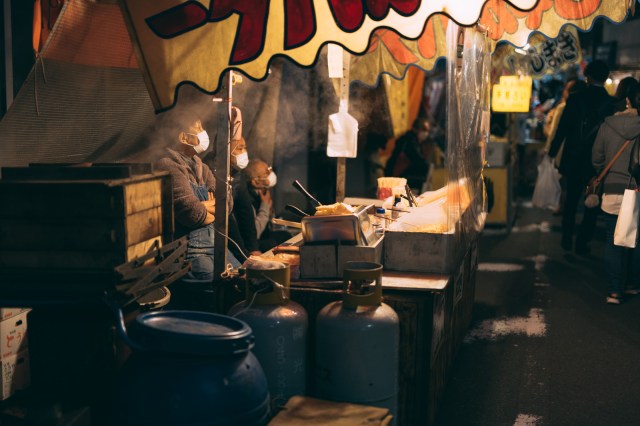
While the infamous crime syndicates are most well-known for making money through illegal means, such as gambling and the black market, one of their legal revenue sources that has been greatly impacted by COVID-19 is their food stalls.
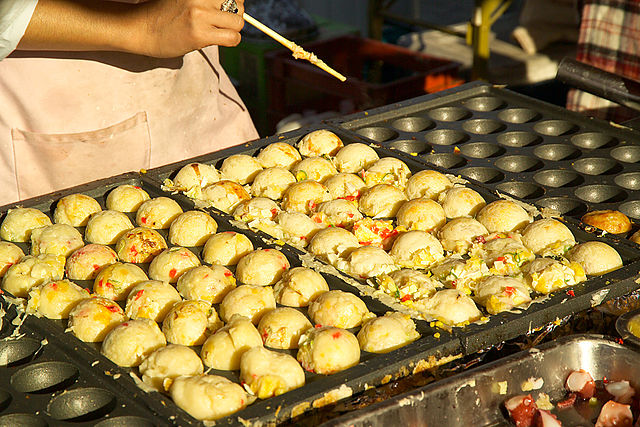
▼ Can I buy these delicious takoyaki in good conscience still?
For some context, food stalls in Japan operate differently compared to other regions of Asia. For example, in countries such as Taiwan, India, and Malaysia, food stalls are mainstays of certain streets and market areas that people regularly eat from.
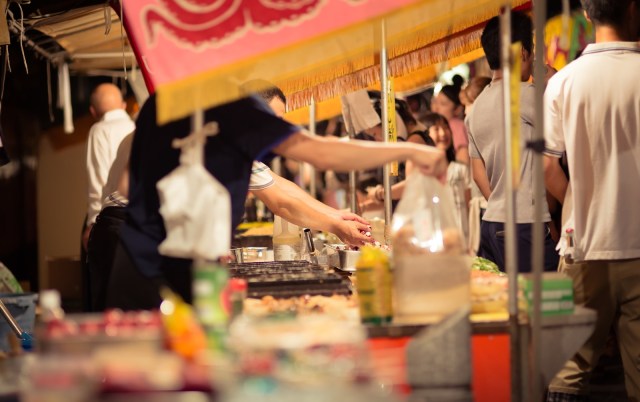
In Japan on the other hand, food stalls are typically temporary vendors, popping up near shrines and temples during special seasonal events such as hatsumode (the first shrine visit of the New Years) and summer festivals. While many of them are simply run by local businesses, some of them are overseen by yakuza groups.
▼ However, due to the pandemic, many of these seasonal events have been canceled,
providing fewer opportunities for folks to set up their stalls.
An interview with a local yakuza leader on Daily Shincho reveals more in-depth details:
“We usually make the most money selling to folks visiting shrines at the year’s end and New Years. But this year cause of COVID-19, it’s become completely impossible. Compared to previous years, our profits are only one-third of what we usually make. The number of operating food stalls has shrunk because of government anti-COVID-19 measures, and in addition to that, the crowds visiting shrines have gone thinner.”
Furthermore, he elaborated on the circumstances if a group decided to set up food stalls regardless of the pandemic:
“Even Tokyo’s Meiji Shrine, which receives the most visitors on New Years in Japan, has shortened our operating hours. No one’s around even at eight or nine at night, which are usually the peak hours. In the past business has always been good but….”
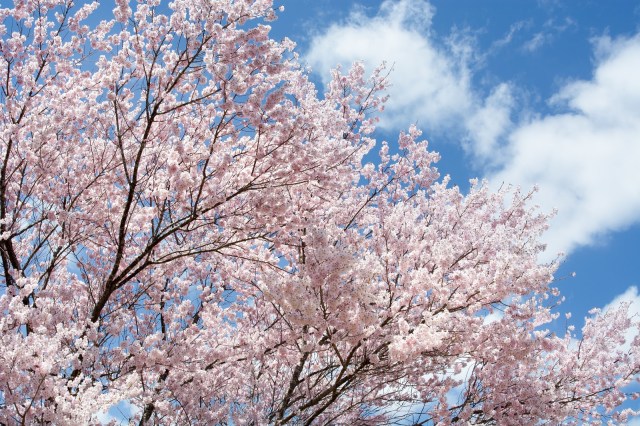
With an overall decrease in sales and Ueno Park canceling its annual Cherry Blossom Festival for 2021, one of the largest hanami events in Japan, this year’s financial prospects are looking bleak, although quite frankly maybe that’s for the better considering the violence these crime groups perpetrate.
▼ Ueno Park also canceled its Cherry Blossom Festival last year,
closing entrances and leaving walkways eerily empty.
Outside of food stalls, COVID-19 has also affected how local yakuza groups operate in general. Considering most of their members are older and more at risk, some groups have suspended their annual end-of-the-year and New Year gatherings, cancelled drinking parties, and avoided working in-person as well.
Only time will tell how yakuza groups will operate in a post-COVID-19 world, though no doubt whatever they do will probably be really fishy.
Source: Daily Shincho via Yahoo! News via Hachima Kiko
Top image: Pakutaso
Insert images: Wikipedia/Fg2, Pakutaso (1, 2)
● Want to hear about SoraNews24’s latest articles as soon as they’re published? Follow us on Facebook and Twitter!
 Is ramune another COVID-19 casualty? Iconic Japanese soda faces plummeting sales and bleak summer
 Japan’s Eel Pie manufacturing sector hit hard by effects of COVID-19
 Several McDonald’s branches closing across Japan due to COVID-19 infections
 COVID-19 turnabout—pandemic in Japan unexpectedly revives, instead of exterminates, a dying art
 Osaka’s iconic giant pufferfish may disappear due to COVID-19
 12-year-old British girl who went missing in Tokyo found safe after visiting anime sites around Yokohama
 Japan’s Rabbit Island in danger of becoming Boar Island, tourists asked to follow feeding rules
 Stay at a hotel with a bed for your plushie in Japan
 Japanese gacha machine in Shibuya now sells tiny capsule terrariums
 Visiting Japan’s muscular mascot character dog at his free museum near Kansai International Airport
 Best burger in Tokyo? JB’s serves up a cheap craft burger that not a lot of people know about
 These Japanese contact lenses let you put anime characters on your eyes [Photos]
 Time-lapse footage shows just how fast rebuilding in Kumamoto can go
 Study finds hundreds of people in Indonesia legally named after Naruto, Inuyasha, other anime stars
 12-year-old foreign tourist missing in Japan, police asking for help finding her [Video]
 Studio Ghibli adds new Jiji’s baby plush toy to its anime merchandise range in Japan
 The Japanese city where ordering grilled chicken doesn’t guarantee you’ll actually get chicken
 Japanese airlines set to cut fuel surcharges for international flights in September and October
 Beautiful off-the-beaten-path spot near samurai castle in rural Japan looks like a Monet painting
 Tokyo sweets store has a “350% Pudding Soft Serve”, and people are going wild for it
 Tokyo subway installing new ticket gates that don’t accept payment through Suica or other IC cards
 New Shinkansen luggage drop-off system begins in Japan, making train travel even easier
 Japan now has human refrigerators inspired by Japanese vending machines
 Air-conditioned dress shirts arrive in Japan to save working professionals from sweltering heat
 Japanese Shinkansen becomes an overnight hotel for three nights this summer
 Hatsune Miku collaborates with Hokusai’s art in new Vocaloid ukiyo-e illustration series [Pics]
 Studio Ghibli releases anime T-shirts that pay homage to one of Hayao Miyazaki’s most personal films
 Pokémon Center Online designates first Pokémon items that will require Japanese ID card to buy
 Japanese toilet aims to attract foreign tourists but not everybody is happy about it
 Japan announces sudden 400-percent increase in visa fees for foreigners entering the country
 Japan’s human washing machines will go on sale to general public, demos to be held in Tokyo
 Studio Ghibli has a new anime out, and there’s only one place in the world where you can see it
 Starbucks Japan releases new drinkware and goods for Valentine’s Day
 Starbucks Japan releases new sakura goods and drinkware for cherry blossom season 2026
 Japan’s newest Shinkansen has no seats…or passengers [Video]
 Japanese ninja certification exam attracts 131 candidates from Japan and abroad
 Salomon releases Japan-exclusive Mt. Fuji hiking gear that doubles as an amazing souvenir
 Put sesame oil in your coffee? Japanese maker says it’s the best way to start your day【Taste test】
 74-year-old Japanese politician starts Instagram account for open dialog about COVID-19
 COVID-19 appears to be suppressing the flu in Japan, number of cases down and decreasing
 Over 500 karaoke boxes close due to Covid-19, dealing historic blow to the industry
 Japanese soccer team fined 20 million yen because fans’ cheering violated COVID-19 guidelines
 Fuji Rock Festival to send free COVID-19 test kits to all ticket holders
 Japan’s beloved Zima discontinued after sales hurt by COVID-19
 Japan’s child-eating ogres prepare COVID-19 preventative measures for upcoming New Year’s Eve
 Oldest ryokan at Japanese onsen resort goes bankrupt due to coronavirus
 Chief Cabinet Secretary Kato asks China to stop anally testing Japanese visitors for COVID-19
 Goodbye katanuki? Japanese festival game may go extinct thanks to the pandemic
 Kyoto’s annual giant mountain bonfire displays drastically reduced in 2020
 Coming of Age Ceremonies in Tokyo changing form due to COVID-19 State of Emergency
 Government plan has everyone talking about a 17-day-long New Year holiday
 Statue of comedian Ken Shimura erected a year after death from COVID-19
 Company uses empty buses to create giant maze after tours drop due to COVID-19【Video】