The slow life isn’t always the easy life.
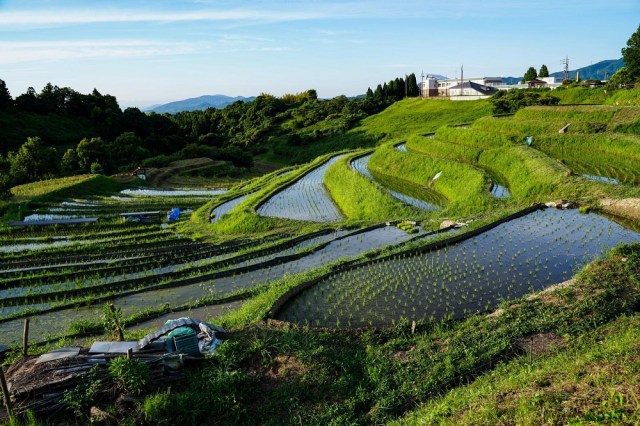
There’s an undeniable appeal to the idea of living in the Japanese countryside, to the slow-life rhythm of sipping tea while sitting on the tatami reed floor of your traditionally styled house, walking through rice paddies and bamboo groves on your way to visit the local shrine, and exchanging warm greetings and freshly harvested mandarin oranges or sweet potatoes with your neighbors.
However, the reality of living in the Japanese countryside doesn’t always match up with the idealized image of the lifestyle. Japanese real estate company AlbaLink recently conducted a survey of 458 people who’ve moved to the countryside, asking them what aspects of rural life in Japan they only understood the full drawbacks of after making the move.
The top answer, chosen by 35.8 percent of the study’s respondents, was “inconvenient transportation.” Yes, Japan has some of the world’s best urban public transportation systems, and outstanding rail and bus networks in many of its suburbs too. It’s a different story in the countryside, though, where the nearest train station might be an impractically long walk away. Bus routes are limited and service is often infrequent, with only a few buses each day potentially meaning an hours-long wait if you missed the one you wanted to get on, and the last bus of the day could be in the early evening. Taxis can be hard to come by too, as many communities don’t have enough residents to warrant their own local operator, and not all companies will be willing to dispatch a cab for a pickup two or three towns over, so in many parts of rural Japan, you’ll need your own car (and thus a Japanese driver’s license) to lead a full life.
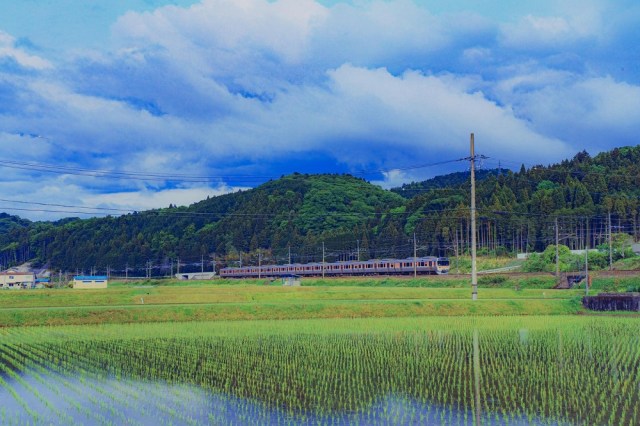
▼ It might be a very, very long time until the next train comes by here.
The number-two complaint among those who’d made the move to the countryside was “annoying interpersonal interactions,” chosen by 29.7 percent. Having fewer people in the community often results in people having an especially keen interest in what everyone else is doing, and social boundaries and respect for others’ privacy aren’t always present to the same extent as in the big city, as shown by some of the survey participants’ comments.
“Rumors spread from house to house really quickly. There’ve been more than just a few times where totally untrue stories about me made their way around the entire neighborhood and people gave me cold looks.”
“I didn’t expect that I’d have so many close-contact interactions with strangers, and it was pretty hard on me.”
“People would just walk right into my property and casually ask private questions like ‘Are you planning on having children in the future?’ It was really bewildering at first, and almost felt like some strange form of harassment.”
Rounding out the top five tough parts of life in the Japanese countryside were “a lack of shopping facilities” (21.2 percent), “colder weather than I’d imagined” (10.7 percent), and “large amounts of snowfall” (10.3 percent). Regarding the weather-related ones, since most of Japan’s urban development is on the country’s coastal planes, living in the countryside often means living in the mountains, which have longer/more severe winters. That extra snow becomes a hassle, or even a danger, to deal with since the lack of public transportation results in more time spent walking or driving through icy conditions. Other grumbles included how often bugs manage to find their way into your home and the amount of time and effort needed to keep your property’s garden/vegetation maintained and trimmed, all of which become bigger issues the farther into the countryside you get.
Though the survey stopped short of asking participants if they overall regretted moving to a rural community, 26.4 percent of them did say that they wish they’d tried out the country lifestyle on some sort of trial basis first, and then decided whether or not to make the move. Considering what a large commitment making a permanent move is, giving yourself a preview through a homestay program or long-term house rental seems like a smart plan, since it’ll help you learn if you’d really enjoy living in the Japanese countryside, or if you’d be happier just visiting it from time to time.
Source: PR Times, AlbaLink
Top image: Pakutaso
Insert image: Pakutaso
● Want to hear about SoraNews24’s latest articles as soon as they’re published? Follow us on Facebook and Twitter!