The rise in the entry fee comes amid an increase in public bathhouse users in Tokyo and a decrease in the total number of sento.
The Tokyo Metropolitan Government has announced that the maximum entry fee that can be charged by sento, Japanese public bathhouses, will increase by 50 yen to reach 600 yen (US$3.66) per adult (ages 12 and up) in Tokyo Prefecture. The fee for children ages 6-11 and those under 6 will remain the same, at 200 yen and 100 yen respectively. The new fee will go into effect on August 1.
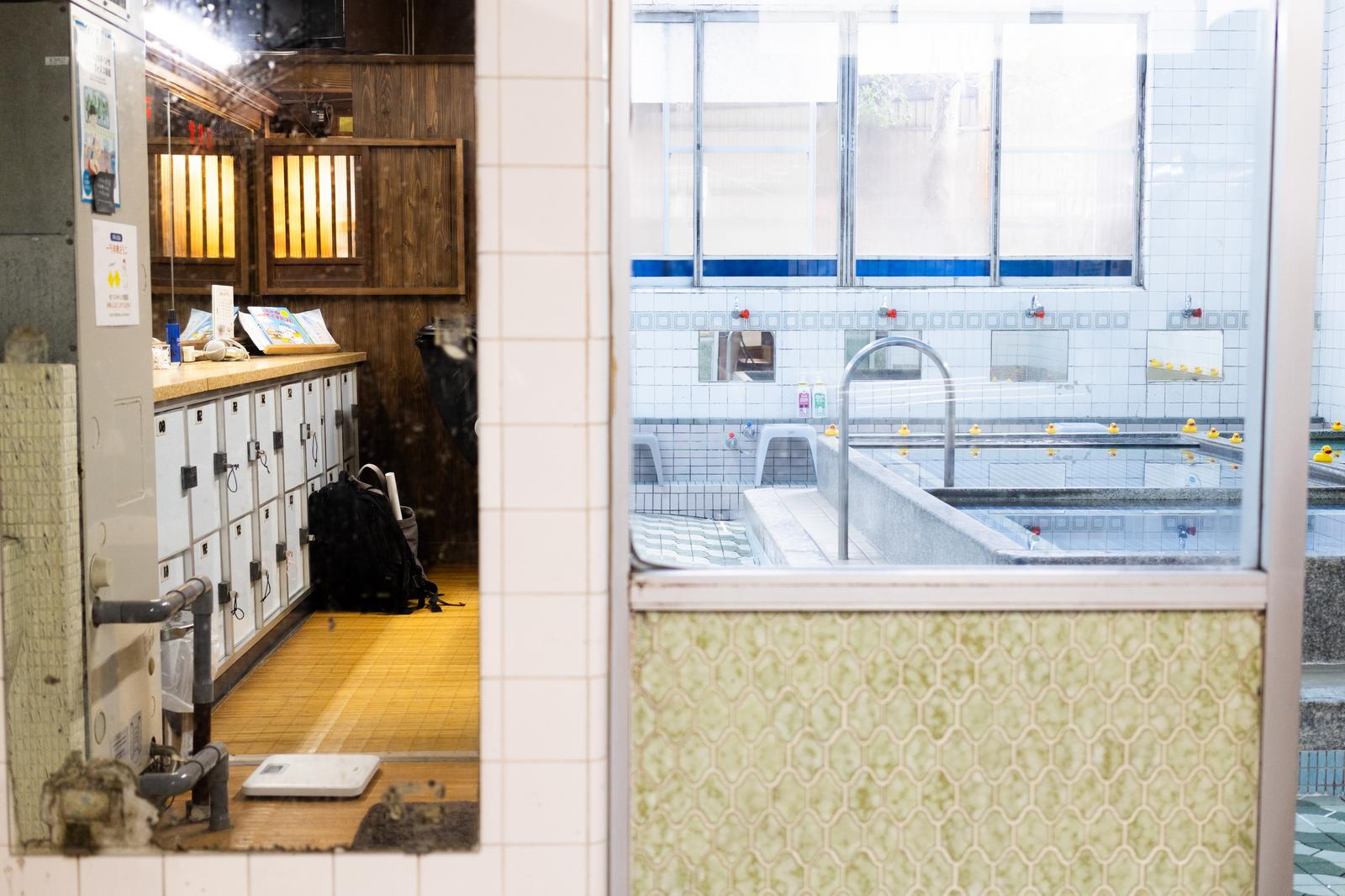
Sento have played an important role in Japanese society historically and through the present, serving not only as critical places for residents without their own private baths to clean themselves, but also as communal gathering spots for the neighborhood. Even though most modern Japanese homes now have a private bath attached, many residents may still visit a local sento once or twice per week for the chance to socialize with their neighbors. Also, for those wondering how sento differ from onsen in Japan, the former generally use heated tap water while the latter use naturally heated water from a hot spring.
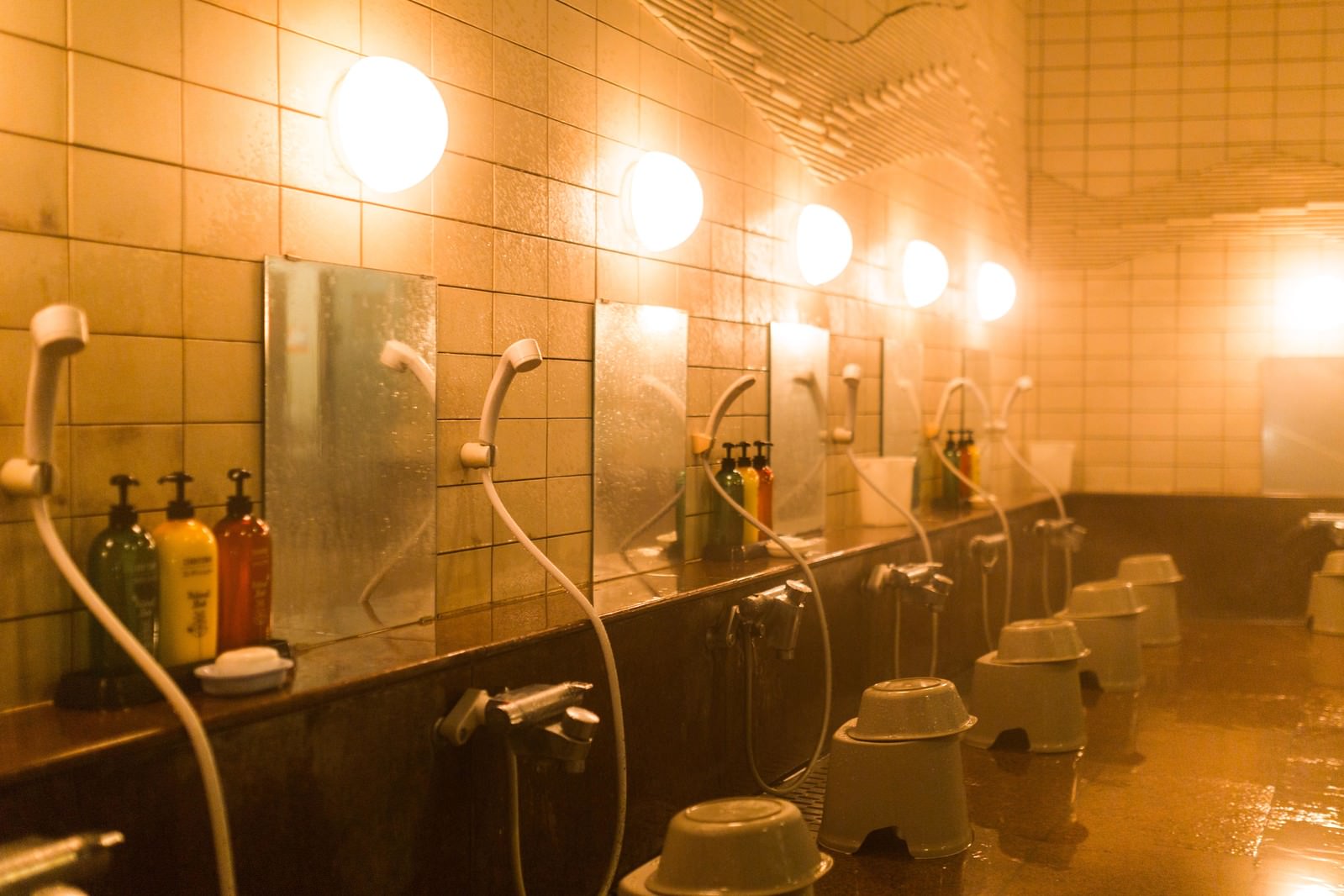
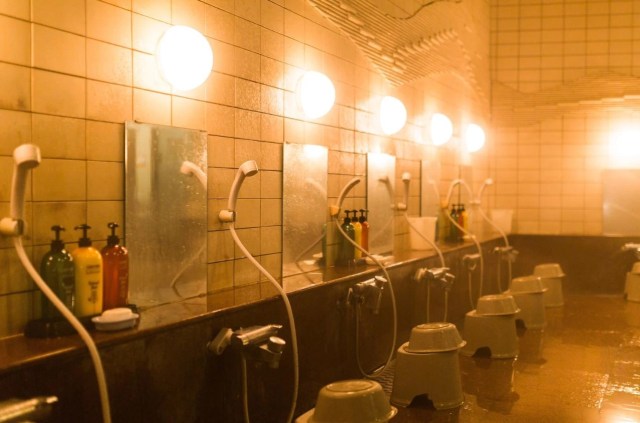
▼ Japanese bathing etiquette dictates that before entering a communal bath, visitors must washes themselves at the low showers lining the wall of the room. The bathwater is for soaking and relaxing, not cleaning, as it may be in many Western cultures.
This change in the maximum chargeable entry fee for sento in Tokyo Prefecture is the first price revision since August 2024, when it went up by 30 yen. There’s a regulated process to change the maximum entry fees for each prefecture, as dictated by Japan’s Prices Control Ordinance which involves a council of sento managers and users who take into account the necessary costs to run a sento and the appropriate business renumerations. Most recently, this council examined the financial records and accounting books of approximately 40 sento from this past year to estimate their income and expenditures. Its research determined that rising costs of labor, electricity, and gas have resulted in a deficit of 1,949,778 yen, including appropriate business renumerations. It then calculated that a 9.51 percent rate increase was necessary, and in order to keep the entry fees the same for children, that meant that the fees for adults needed to be bumped up to 602.86 yen per person.
Interestingly, this increase comes as the number of sento users in Tokyo Prefecture is actually growing, with an increase of 330,000 people compared to last year for a total of 21,185,000 sento users. At the same time, the total number of sento in the prefecture has decreased by 13 for a total of 417. The jump in sento users is possibly the result of a growing number of young people and foreign workers moving to large cities like the capital as well as a dose of nostalgia for old Japan.
Source: Nikkei via My Game News Flash, Impress Watch
Top image: Pakutaso
Insert image: Pakutaso
● Want to hear about SoraNews24’s latest articles as soon as they’re published? Follow us on Facebook and Twitter!