
To serve and protect.
Convenience store workers really don’t get enough credit. Often working for minimum wage, they have a wide array of duties, including sales, banking, postal services, and photocopier technical support, to name a few. But they’re also on the front lines of protecting people from increasingly rampant fraud in Japan.
The reason for this is that in cases of “special fraud” (tokushu sagi), scammers often ask for payment in the form of electronic currency that can be acquired through prepaid cards sold at convenience stores. These cards can be convenient ways to make online purchases for those who don’t have or would rather not use credit cards, but they require a fair bit of technical know-how to use.
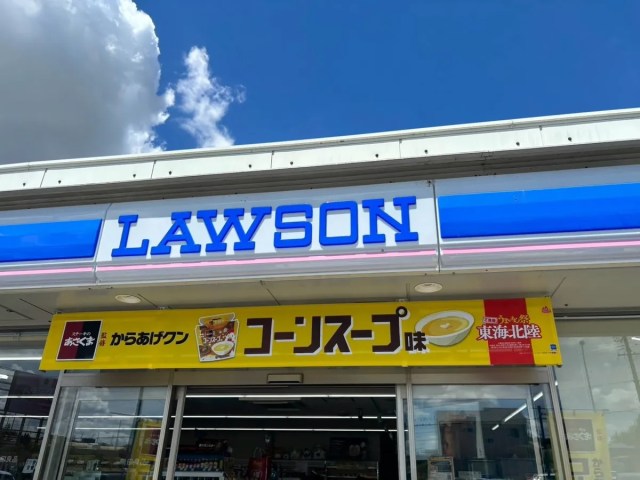
So, when a convenience store clerk spots an elderly person fumbling their way through buying some WebMoney cards, they tend to get suspicious. That’s what happened on 22 July at a Lawson store in the city of Tomigusuku, Okinawa.
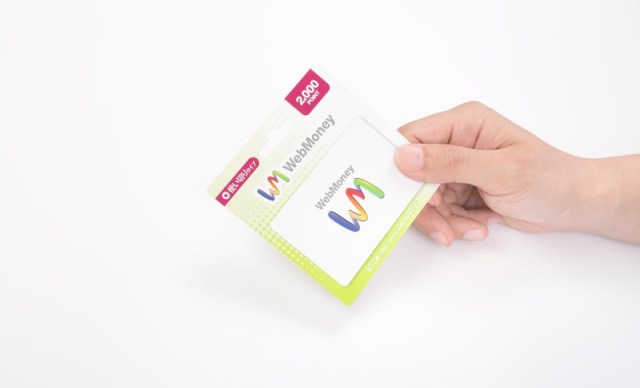
An elderly customer who was a regular at the store came in and seemed noticeably more erratic than usual. The women behind the counter, Yoshie Sawada and Naomi Takaesu, talked to the man, who told them he had won 700 million yen and needed to purchase a prepaid e-currency card worth 3,000 yen to cover the “handling fee.”
The man also showed the workers the message he received on his smartphone, and they could immediately tell it was a scam. However, when they tried to convince him of this, he refused to hear it, telling them: “I won. It can’t be a scam.”
Finding it hard to disprove the man’s logic that didn’t exist in the first place, the two women kept him in the store and called in the police, who eventually explained the situation to him. The women were worried the man would just go to another convenience store if he wasn’t convinced then and there, so did what they could to make him see the light.
In response to their heroic efforts, Sawada and Takaesu were given letters of appreciation by the Tomigusuku Police Department. Police Chief Yoichi Ohama said the women’s “cool-headedness and sense of justice, combined with the store’s high degree of awareness, resulted in the prevention of financial loss.”
Many readers of the news were sympathetic to the victim, while others shared their own stories of attempted scams, showing just how widespread the problem has become.
“I got home from work last night and checked my answering machine. There were two messages telling me how to transfer my money. Seems like having a landline is more of a risk than a benefit.”
“It is kind of weird how you have to pay transfer fees even for a real lottery.”
“I don’t trust anyone, so I’m fine. But it must be hard for those who do have faith in people.”
“They saved that guy, but I wonder how many victims there are out there that don’t make the news.”
“Did the guy think he entered a contest or lottery for 700 million and just forgot about it?”
“That must have been hard for the staff. The guy probably thought they were the ones trying to scam him.”
“I got an email with the subject ‘It’s your real mom.’ It’s like they’re not even trying anymore.”
“If he was into the lottery, he’d know that they always make you contact them when you win, not the other way around.”
“All that for 3,000 yen seems rather small-time.”
Of course, the 3,000 yen was just an initial transfer. Normally, these scams keep the first money request small so the victim is more willing to try even if it seems implausible. Then they string the person along with subsequent requests for money, gauging his trust in them as they go to decide whether to increase the amount and to make up excuses like, “You have to pay this tax” or “You need to open an overseas account to qualify.” The more the person buys into it, the more willing they are to continue, since they’ve already begun sinking money into it.
The thing these scammers rely on the most is finding people who are so desperate they’re willing to look past the obvious gaps in logic simply because they want whatever the offer is to be real so badly. In that way, it seems the best way to reduce these kinds of scams is to improve the overall quality of life for people so they won’t feel the kind of desperation that feeds fraud. Then, we wouldn’t have to burden convenience store workers with this too.
Source: Okinawa Times, Golden Times, Yahoo! Japan News
Images: ©SoraNews24, Pakutaso
● Want to hear about SoraNews24’s latest articles as soon as they’re published? Follow us on Facebook and Twitter!
 Space pilot under attack turns out to be con artist who stole 1 million yen from Sapporo senior
 Foreigner convenience store clerk in Japan saves elderly woman from scammers with quick thinking
 Japanese man who didn’t know how banks work defrauded out of 21 million yen
 Foreign-born convenience store manager in Japan saves elderly customer from being scammed
 Man in Japan told he owes “unpaid adult web site fees,” ends up giving scammers over 100 million yen
 Tokyo ward looking to change lodging laws, ban more than half of its Airbnb-style rentals
 Uniqlo’s sister brand will be waiting with Pokémon sweaters and parkas this fall [Pics]
 Mister Donut releases new sweet potato doughnuts in Japan, and we’ve ranked them from best to worst
 Okinawa man convinced he won 700 million yen by scammers, saved by convenience store staff
 New Transforming Business Card case brings anime mecha to Japanese work meetings
 New Japanese ice cream is Ballin, in more ways than one
 Shinto shrine gate parfaits that tell your fortune now being served in Tokyo
 Tokyo’s red-light district cafe lets you dine inside a real 1960s cabaret
 Lego PlayStation recreates Sony’s original console, makes unusual choice for games to salute
 Studio Ghibli adds new finger puppets to its anime merchandise collection in Japan
 Kyoto temple bans visitors from wearing kimono
 A real-world Pokémon Poké Ball hotel is opening in Japan at a still-secret location [Video]
 Japan’s first fall color forecast for 2026 is here!
 Tamagotchi evolves into a ring for its 30th anniversary, preorders now open
 Starbucks Japan reveals new Tsukimi Moon-Viewing drinkware and gifts for autumn 2026
 Family Mart releases Famima convenience store products nationwide, but which ones are worth buying?
 New Pokémon anniversary song is 22 minutes long, features all 1,025 Pokémon species [Video]
 One Piece Day 2026 brings new art, music, and new cast announcements
 New Japanese convenience store rice balls taste like instant noodles [Taste test]
 12-year-old British girl who went missing in Tokyo found safe after visiting anime sites around Yokohama
 7-year-old boy left behind on Mt. Fuji by his own dad
 Japan’s final Penguin Suica train cards have already shipped, and when they’re gone, they’re gone
 Sushi Bus: Japan’s first conveyor-belt bus lets you eat sushi while sightseeing around Tokyo
 Studio Ghibli unveils new anime calendars and diary planners for 2027
 Study finds hundreds of people in Indonesia legally named after Naruto, Inuyasha, other anime stars
 Japan approves foreign resident visa renewal fee increases of up to 967 percent, starts soon
 Japan tripled its departure tax to fund tourism but is using the money on cherry blossoms and bears
 Solo travel in Japan: Hidden beer garden in Tokyo is a haven for single visitors
 Hobonichi unveils new 2027 planners, diaries and stationery with One Piece, Suica Penguin, Hello Kitty and a must-buy Mini Techo
 Japan announces sudden 400-percent increase in visa fees for foreigners entering the country
 Japan’s human washing machines will go on sale to general public, demos to be held in Tokyo
 Studio Ghibli has a new anime out, and there’s only one place in the world where you can see it
 Starbucks Japan releases new drinkware and goods for Valentine’s Day
 Starbucks Japan releases new sakura goods and drinkware for cherry blossom season 2026
 Japan’s newest Shinkansen has no seats…or passengers [Video]
 Tokyo subway installing new ticket gates that don’t accept payment through Suica or other IC cards
 Japanese ninja certification exam attracts 131 candidates from Japan and abroad
 Salomon releases Japan-exclusive Mt. Fuji hiking gear that doubles as an amazing souvenir
 Put sesame oil in your coffee? Japanese maker says it’s the best way to start your day【Taste test】
 Heroic Japanese convenience store owner saves foreigner from online scam artist
 Thinking she was giving money to Mick Jagger to invest for her, woman conned in Aomori