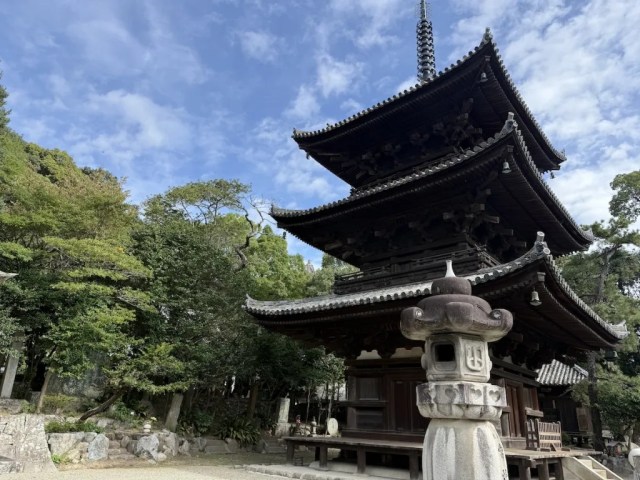
The full pilgrimage takes weeks to complete, but if you’ve got a couple hours, this Matsuyama experience will show you what makes the tradition so special.
The Shikoku Pilgrimage route is, unquestionably, a great Japan travel experience. After all, people have been walking it, tracing the footsteps of famed Buddhist monk Kukai (also known as Kobo Daishi), for 1,200 years now.
However, the full route, which goes all around the island of Shikoku, is also a very time-consuming travel experience, taking roughly six weeks if you do it on foot. Odds are you don’t have that much time, and neither did we on our recent visit to the Shikoku city of Matsuyama in Ehime Prefecture. What we could fit into our itinerary, though, was a 90-minute Pilgrimage Experience Guided Walk which takes you to one of the 88 temples along the route, with guidance in traditional pilgrimage customs along the way.
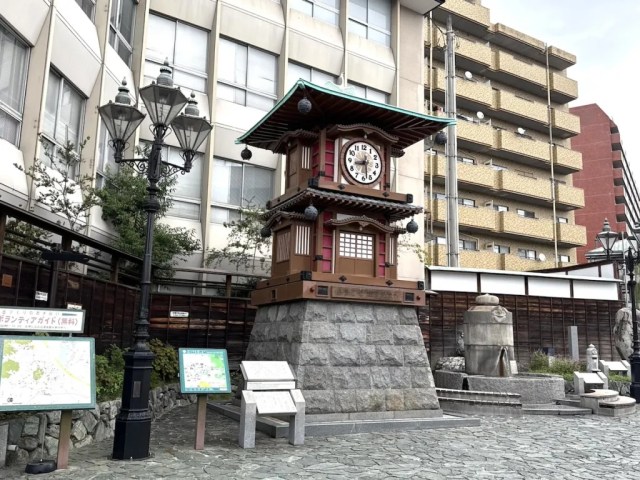
We and the other participants gathered at the pre-arranged meeting point on Matsuyama’s Dogo Shopping Street, not far from the city’s famous Dogo Onsen hot spring bathhouse. There we met our guide, who provided each of us with a sleeveless hakue, the white cloth tunic worn by Shikoku pilgrims, a sugegasa (conical straw hat), and kongozue (walking stick).
▼ There’s no mask that’s part of the outfit, that’s just a little privacy mark.
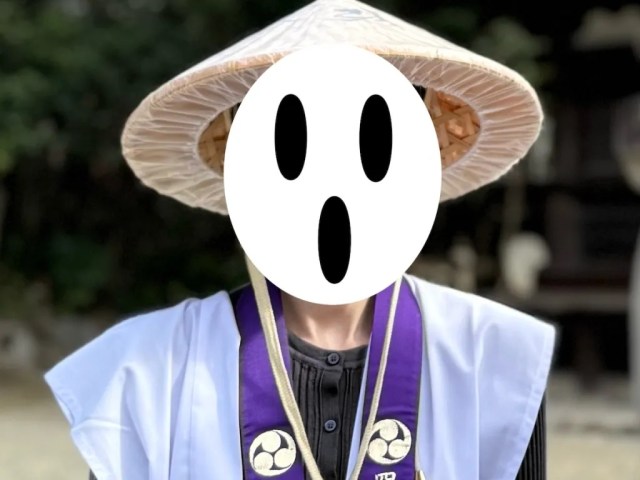
As you might remember from the glowing review from our ace reporter Mr. Sato, Japanese straw hats are surprisingly comfortable, since not only do they keep the sun off of you, their construction means they don’t sit directly on top of your head like a baseball cap or other Western-style hats, providing better air circulation and to help keep you cool, all good things when you’re walking to and from temples.
There’s a more morbid reason for the white tunics, though. The Shikoku Pilgrimage doesn’t present any grave dangers in the modern era, but centuries ago, when you couldn’t just whip out your phone and call for help if you became sick, injured, or lost, embarking on the route carried the risk that you might not make it back home. In Buddhist funeral rites, the body of the deceased is wrapped in a white garment prior to cremation, and the Shikoku pilgrimage tunic is white so that if someone were to meet with an untimely death along the way, they would already by properly dressed for cremation.
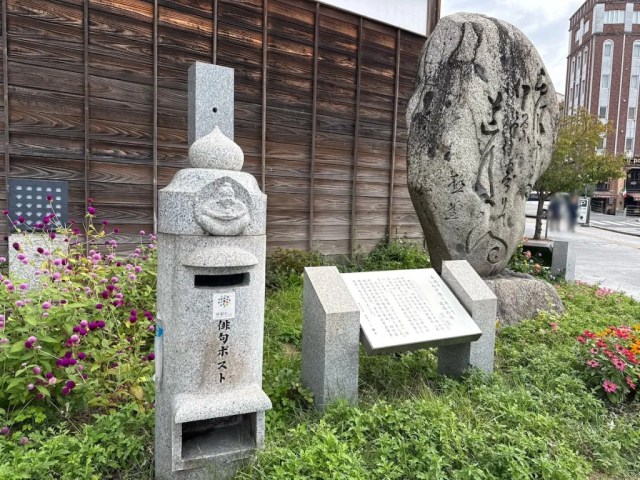
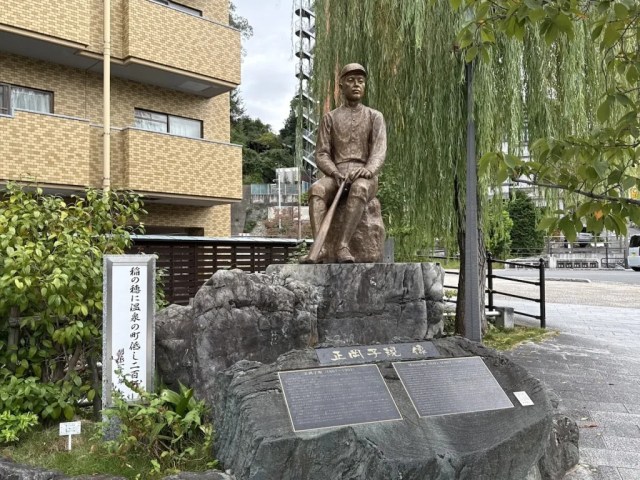
But, to be clear, you won’t be on any mortal danger as part of this guided mini-pilgrimage, in which you walk from Dogo Onsen to Ishiteji Temple, the 51st of the 88 temples on the pilgrimage route. It takes about 20 minutes to reach the temple, and along the way we spotted such quant aspects of the neighborhood as haiku mailboxes in which anyone can submit a haiku poem they’ve written, from which a committee selects the best works every three months for awards. We also saw numerous ashiyu open-air foot baths filled with hot spring water, as well as a statue of Matsuyama-born master haiku poet Masaoka Shiki reflecting his other great passion, baseball.
▼ The guy was also pretty fond of sweet bean bread.
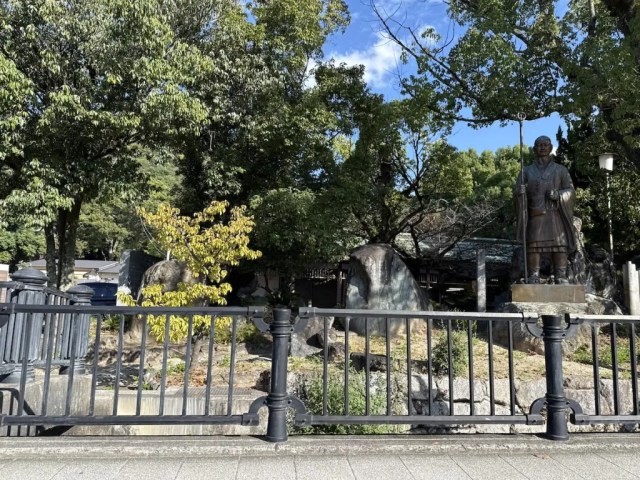
As our group progressed further away from the bustling Dogo Shopping Street, we noticed local residents politely greeting us. “Good morning,” one would say, followed by another encouraging us with “Hang in there.” We asked our guide is these were friends or acquaintances acknowledging us by extension of their relationship with him, but he told us no, he’d never met these specific residents. With the pilgrimage route being such an important part of Shikoku culture, residents have made a custom of showing warmhearted respect to those walking the route, either in whole or part.
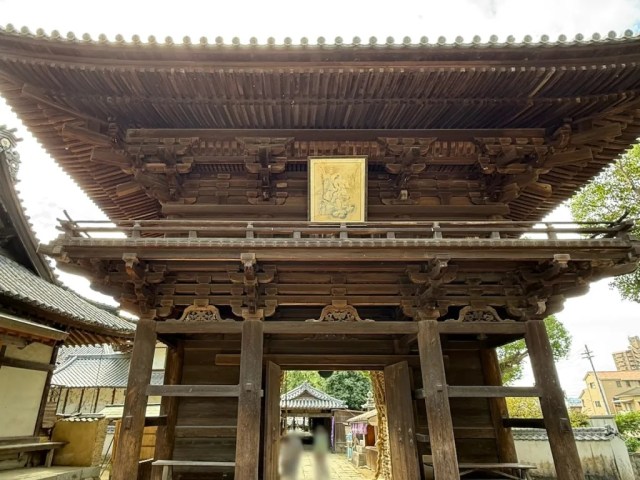
We then reached Ishiteji Temple, where we learned another unique part of Shikoku culture.
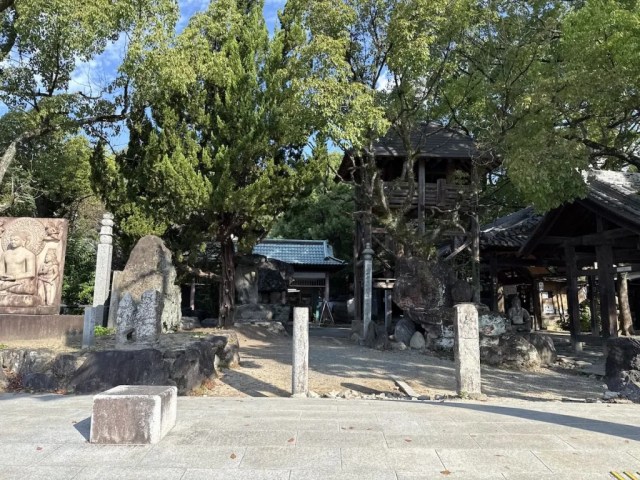
Soon after entering the temple grounds, we came to a stone bridge, and our guide instructed us to be careful not to tap our walking sticks on it as we crossed. This sort of specific prohibition isn’t the norm at temples in Japan, but as the guide explained, it’s connected to Kukai. When he was doing the very first Shikoku Pilgrimage back in the ninth century, Japan didn’t exactly have a robust leisure hotel industry. Sure, there were scattered inns here and there, but a lot of times Kukai didn’t have a roof over his head when he had to make camp for the night, and so he’d often sleep underneath bridges. Because of that, pilgrims should avoid hitting the upper surface of bridges with their walking sticks, as a metaphorical show of respect and consideration to the monk who might have been sleeping below.
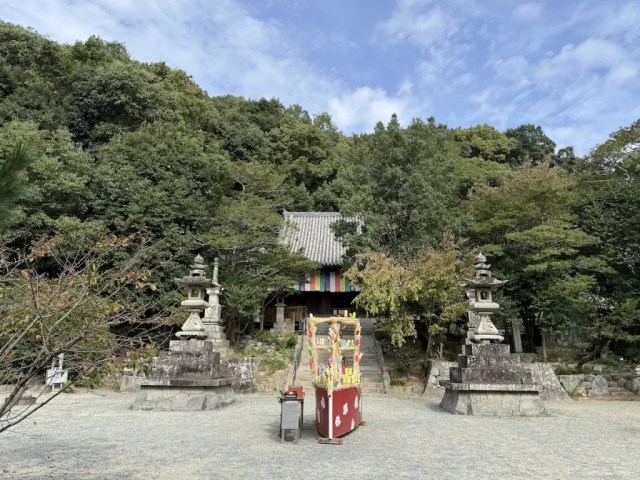
Ishiteji has two halls, where we lit candles and incense. Again, our guide gentle reminded us of the importance of consideration for others on the pilgrimage route, recommending that we place our lit offerings at the highest, farthest back, and most laterally centralized positions, so that those who came after us could place there’s without having to pass their hands over our flames.
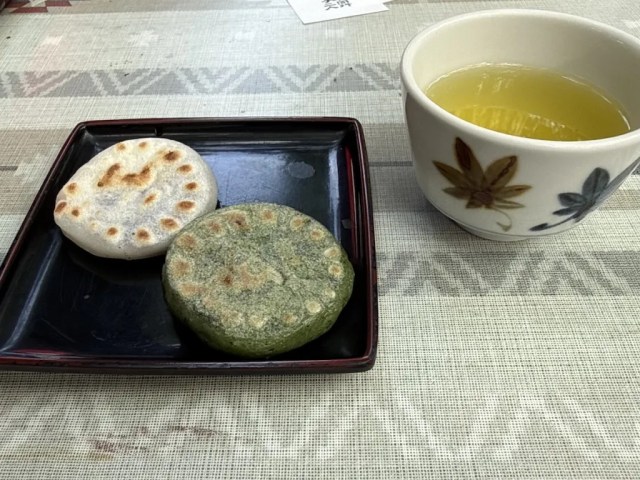
After that, we took a short rest and munched on some roasted mochi, a specialty of the temple that pilgrims have been enjoying for generations, and sipped a cup of green tea, which are offered as a set for 600 yen (US$3.80).
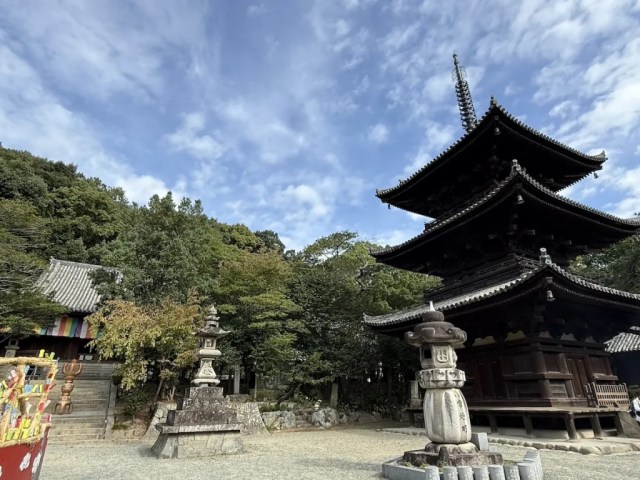
As with a lot of temple visits and activities in Japan, the Pilgrimage Experience Guided Walk isn’t presented with an atmosphere of severe solemnity, nor as something only for individuals of markedly devout Buddhist faith, and can be participated in and enjoyed as a cultural experience rather than a strictly religious one. That said, there’s something special about knowing you’re helping keep a tradition alive more than a millennium after it started, and the kind greetings we received from townspeople along the way put us in a contemplative but happy mood that stayed with us long after we were back where we’d started in Dogo. We may have only completed one eighty-eighth of the Shikoku Pilgrimage, but we still felt completely satisfied with the part of it we’d seen this day, and if you’d like to try it for yourself, reservations can be made through the website of tour provider Matsuyama Haiku here.
Photos ©SoraNews24
● Want to hear about SoraNews24’s latest articles as soon as they’re published? Follow us on Facebook and Twitter!