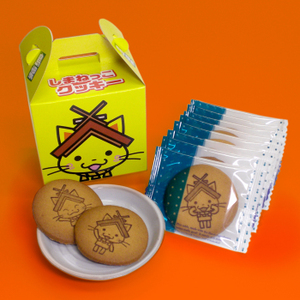
Tourist shops everywhere in Japan are filled with colorful boxes of local sweets that are perfectly portioned for sharing. These are omiyage. At work, it’s almost expected that you bring back a box of omiyage filled with a specialty product from the area your business trip took place in, and friends and family often purchase omiyage for those who weren’t able to make the trip. Many argue that giving omiyage is a distinctly Japanese custom; Yuichiro Suzuki, author of Omiyage and the Railway, explains in an interview with Yahoo! Japan.
—————————–
Don’t they have omiyage abroad?
Omiyage is translated as “souvenir” in English, but the two are a little different. A souvenir is something that the person who is doing the traveling buys for themself to remember the trip. In Europe and the United States, train station and airport stores are filled with key chains and other non-food items for this purpose. But Japanese omiyage typically consists of food items produced in the area the trip was taken in. Also, omiyage is not intended to be consumed by the traveler and is instead given out to coworkers or friends.
But what about chocolate covered macadamia nuts in Hawaii?
These were created by Japanese-Americans who were most likely influenced by Japanese omiyage culture. France also has Mont Saint-Michel cookies which are popularly purchased for the same purpose as omiyage, but these are exceptions. The amount of food-related omiyage in western souvenir shops is overwhelmingly low compared to shops in Japan.
But there are many types of candies and foods sold at tourist spots in China and South Korea…
I agree that there are. But in Japan, omiyage is associated with the history of a specific region, for example Ise City’s Akafuku rice crackers or Gunma prefecture’s famous Kusatsu Onsen mochi. In general, this is not true of omiyage elsewhere.
I see. So when was omiyage first seen in Japan?
The origin of omiyage is unclear, but it is thought that the custom began in association with sacred pilgrimages. Those who visited Shinto shrines were expected to bring back evidence of the pilgrimage to their families in the form of charms, rice wine cups, or other religiously significant items. It was thought that the protection granted to pilgrims would be transferred to whoever received the items brought back from the sacred trip. This is said to be the beginning of omiyage.
So at that time, manjuu (steamed yeast buns with filling) and other foods that are commonly purchased as omiyage today didn’t exist?
Back then, food preservation techniques were limited and people traveled by foot so they could only carry light items such as medicine, money, and ear picks. There was only room for the essentials.
Does that mean that the types of food products increased once the railway system was built?
That’s right. For example, Shizuoku Prefecture’s Abekawa mochi originated in a small tea house next to Abekawa River. After the development of the railway system, gyuuhi, a sugary gel confectionary, was made instead of mochi because it lasts longer and can be taken on long trips. At first, many people complained about this new style of Abekawa mochi, but it eventually became known as a specialty product associated with the area.
In your book, you mention that specialty regional foods such as Akafuku mochi in Ise or millet dumplings in Okayama Prefecture were not popular before the Edo period, but have been widely accepted since modern times.
Omiyage culture has been around for a long time, but it’s because of institutions that support the modern state such as the railroad, army, and imperial house that Japanese people have come to have a deep relationship with omiyage.
Is this type of research about omiyage popular?
Research concerning culture anthropology is progressing, but only a handful of people are studying how omiyage came into existence. It’s possible that the majority of those researching Japanese history don’t like sweets.
—————————–
Mr. Suzuki makes some interesting points when distinguishing the difference between Western souvenirs and Japanese omiyage. Do you agree that the two are different? Is the purchasing and giving of omiyage a distinctly Japanese custom?
Source: Yahoo! Japan
Image: Rakuten

Gift-giving made easy! The most popular omiyage bought in Japan, station by station
Cool and fun paper craft from the makers of Akafuku — one of Japan’s favorite sweets!
Six Japanese foods you won’t want to miss trying in Ise
The top 10 sweet souvenirs in Tokyo
Japan’s top souvenir recommendations for foreigners, from sweets to swords
Starbucks Japan unveils new sakura cherry blossom collection for hanami season 2026
Japan’s cherry blossom season predicted to start earlier than we’d thought, especially in Tokyo
Japan asked to vote on what to officially call insanely hot days
Visiting Japan’s one-and-only, and only-for-a-limited-time, Dragon Ball noodle restaurant[Photos]
Studio Ghibli now sells Ursula’s backpack from Kiki’s Delivery Service at its anime shop in Japan
Japanese government planning higher ticket prices for foreign tourists at Tokyo National Museum
7 great places to see Mt. Fuji from without having to climb it
Unique Starbucks in historic building is one of the most beautiful in Japan
Japanese yokai spirits enter the modern era in Nagoya’s new digital art experience
Seven diet-sabotaging Japanese foods to avoid…or seek out!
Starbucks Japan releases first-ever Hinamatsuri Girls’ Day Frappuccino
Japanese restaurant chain serves Dragon Ball donuts and Senzu Beans this spring
Is Tokyo Station’s startlingly expensive wagyu bento boxed lunch worth its high price?[Taste test]
One Piece creator has hidden secret of anime treasure’s identity in chest at bottom of real-world ocean
Japan Extreme Budget Travel! A trip from Tokyo to Izumo for just 30,000 yen [Part 2]
Japan’s craziest burger chain takes menchi katsu to new extreme levels
Sakura Festival in Chiyoda mixes illuminations, boats, music, and Rilakkuma in the heart of Tokyo
Viral Japanese cheesecake from Osaka has a lesser known rival called Aunt Wanda
Japan’s newest Shinkansen has no seats…or passengers [Video]
Starbucks Japan releases new sakura goods and drinkware for cherry blossom season 2026
Foreigners accounting for over 80 percent of off-course skiers needing rescue in Japan’s Hokkaido
Super-salty pizza sends six kids to the hospital in Japan, linguistics blamed
Starbucks Japan unveils new sakura Frappuccino for cherry blossom season 2026
Foreign tourists in Japan will get free Shinkansen tickets to promote regional tourism
The 10 most annoying things foreign tourists do on Japanese trains, according to locals
Take a trip to Japan’s Dododo Land, the most irritating place on Earth
Naruto and Converse team up for new line of shinobi sneakers[Photos]
Survey asks foreign tourists what bothered them in Japan, more than half gave same answer
Japan’s human washing machines will go on sale to general public, demos to be held in Tokyo
Starbucks Japan releases new drinkware and goods for Valentine’s Day
We deeply regret going into this tunnel on our walk in the mountains of Japan
Studio Ghibli releases Kodama forest spirits from Princess Mononoke to light up your home
Major Japanese hotel chain says reservations via overseas booking sites may not be valid
Put sesame oil in your coffee? Japanese maker says it’s the best way to start your day【Taste test】
No more using real katana for tourism activities, Japan’s National Police Agency says
6 delicious, lesser-known food souvenirs you should buy on your next visit to Japan
Supermarket souvenirs! You can buy a bunch of presents in Kyoto while ignoring tourist shops
The latest souvenir trend amongst foreign tourists in Japan
Studio Ghibli serves up My Neighbour Totoro with a side of traditional Japanese wagashi sweets
This lucky bag of Tokyo snacks is full of delicious treats to take home–wherever home is!
Our search for Kyoto Station’s cheapest souvenir reveals a surprisingly sweet find
“Nara Quest”: The perfect parodying souvenirs from Nara Prefecture for all Dragon Quest fans
7 Japanese customs that even Japanese people wish would just disappear
This lucky box stuffed with Tokyo souvenirs is sold online, but you still have to fight for it!
Looking to gift some food? Here are some of Japan’s most popular snacks with online sales
We try super rare Shizuoka food souvenirs in the form of blue gelato and purple baumkuchen
The 5 best Japanese bento to buy at Kyoto Station
Can a Japanese person look good in one of those for-foreigner souvenir kimono? Mr. Sato finds out
New vending machines sell products from iconic Japanese stores
The Osaka-Kansai World Expo has lots of food and souvenirs, if you dare enter where they’re sold