
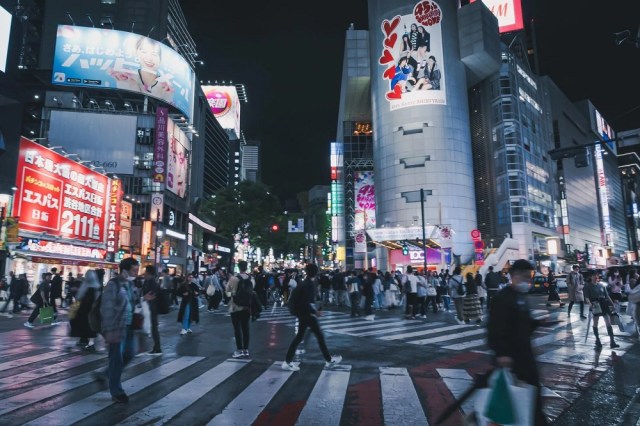
Proponents want cafes, convenience stores, and other takeout shops to take on greater responsibility as foreign tourist numbers and litter amounts grow.
For quite some time, the scarcity of trash cans has been among the top complaints from foreign tourists in Japan. Now it looks like they’re going to become much more common in some of the parts of Tokyo most popular with international travelers.
On December 10, a proposal was submitted to the assembly of Tokyo’s Shibuya Ward which would legally require operators of convenience stores, cafes, fast food restaurants, and takeout stands to install trash cans. While many new ordinances in Japan are first put into effect with no punishment provisions, making them more suggestions than rules, the Shibuya trash can proposal includes a clause that failure to provide trash cans would be punishable by a fine of 50,000 yen (US$325). The affected areas would be the vicinities of Shibuya, Harajuku, and Ebisu Stations, all of which are part of Shibuya Ward.
The change would bring cafes, convenience stores, and takeout providers under the same rules that are in place for vending machine operators, who are already required to have recycling boxes or some other sort of trash receptacle near their machines. With cafes and restaurants more or less all already having inside-store trash cans for eat-in customers, ostensibly the proposed ordinance would require the trash cans to be placed outside, or at least in a location where they could be easily used by people other than eat-in customers.
While the Shibuya Station area has never been among the cleanest parts of Tokyo, Shibuya Ward officials say there’s been a marked increase in the amount of litter on the streets in recent years, coinciding with skyrocketing numbers of foreign tourists flooding the neighborhood as it’s become a social media-buzzy travel hotspot. Approximately 75 percent of the litter being left in Shibuya consists of snack packaging, food wrappers, and empty takeout cups, and the ward now wants the businesses who sell those containers’ contents to start shouldering more responsibility in keeping the resulting trash off the streets.
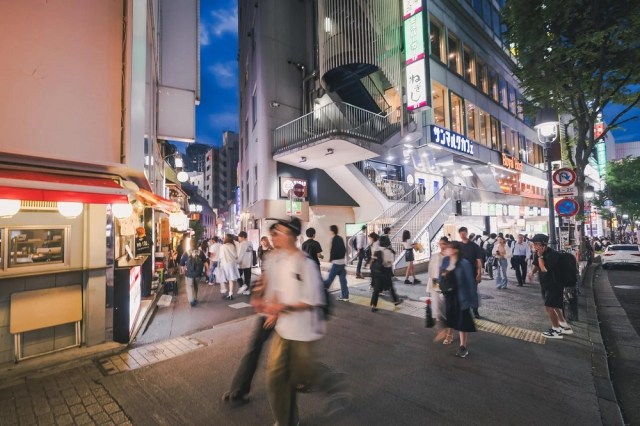
On the surface, adding more trash cans seems like a direct and effective way to reduce litter. However, there are a number of factors that might not make the results quite so simple. For starters, the vast majority of neighborhoods in Japan, even in large cities, don’t have significant litter issues, despite having hardly any trash cans. That’s because the local population largely accepts that if someone buys a cup of coffee, piece of melon bread, or any other refreshments while out and about, it’s the responsibility of the customer to take care of the trash, even if that means carrying it back to their home or hotel to dispose of there. Shifting more of the responsibility to prevent litter onto merchants by requiring them to provide trash cans could foster an attitude that if a trash can isn’t available in the immediate vicinity, then it’s businesses/the local government who are in the wrong, forming justification for littering on the grounds that it’s unreasonable to expect people to take any of their trash home.
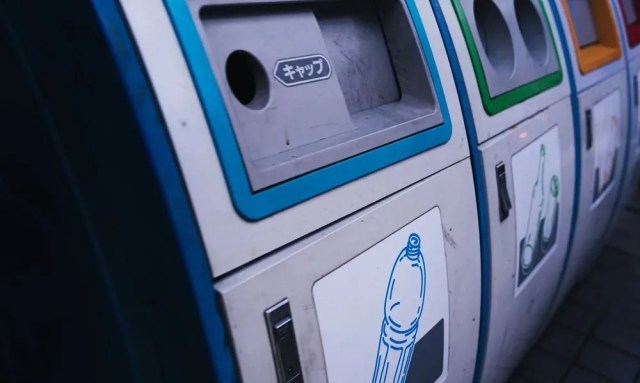
Also worth considering is whether the new trash cans would be used properly. In an interview regarding the proposed rule, a Shibuya crepe stand says that that it used to have a trash can set up outside its shop that anyone could use. Foreign tourists would regularly toss bottles and cans into it, though, despite these being recyclables that cannot be collected together with other kinds of trash (the crepe shop itself sells no beverages served in such containers).
▼ In Japan, there are separate receptacles for plastic, glass, and aluminum drink containers.
Tourists would also dump large, bulky items into the trash can, including even stuffed animals, which clearly fall outside the sort of trash generated by takeout joints, saddling the shop with the burden of taking on general garbage collection duties with no connection to its mode of business. As these problems continued, management eventually decided to move the trash can inside the store, but the proposed ordinance would likely require it to be placed outside again.
All of this raises the question of whether or not it’s worth it to go on fighting the good fight in an attempt to maintain the Japanese social norm that properly disposing of trash is an absolute responsibility of takeout customers, or whether it’s wiser to accept that there will always be a certain proportion of people who will choose to litter if not provided with convenient trash can access, and should therefore be accommodated and appeased.
It is worth pointing out once again, though, that for decades Shibuya has had more litter than most other parts of Tokyo, owing to it being a popular place for teens, drinkers, and club hoppers to hang out, and one could make the argument that Japan’s “take your trash home with you etiquette” hasn’t been enough to keep the place as clean as it should be even without the influx of foreign tourists. The proposed ordinance does also include a new 2,000-yen fine for littering, seeing as how a public trash can requirement addresses the most common excuse for littering.
If approved, the ordinance would go into effect in April, with fines becoming enforceable in early summer.
Source: TBS News Dig via Livedoor News, FNN Prime Online
Top image: Pakutaso
Insert images: Pakutaso (1, 2)
● Want to hear about SoraNews24’s latest articles as soon as they’re published? Follow us on Facebook and Twitter!