Littering in Shibuya will get you a fine that must be paid on the spot.
Last Monday wasn’t just the start of June, it was the start of a new littering fine in Tokyo. As of June 1, if officials spot someone throwing trash on the ground in some of the city’s most heavily touristed areas, they can issue a citation with a penalty of 2,000 yen (US$13).
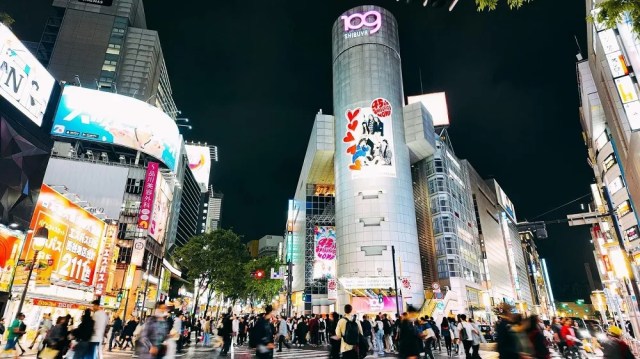
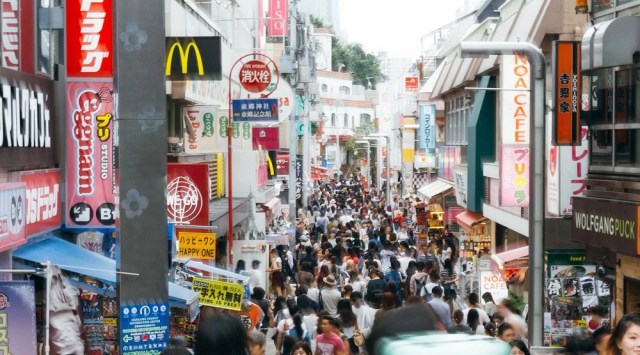
This new rule is enforceable in Shibuya, and not only around Shibuya Station, the famous Shibuya Scramble intersection, Hachiko dog statue plaza, and Center-gai shopping/restaurant street. The littering ban is for all of Shibuya Ward, which also includes the neighborhoods of Harajuku, Ebisu, and Yoyogi, among others. As a result, that littering is now a finable offense on the trendy and high-end fashion meccas of Takeshita Street and Omotesando and the pedestrian approach to Meiji Shrine too. Moreover, the law states that the fine is enforceable on both public and private property within Shibuya Ward, and while leaving an empty candy wrapper at your friend’s apartment isn’t going to get you in trouble with the law, that aspect does mean that fines can be collected from those caught littering within shopping centers, train stations, and other such spaces.
▼ Takeshita Street
To enforce the littering ban, Shibuya Ward has a team of approximately 50 roving inspectors. It’s unclear whether they’ll be a permanent dedicated anti-littering squad or if watching out for litterbugs is one of multiple public safety/order duties they perform while in the field, but the Shibuya administration does say it will have anti-litter inspectors in action 24 hours a day.
Unlike Japan’s recently introduced bicycle safety infractions, fines for littering in Shibuya Ward will be collected on the spot by the inspector. This aspect of the system may have been put in place to address perceptions that a disproportionate amount of litter in the area comes from foreign tourists, and to prevent them from being able to leave the country while still having unpaid fines. Payment can be made in cash or through cashless methods such as credit cards.
In addition, Shibuya Ward has also begun requiring convenience stores, takeout food/beverage sellers, and vending machine operators to provide trash receptacles, with fines of 50,000 yen for non-compliance. In a Shibuya Ward study conducted in 2025, 97 percent of inspected fast food restaurants and 80 percent of cafes were found to already have trash cans available, but those numbers dropped to 50 percent for food trucks and 47 percent for take-out beverage sellers.
However, the aim of the trash receptacle requirement is for food/beverage sellers to contribute to the proper handling of trash generated by their business operations, which could complicate finding a place to throw away your specific type of trash. For example, vending machine trash receptacles in Japan tend to be exclusively for recyclables of the materials used in the containers of the drinks that the machine sells, so if you’ve got, say, a paper bag from Krispy Kreme, the vending machine trash can isn’t going to help you. Likewise, with most Japanese people not being big on eating/drinking while walking, trash can capacity is likely to be relative to the amount of customers that particular place itself expects to have, so if you roll up to a drink stand with a family meal’s worth of fast-food containers from someplace else, they might not be able to accommodate you. Because of that, it’s probably still a good idea to be prepared to hang onto any trash you generate while in Shibuya until you get back home or to your hotel, since the ward is clearly looking to keep its streets cleaner.
Source: Shibuya Ward, Mainichi Shimbun via Yahoo! Japan News via Hachima Kiko, Tokyo MX
Top image: Pakutaso
Insert images: Pakutaso
● Want to hear about SoraNews24’s latest articles as soon as they’re published? Follow us on Facebook and Twitter!