
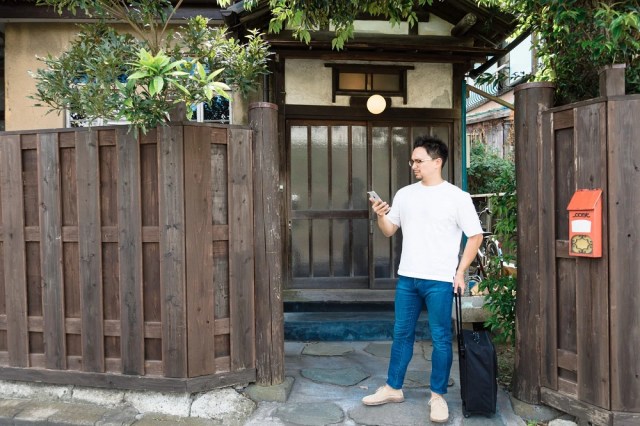
Shinjuku has more private lodging rentals than any other part of Japan, but a whole lot of them could be going away as pushback against overtourism continues.
According to the Japan Tourism Agency’s most recent statistics, there are 42,070 Airbnb-style short-term private lodging rental properties across the country, and no city or ward has more than Tokyo’s Shinjuku Ward. That could be changing soon, though, as the local government is looking to introduce changes that would force more than half of Shinjuku’s short-term rentals to shut down.
First, let’s take a look at the recent history of minpaku, as Airbnb-style accommodations are called in Japanese. When the current legislation allowing minpaku went into place, it was seen by proponents as a promising way to attract more visitors to Japan by offering the sort of independent traveler-oriented options that had become popular among young travelers abroad. This, however, was in 2018, back before the plummeting value of the yen and rising global interest in Japanese food, luxury, and pop culture turned Japan into one of the world’s most popular destinations for international tourists, and also took “overtourism” from a largely abstract concept into something actually affecting many local’s daily lives.
Private lodging rentals are a particularly detested part of Japan’s travel boom among residents, with those unfortunate enough to live near one citing litter, noise, and trespassing onto private property among the behavior they’ve had to put up with from tourists who can’t be bothered to be considerate. Shinjuku Ward says it received 1,334 complaints from residents regarding minpaku tourists in 2025, roughly double the amount from the year before. In addressing grievances, the authorities have issued 29 temporary closure orders and five permanent closure orders to private rental operators for violations. With resident complaints continuing to rise, though, the ward has come to the conclusion that it doesn’t have the manpower for this whack-a-mole style of enforcement, and legislators are now looking to issue a new ordinance that would ban the operation of minpaku rentals within parts of Shinjuku which are zoned for residential use only or near schools.
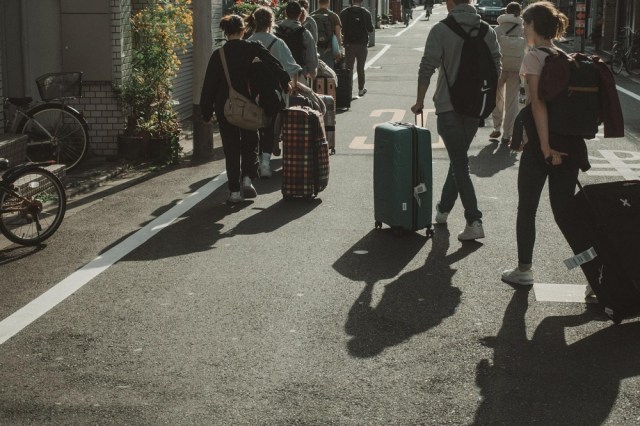
The ordinance would not only apply to new minpaku, but also to those already operating. Of the 3,775 current private lodging rentals in Shinjuku, roughly 2,000 would have to close under the new rules.
A grace period to allow for an orderly shutdown of operations is being considered, as are exceptions if certain managerial criteria are met, such as the owner of a rental property also being a full-time resident of it. Even for those minpaku that are allowed to stay open, though, the new ordinance would reduce the number of days they can have guests from the current 180 days per year down to 120.
Japan’s minpaku woes are, in a way, kind of ironic, given that Japan’s zoning laws allow for much closer proximity between residential and commercial buildings than in some other countries. At the same time, Japanese society is largely built on a strong foundation of not causing trouble for others in order to maintain harmonious relationships. Things like staying relatively quiet at home (especially during nighttime hours), disposing of trash properly, and not taking a shortcut through a corner of your neighbor’s garden to save time on your walk to the station are all considered common courtesy, even if they’re inconvenient. Those who drafted Japan’s currently lenient minpaku regulations most likely assumed, naively, that tourists staying in residential areas would then follow Japan’s neighborhood norms. Things haven’t panned out that way, though, and minpaku are increasingly being seen by locals as a symbol of many of the unpleasant side effects of Japan’s inbound travel boom, places that attract impolite tourists who make locals’ lives worse while lining the pockets of owners who don’t care about the problems because they live somewhere else.
Shinjuku Ward’s ordinance revisions are expected to be formally proposed in February, and would go into effect next summer.
Source: Iwate Shimbun, Yomiuri Shimbun, Asahi Shimbun
Top image: Pakutaso
Insert image: Pakutaso
● Want to hear about SoraNews24’s latest articles as soon as they’re published? Follow us on Facebook and Twitter!
 Osaka suspending new Airbnb-style special zone private lodging applications following backlash
 Geisha house-style vacation rental in Tokyo wins Best of Minpaku award【Photos】
 Kyoto planning surprise late-night inspections of Airbnb-style rentals to fight overtourism
 Tokyo revises accommodation tax amidst tourism boom, Airbnb rentals now included
 Capsule hotel offers amazing deal, cheaper than an apartment in Tokyo
 Tokyo ward looking to change lodging laws, ban more than half of its Airbnb-style rentals
 Uniqlo’s sister brand will be waiting with Pokémon sweaters and parkas this fall [Pics]
 Mister Donut releases new sweet potato doughnuts in Japan, and we’ve ranked them from best to worst
 Okinawa man convinced he won 700 million yen by scammers, saved by convenience store staff
 New Transforming Business Card case brings anime mecha to Japanese work meetings
 New Japanese ice cream is Ballin, in more ways than one
 Shinto shrine gate parfaits that tell your fortune now being served in Tokyo
 Tokyo’s red-light district cafe lets you dine inside a real 1960s cabaret
 Lego PlayStation recreates Sony’s original console, makes unusual choice for games to salute
 Studio Ghibli adds new finger puppets to its anime merchandise collection in Japan
 Kyoto temple bans visitors from wearing kimono
 A real-world Pokémon Poké Ball hotel is opening in Japan at a still-secret location [Video]
 Japan’s first fall color forecast for 2026 is here!
 Tamagotchi evolves into a ring for its 30th anniversary, preorders now open
 Starbucks Japan reveals new Tsukimi Moon-Viewing drinkware and gifts for autumn 2026
 Family Mart releases Famima convenience store products nationwide, but which ones are worth buying?
 New Pokémon anniversary song is 22 minutes long, features all 1,025 Pokémon species [Video]
 One Piece Day 2026 brings new art, music, and new cast announcements
 New Japanese convenience store rice balls taste like instant noodles [Taste test]
 12-year-old British girl who went missing in Tokyo found safe after visiting anime sites around Yokohama
 7-year-old boy left behind on Mt. Fuji by his own dad
 Japan’s final Penguin Suica train cards have already shipped, and when they’re gone, they’re gone
 Sushi Bus: Japan’s first conveyor-belt bus lets you eat sushi while sightseeing around Tokyo
 Studio Ghibli unveils new anime calendars and diary planners for 2027
 Study finds hundreds of people in Indonesia legally named after Naruto, Inuyasha, other anime stars
 Japan approves foreign resident visa renewal fee increases of up to 967 percent, starts soon
 Japan tripled its departure tax to fund tourism but is using the money on cherry blossoms and bears
 Solo travel in Japan: Hidden beer garden in Tokyo is a haven for single visitors
 Hobonichi unveils new 2027 planners, diaries and stationery with One Piece, Suica Penguin, Hello Kitty and a must-buy Mini Techo
 Japan announces sudden 400-percent increase in visa fees for foreigners entering the country
 Japan’s human washing machines will go on sale to general public, demos to be held in Tokyo
 Studio Ghibli has a new anime out, and there’s only one place in the world where you can see it
 Starbucks Japan releases new drinkware and goods for Valentine’s Day
 Starbucks Japan releases new sakura goods and drinkware for cherry blossom season 2026
 Japan’s newest Shinkansen has no seats…or passengers [Video]
 Tokyo subway installing new ticket gates that don’t accept payment through Suica or other IC cards
 Japanese ninja certification exam attracts 131 candidates from Japan and abroad
 Salomon releases Japan-exclusive Mt. Fuji hiking gear that doubles as an amazing souvenir
 Put sesame oil in your coffee? Japanese maker says it’s the best way to start your day【Taste test】