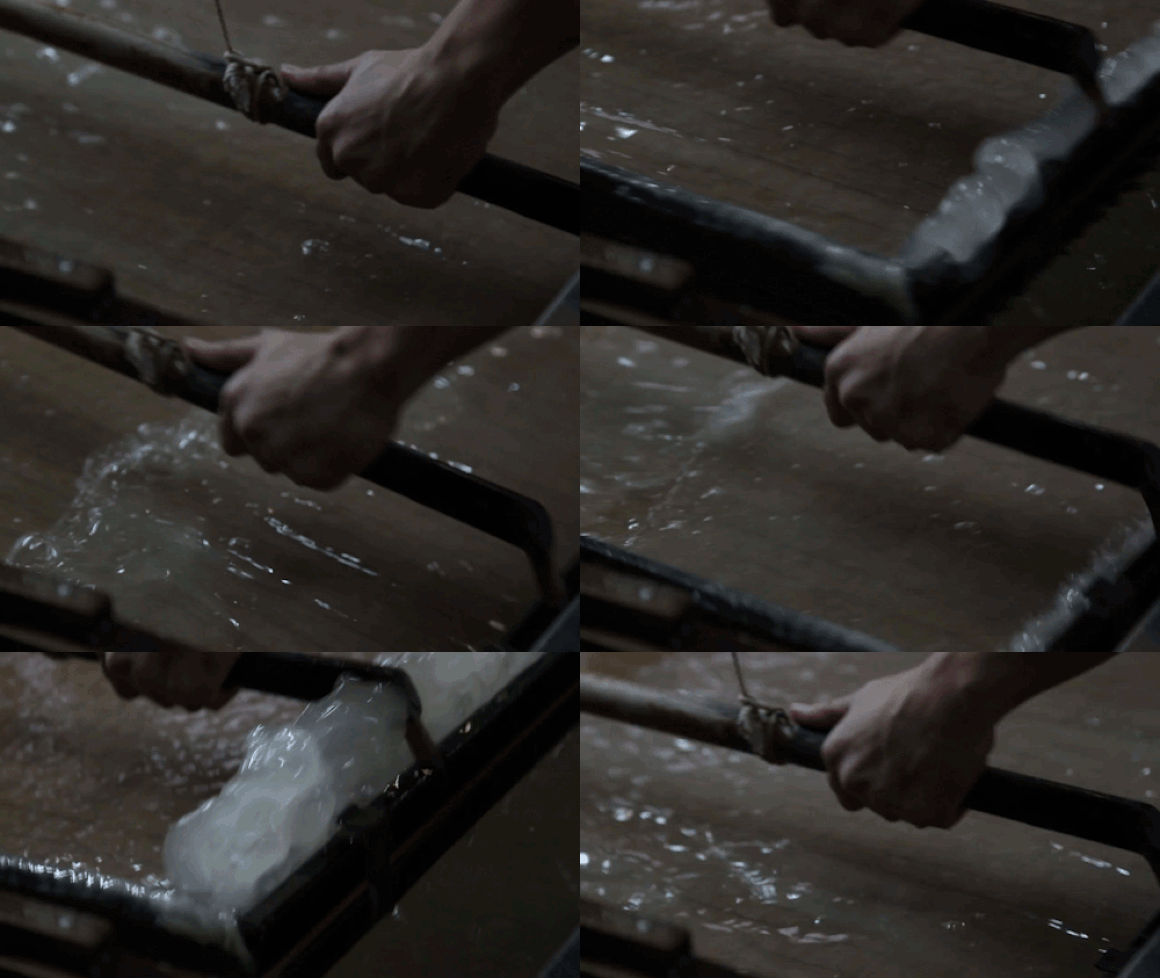
The traditional art of Japanese paper making has a history that dates back well over 1,000 years. Kurotani in Kyoto is one of the oldest paper-making villages where the tradition continues in earnest, with artisans continuing the ancient practice of paper skimming, classed as an intangible cultural asset by Kyoto Prefecture.
Like all Japanese arts, the process of creating washi has a precise and meditative quality about it. From collecting and preparing the raw materials to filtering and pressing the paper, the movements of these craftspeople and the life they lead is truly a sight to behold.
Japanese filmmaker Takashi Kuroyanagi has captured these moments in a beautiful five-minute film that takes us through the process from beginning to end and the result is breathtaking in its meditative beauty. If you’re looking for a way to take five minutes to relax in a busy day, this video is the calming tonic you need.
Japanese handmade paper is known as washi; wa meaning Japanese and shi meaning paper. Kurotani washi is the subject of this film, which is set in winter, the traditional season for paper-making due to the fact that cold inhibits the growth of bacteria and pure, cold water is essential to the process.
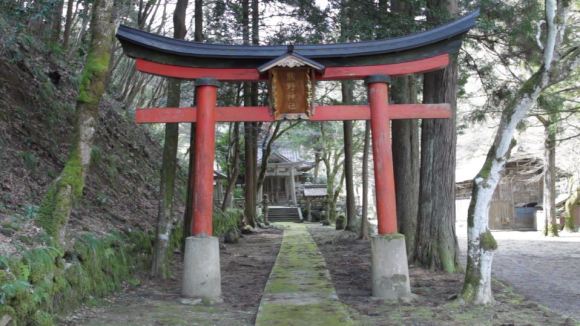
From harvesting the field of paper mulberry to stripping the bark and pressing and drying the materials, the film transports us to a slow life where community and quiet meditation lead the way, reminding us to stop and appreciate life and the beauty of creation.
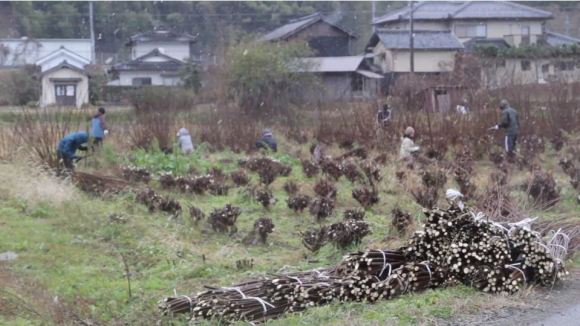
Now it’s time to make yourself a cup of green tea, put your feet up and enjoy five minutes of absolute beauty and relaxation.
If the video has piqued your interest in washi, read on for a look at the steps involved in the production process below.
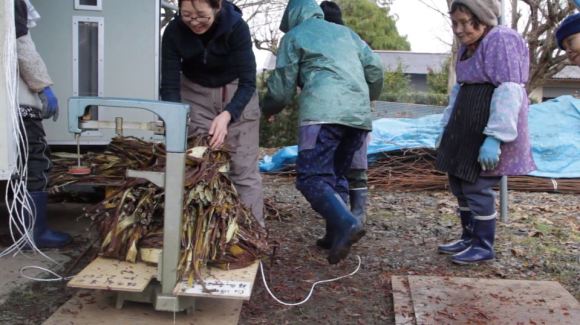
▼ The kozo (paper mulberry) is indigenous to the south of Japan and is known for its strong fibres. Here the branches are steamed, dried and then stripped for their bark.
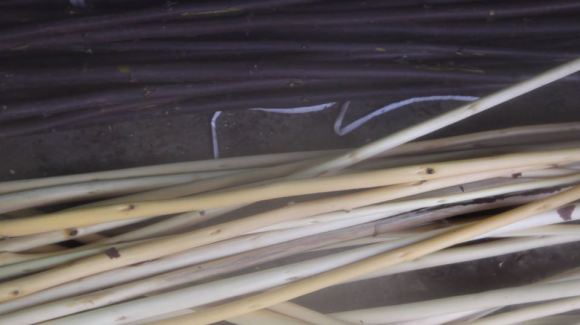
▼ The bark strips are then bundled by people of all ages to be cleaned indoors away from the cold. There’s no age discrimination at this workplace!
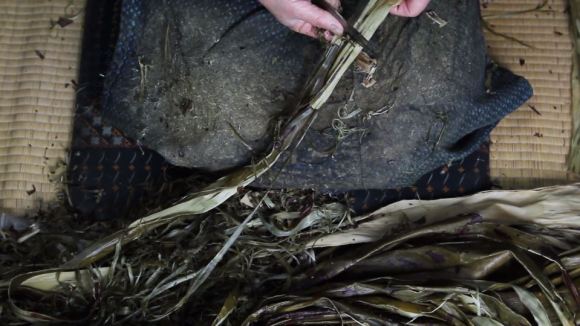
▼ The bark is shaved, revealing the inner fibres which will be used to make washi.
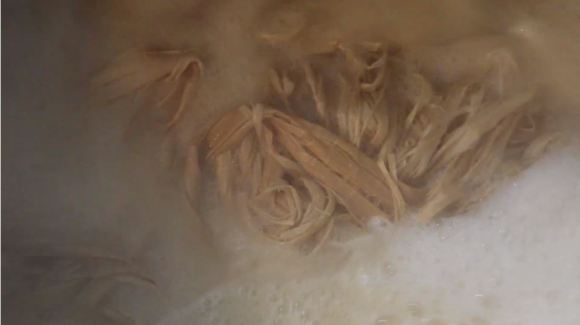
▼ The fibres are then boiled to remove any starch, fats or tannins.
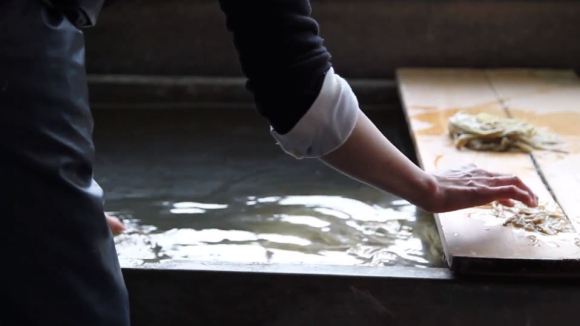
▼ Then it goes into a bath of cold running water, where impurities are picked out by hand.
▼ The fibres are pounded for an hour in large vats and then a screen is dipped into the paper pulp slurry several times to form a sheet.
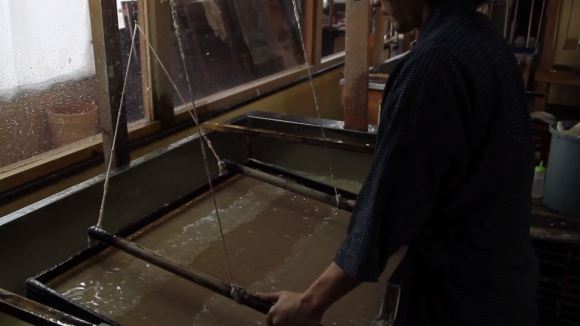
▼ Creating the desired thickness of the paper depends on the number of times the screen is dipped into the mix. This is an art that can only be determined by the skilled eye and hands of the craftsman.
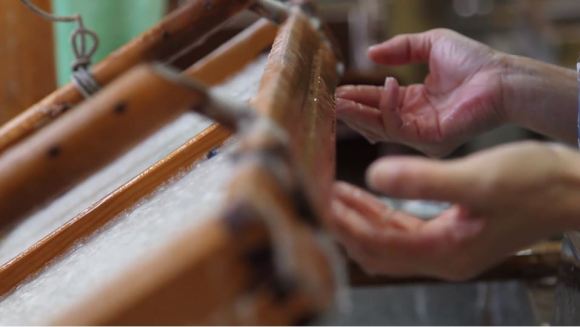
▼ The wet sheets of paper are removed from the screen and then stacked to be pressed the following day. The use of string and a binding agent ensures the papers don’t stick together.
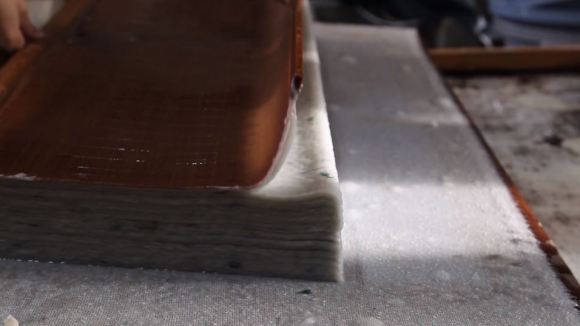
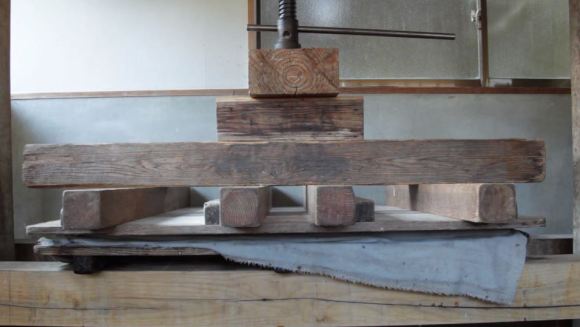
▼ Each individual paper is then separated and pasted onto drying boards to dry naturally in the sun.
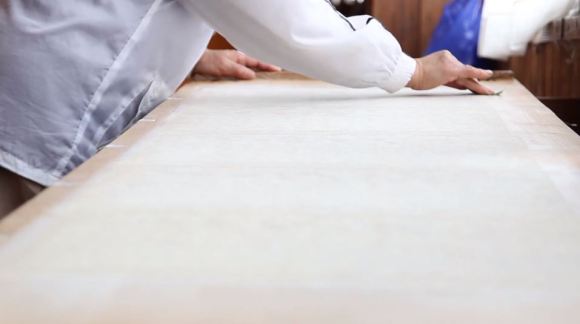
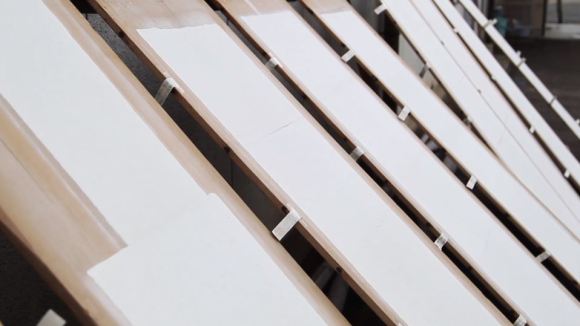
▼ Finally we get to the paper sheet we see in stores today. The even thickness and fine fibres show the high quality of their product.
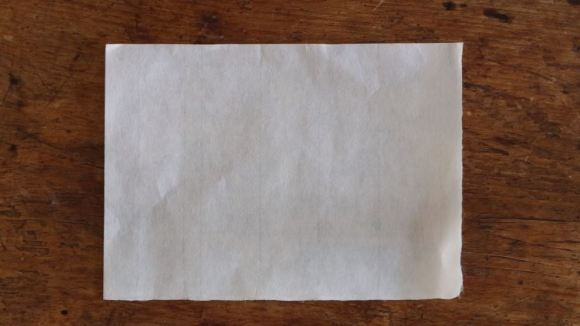
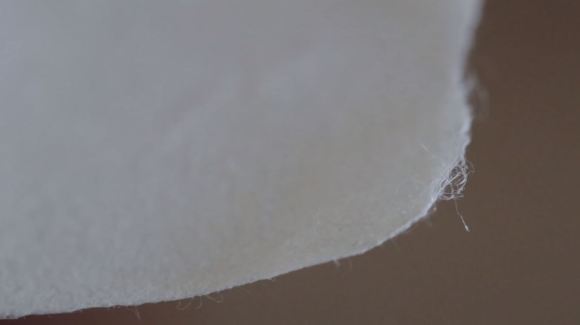
Washi is so durable that it can be used for all kinds of things, including lanterns, shoji (sliding paper screens) and fusuma (sliding paper doors). Dyeing opens up even more options for its use.
It’s amazing to think that the heart of this product is actually an all-natural material. Using local water and plants in the process creates something more than just paper—it creates a special bond between artisan and community; a tradition that we hope to see continue for centuries to come.
Source and screenshots: Kuroyanagi Takashi Vimeo