“I am so thankful for our medical system. Terrifying to think what it’d be like without it.”
Japan’s medical system may have some quirks to it, but one thing is undeniable: the fact that it’s very affordable.
As someone from the U.S., where medical insurance is at best a massive headache and at worst a bankruptcy-inducing hellhole, Japan’s medical system is fantastic. The waits are short, the treatments are great, and of course, the prices are fair.
This was shown most recently, and effectively, by Twitter user @u_aousg who posted a photo of the hospital bill from their father’s heart surgery. Here’s what they wrote:
▼ “This is from my father’s emergency heart surgery. Looking at it, all I can feel is thankfulness for our health insurance system. We were going to dinner just before he was hospitalized.”
これは父が心臓の緊急手術を受けたときのやつなんですけど、さすがにこれ見ちゃうと健康保険に感謝せざるを得ないよね。
— ユウ(青うさぎ) (@u_aousg) September 24, 2020
搬送直前まで家族で夕食に行こうとしてたんだぜ。 pic.twitter.com/KL9SWtmlFk
The number next to the light-blue box is the total medical cost: 7,017,190 yen (US$66,455), and the number beneath it is how much the patient had to pay: 53,760 yen ($509). Just a small difference of about 13,000 percent.
For those who have never used Japan’s medical system before, for typical doctor visits, 70 percent of the bill is either paid by the government or the patient’s employer, and the patient covers the remaining 30 percent. However, for more expensive procedures such as heart surgery, there are certain limits to how much a person can pay, ensuring that they don’t go bankrupt from visiting the hospital.
For those from countries with free healthcare, Japan’s may seem expensive. But for those from countries where people avoid going to the doctor or calling the ambulance fearing the cost, Japan’s system is downright amazing.
▼ Because the pain shouldn’t start when your hospital visit is over.

@u_aousg also mentioned that one of the reasons they posted this was because they are worried about the future of Japan’s healthcare. With the new prime minister taking office, there has been talk of changing or replacing the system, which they hope will not happen, and they want to spread the word to others.
For now anyway, it seems like the majority of Japanese netizens agree with them:
“I am so thankful for our medical system. Terrifying to think what it’d be like without it.”
“People may have their gripes about our insurance system, but compared to other countries we’re blessed.”
“I feel like my monthly insurance payments are high, but looking at this, I can see that it’s important.”
“My daughter had heart surgery at age one, which would’ve cost 8,000,000 yen ($75,000) without coverage. Thankfully everything only came to 100,000 yen ($950) instead. If this were a country without good insurance, I would’ve been too scared to go to the hospital.”
“This would’ve cost one million dollars in America.”
▼ Someone else shared their own hospital bill,
reduced from 10,011,865 yen ($95,000) to 78,900 yen ($750).
While it’s nice to see the heartwarming take on Japan’s medical system, unfortunately the opposite is also true: Japanese people going abroad and being horrified at what they get billed at hospitals. Just like one woman who had quite a shock giving birth in the U.S.
Source: Twitter/@u_aousg via Hachima Kiko
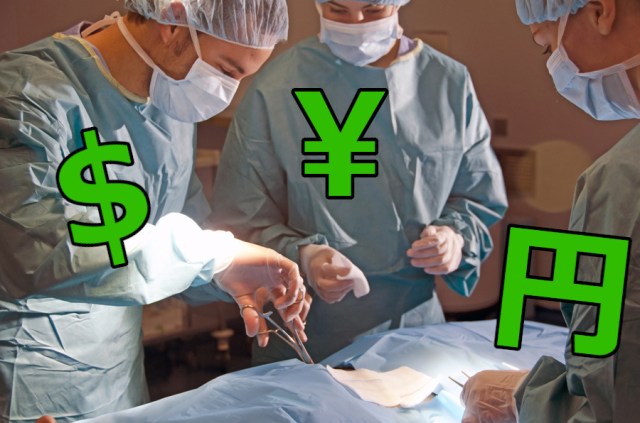
Top image: GAHAG (Edited by SoraNews24)
Insert image: GAHAG
● Want to hear about SoraNews24’s latest articles as soon as they’re published? Follow us on Facebook and Twitter!