
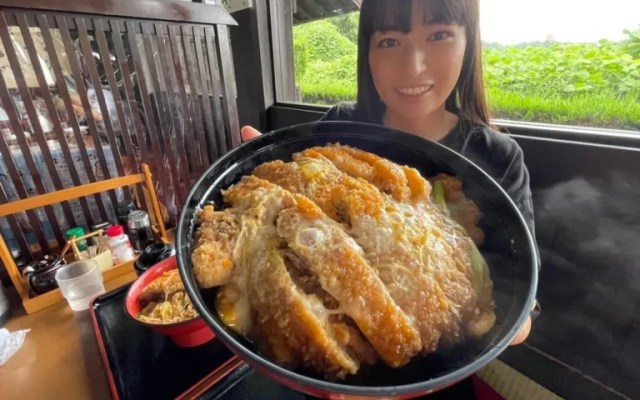
Ministry wants food in stomachs, not in the trash.
I once was eating lunch in a small cafe in Tokyo with a friend from overseas, who was full but had about half of the portion of roast pork he’d been served left over. When he asked the staff for a doggie bag to take the leftovers home in, he was informed that the restaurant couldn’t accommodate him, out of concern over the food potentially spoiling on his way home and causing him to get food poisoning if he then ate it. This isn’t an unusual stance for restaurants in Japan to take, either. Though the country has a rich dining culture, characterized by attention to thoughtful hospitality, restaurants in Japan generally don’t provide doggie bags.
In the end, my friend surreptitiously slipped his leftover hunk of meat into a plastic bag he happened to have on him, which he then stuffed inside of his shoulder bag and smuggled out of the restaurant. Such duplicity might soon become unnecessary, though, thanks to a new initiative from Japan’s Ministry of Health, Labor and Welfare.
A recently concluded study found that in 2022, Japan had roughly 4,720,000 metric tons of food waste, roughly half of which came from restaurants and food shops. In order to reduce those numbers, the government is looking to promote the use of doggie bags, so that instead of going into the trash, diners’ food that they don’t finish at the restaurant will go into their refrigerators, and later their stomachs.
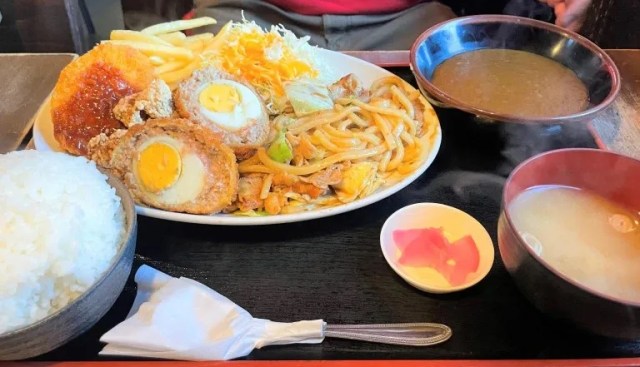
Last week, the Ministry of Health, Labor and Welfare held its first meeting of a newly formed investigative committee on the subject, with members of the ministry convening with university researchers and consumer advocacy groups. Their goal is to put together a set of guidelines which can then be presented to restaurants, izakaya (Japanese-style pubs), hotels, and other dining establishments covering topics about which foods are and aren’t safe to allow customers to take home leftovers of, who should package the leftovers and in what ways, and a notification framework in the event of someone contracting food poisoning after consuming the contents of a doggie bag. Another key point of the discussions so far is communicating that even for foods that are doggie bag-permissible under the eventual guidelines, the final responsibility for determining whether the leftovers are safe to eat or not lies with the customer, not the restaurant.
In theory, establishing safety guidelines doesn’t seem like it should be terribly difficult. It’s not like food poisoning is rampant in countries where taking home restaurant leftovers is common. Even within Japan, there are plenty of restaurants that offer to-go orders, not to mention tons of bakeries, bento shops, and food stands selling everything from grilled chicken to roasted sweet potatoes on a to-go-only basis. It’s hard to believe that the 30 minutes or so that restaurant leftovers might have been on a customer’s plate mean that the food has crossed a threshold beyond which it’ll be unfit for human consumption by the time it gets home. And if the customer doesn’t go straight home? That’s the same risk as with any other buy-it-here, eat-it-somewhere-else scenarios, and it’s not like there’s an epidemic of people in Japan collapsing at home after eating fried chicken they picked up at the convenience store.
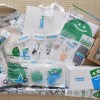
▼ If Japanese supermarkets can let us take home prepared food like this, restaurant doggie bags aren’t an impossibility.
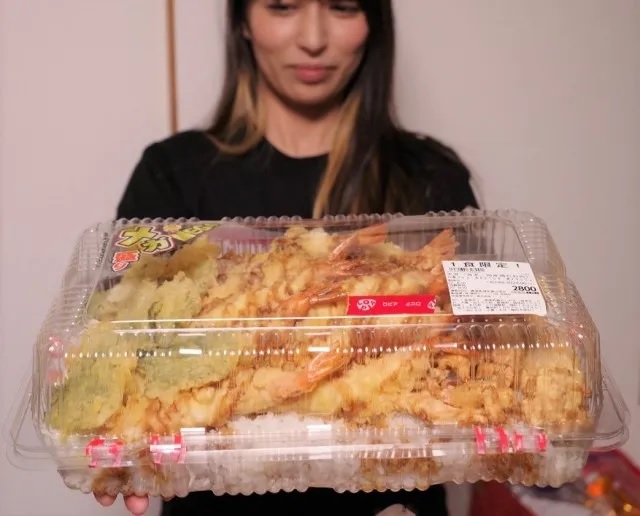
It’s possible that the bigger challenge to getting restaurants in Japan to proactively provide doggie bags won’t be health/hygiene-based, but instead one of image and operations management. It seems pretty clear that if they’d wanted to, restaurants in Japan could have started providing doggie bags long ago, seeing as how takeout and grab-and-go restaurants have flourished in Japan. So it’s at least a little likely that “We can’t provide doggie bags for health reasons” actually has more to do with not wanting to make a sit-down restaurant look like a cheap takeout joint, or not wanting to pull workers off of preparing and serving new orders to have them package up something that’s no longer bringing in any additional revenue for the restaurant.
The Ministry of Health, Labor and Welfare hopes to have its doggie bag guidelines finalized and available to restaurants sometime this year.
Source: NHK News Web
Photos ©SoraNews24
● Want to hear about SoraNews24’s latest articles as soon as they’re published? Follow us on Facebook and Twitter!
 Japanese restaurant chain starts bold new policy: Letting you take your leftovers home with you
 Japan’s biggest family restaurant chain now lets you take your leftovers home with you
 Raw chicken dishes to be regulated by Japanese government
 Japanese government seeking power to turn down private home air conditioners remotely, report says
 50 centimetres (20 inches) of unbridled beefy joy! Eating Tokyo’s extra-lengthy yukhoe sushi
 New Transforming Business Card case brings anime mecha to Japanese work meetings
 Studio Ghibli adds new finger puppets to its anime merchandise collection in Japan
 Go to hell! …at a limited time historical art exhibit coming to Osaka
 Kyoto temple bans visitors from wearing kimono
 Shinto shrine gate parfaits that tell your fortune now being served in Tokyo
 Lego PlayStation recreates Sony’s original console, makes unusual choice for games to salute
 New Pokémon anniversary song is 22 minutes long, features all 1,025 Pokémon species [Video]
 Starbucks Japan releases new coffee table book featuring 18 of the most unique stores around the country
 Starbucks Japan reveals new Tsukimi Moon-Viewing drinkware and gifts for autumn 2026
 New Japanese convenience store rice balls taste like instant noodles [Taste test]
 Solo travel in Japan: Hidden beer garden in Tokyo is a haven for single visitors
 A real-world Pokémon Poké Ball hotel is opening in Japan at a still-secret location [Video]
 Japan’s first fall color forecast for 2026 is here!
 Studio Ghibli unveils new anime calendars and diary planners for 2027
 One Piece Day 2026 brings new art, music, and new cast announcements
 Tamagotchi evolves into a ring for its 30th anniversary, preorders now open
 Family Mart releases Famima convenience store products nationwide, but which ones are worth buying?
 12-year-old British girl who went missing in Tokyo found safe after visiting anime sites around Yokohama
 7-year-old boy left behind on Mt. Fuji by his own dad
 Japan’s final Penguin Suica train cards have already shipped, and when they’re gone, they’re gone
 Sushi Bus: Japan’s first conveyor-belt bus lets you eat sushi while sightseeing around Tokyo
 Japanese toilet aims to attract foreign tourists but not everybody is happy about it
 New Japanese vending machine at Shinkansen station sells cups of ice on platform
 Study finds hundreds of people in Indonesia legally named after Naruto, Inuyasha, other anime stars
 Japan approves foreign resident visa renewal fee increases of up to 967 percent, starts soon
 Japan tripled its departure tax to fund tourism but is using the money on cherry blossoms and bears
 Japan announces sudden 400-percent increase in visa fees for foreigners entering the country
 Japan’s human washing machines will go on sale to general public, demos to be held in Tokyo
 Studio Ghibli has a new anime out, and there’s only one place in the world where you can see it
 Starbucks Japan releases new drinkware and goods for Valentine’s Day
 Starbucks Japan releases new sakura goods and drinkware for cherry blossom season 2026
 Japan’s newest Shinkansen has no seats…or passengers [Video]
 Tokyo subway installing new ticket gates that don’t accept payment through Suica or other IC cards
 Japanese ninja certification exam attracts 131 candidates from Japan and abroad
 Salomon releases Japan-exclusive Mt. Fuji hiking gear that doubles as an amazing souvenir
 Put sesame oil in your coffee? Japanese maker says it’s the best way to start your day【Taste test】
 Popular Japanese ramen restaurant Ichiran’s lucky bags are great value for money
 Hey, Japanese taxi driver! Take us to a great restaurant in Utsunomiya