
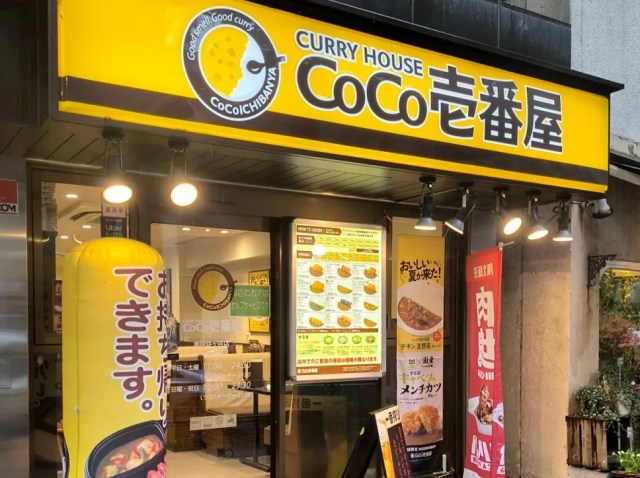
Economic and cultural factors are making it hard to make money selling one of Japan’s favorite meals.
For curry rice fans, buying some Cocoichi often sounds like an appealing idea. Soon, though, someone might not only have the opportunity to purchase curry rice at Japan’s most popular curry restaurant chain, but to buy the chain itself.
Curry House Coco Ichibanya, to use the restaurant’s full name, was founded in Nagoya in 1978, and from the start it made use of curry roux supplied by House Foods Group. As the chain grew, House Food Group became increasingly convinced of its potential, eventually acquiring shares in Ichibanya Co., Ltd., Cocoichi’s management company. In 2015, House spent an additional 30 billion yen (US$189 million) to purchase even more Ichibanya stock, raising its share of the company from 19.5 percent to 51 percent and making it a consolidated subsidiary of House Foods Group.
Now, though, House is considering selling off its ownership stake in Ichibanya as part of a reevaluation of its business portfolio, as it attempts to refocus its resources on ventures that it feels promise higher profitable and rates of growth,
▼ How could someone be willing to say goodbye to this?
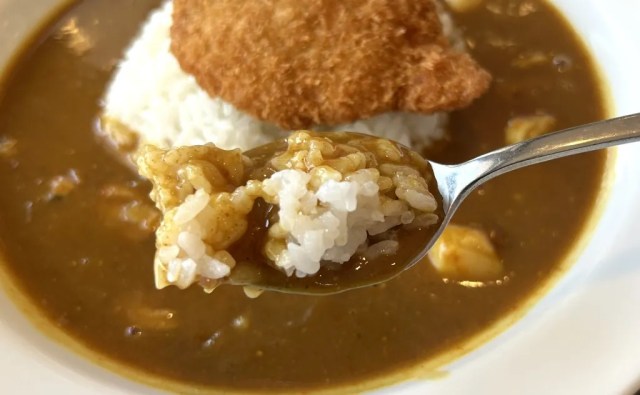
House Foods feeling like it’s tough to make money selling curry might seem strange, given that curry rice is one of the most broadly popular dishes in modern Japanese cuisine, loved by men and women both young and old. Sure enough, during its 2025 fiscal year, Ichibanya posted sales revenue of 65.5 billion yen, up 7.4 percent from the year before. At the same time, though, the company’s net income tumbled to 2.5 billion yen, a 19.2 percent drop from the year before, with increased ingredient costs cited as a major factor.
Rising materials costs put Cocoichi restaurants in a bind, because as popular as curry rice is in Japan, it’s seen as simple comfort food, not fine dining. There’s a relatively low limit to how much restaurant diners are willing to pay for it, even if the flavor is excellent. There’s also the fact that curry is a common thing for people to cook at home in Japan, and recipe sizes can be easily expanded in order to cook several days’ worth of meals at once. That creates a sort of multiplier effect where the cost savings of home-cooked curry can be enjoyed for many consecutive meals, making it even more difficult to position restaurant curry as a premium product, and in turn making it difficult for curry restaurants to offset higher ingredient costs by raising their prices.
We’ve been seeing examples of Coco Ichibanya losing customers as it raises prices since 2024, and while initially that was offset by the remaining diners spending more on a per-person basis, the math doesn’t appear to be working in the chain’s favor anymore.
The potential sale of Ichibanya is concerning for foodies in Japan, since the slipping customer numbers aren’t a result of slipping curry quality. Cocoichi’s food still tastes as good as it ever did, and similarly to when there was talk of 7-Eleven Japan being acquired by a Canadian investment group, a new owner coming in brings the possibility of tampering with the recipes that won Cocoichi its fanbase in the first place.
It should be noted, though, that House Foods Group hasn’t yet announced that Ichibanya is for sale, and in fact spokespeople for both House and Ichibanya Co., Ltd. have said that “All options are being considered, including taking Ichibanya private.” That said, if you’ve loved Cocoichi’s curry up until now, you might want to treat yourself to a plate soon, just in case some big changes are indeed on the way.
Source: Yomiuri Shimbun, Yahoo! Japan News/Kyodo
Photos ©SoraNews24
● Want to hear about SoraNews24’s latest articles as soon as they’re published? Follow us on Facebook and Twitter!
 Japan’s most popular curry rice restaurant chain losing customers as it raises prices
 Japan’s favorite curry rice restaurant chain also runs a bakery with more than just curry bread
 Japan’s popular curry chain Cocoichi has an elusive delivery-only noodle menu
 Curry for breakfast! Coco Ichibanya, Japan’s favorite curry chain, now has awesome morning sets
 Curry chain CoCo Ichi opens branch in Japan serving Japanese curry rice created outside Japan
 Solo travel in Japan: Hidden beer garden in Tokyo is a haven for single visitors
 One Piece Day 2026 brings new art, music, and new cast announcements
 Tamagotchi evolves into a ring for its 30th anniversary, preorders now open
 Family Mart releases Famima convenience store products nationwide, but which ones are worth buying?
 Studio Ghibli unveils new anime calendars and diary planners for 2027
 Flock to Tomarigi, the viral app that lets you perch in over 1,000 spots throughout Japan
 Japan’s birth rate rose for the first half of the year for the first time in over a decade
 Family Mart releases new Human Made Cup Noodle in Japan, with freebies for Nigo fans
 Hobonichi unveils new 2027 planners, diaries and stationery with One Piece, Suica Penguin, Hello Kitty and a must-buy Mini Techo
 7-Eleven Japan goes viral for chilled soba that’s “too salty to eat”
 Japan’s final Penguin Suica train cards have already shipped, and when they’re gone, they’re gone
 Japan approves foreign resident visa renewal fee increases of up to 967 percent, starts soon
 Japan tripled its departure tax to fund tourism but is using the money on cherry blossoms and bears
 Farewell Final Ceremony announced for Tokyo’s life-size Gundam statue, will stream live
 Hikaru Utada sings new song in Shinkansen commercial for Japan’s Supreme Class cabins
 Nike x One Piece collection brings Devil Fruits to sneakers and streetwear in Japan
 12-year-old British girl who went missing in Tokyo found safe after visiting anime sites around Yokohama
 7-year-old boy left behind on Mt. Fuji by his own dad
 Sushi Bus: Japan’s first conveyor-belt bus lets you eat sushi while sightseeing around Tokyo
 Pokémon Center Online designates first Pokémon items that will require Japanese ID card to buy
 Japanese toilet aims to attract foreign tourists but not everybody is happy about it
 New Japanese vending machine at Shinkansen station sells cups of ice on platform
 Study finds hundreds of people in Indonesia legally named after Naruto, Inuyasha, other anime stars
 Japan announces sudden 400-percent increase in visa fees for foreigners entering the country
 Japan’s human washing machines will go on sale to general public, demos to be held in Tokyo
 Studio Ghibli has a new anime out, and there’s only one place in the world where you can see it
 Starbucks Japan releases new drinkware and goods for Valentine’s Day
 Starbucks Japan releases new sakura goods and drinkware for cherry blossom season 2026
 Japan’s newest Shinkansen has no seats…or passengers [Video]
 Tokyo subway installing new ticket gates that don’t accept payment through Suica or other IC cards
 Japanese ninja certification exam attracts 131 candidates from Japan and abroad
 Salomon releases Japan-exclusive Mt. Fuji hiking gear that doubles as an amazing souvenir
 Put sesame oil in your coffee? Japanese maker says it’s the best way to start your day【Taste test】
 A taste of Japanese curry usually only sold overseas, at Tokyo’s Curry House CoCo Ichibanya World
 Crazy-big “Bam!” Hunk of Meat Curry returns to Japan’s favorite curry rice chain, price still rising
 Cold curry noodles? Is Japan’s favorite curry rice restaurant’s idea crazy enough to work?
 What’s the secret to Coco Ichi’s reign of the curry kingdom?
 Curry rice king Coco Ichi removes 80 percent of rice, replaces it with something else in new dish
 Curry house CoCo Ichibanya has 1,247 branches in Japan, but only one has this special topping
 Vegan curry rice – Taste-testing the new soy meat hamburger steak from Japan’s CoCo Ichibanya
 Japan’s most popular curry chain now has vegan soup curry, and it’s delicious【Taste test】
 Lifehack for Curry Fiends: Get More for Your Yen at CoCo Ichibanya
 Japan’s biggest curry chain now offers a true vegetarian curry
 We underestimated the special curry spoon from Japan’s favorite curry chain【Taste test】
 Mr. Sato goes halal at new CoCo Ichibanya that caters to Muslim diners
 Save yourself hundreds of yen at CoCo Ichibanya curry chain through menu mastery!
 Japanese curry chain Coco Ichibanya to open a branch in India next year
 CoCo Ichibanya lucky bag here to keep you happy and full of curry