Instead of praying to the binbogami, you’re supposed to fight him off.
When visiting a shrine in Japan, the standard custom is to put a coin in the offering box, bow twice, clap your hand twice, say a quick, silent prayer, and then bow once more.
So we were very surprised when we discovered a shrine in Nagano Prefecture where instead of bowing and clapping, you’re supposed to strike and kick the statue of its god instead.
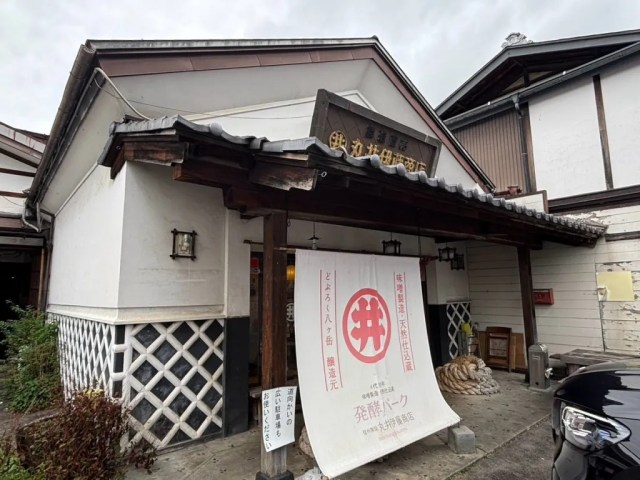
The shrine, located in the town of Chino, can’t be seen from the street. Instead, you’ll need to look for Hakko Park (“Fermentation Park”), a sort of local products and museum managed by miso maker Marui Ito Shoten.
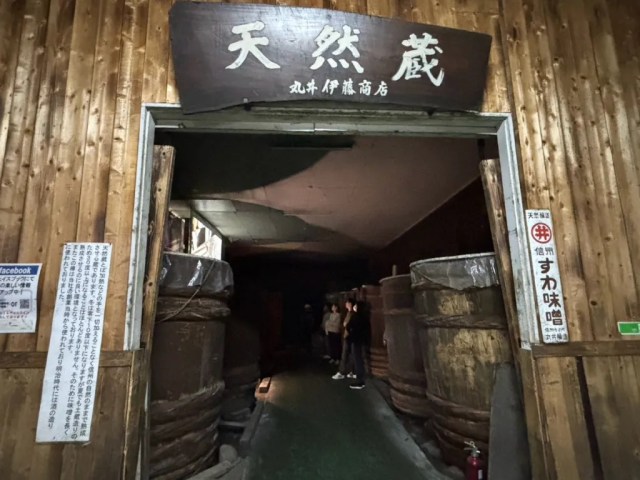
Inside the facility you can see the giant wooden barrels used for the traditional miso-making process. They are impressive-looking, but the real sight to see is at the back of the building, where you’ll find signs directing you towards the passageway to Binbogami Shrine.
▼ Binbogami Shrine would usually be written in Japanese as 貧乏神神社, but since the language can also be read from right to left, the signs here render it as 社神神乏貧.
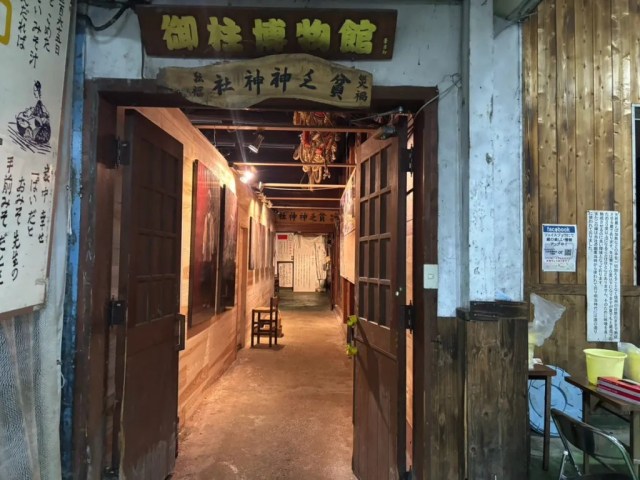
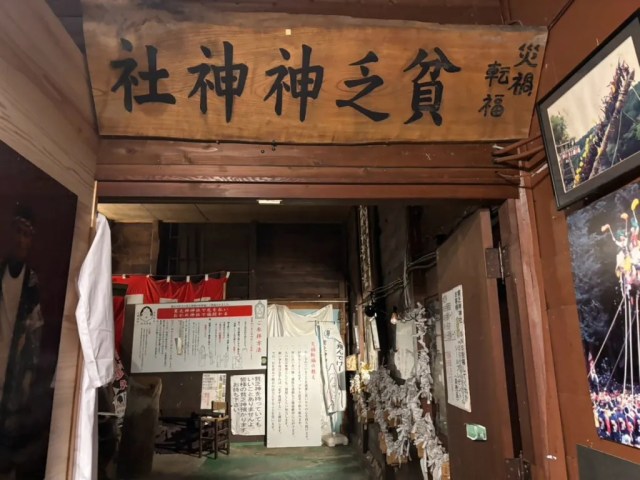
Even on a sunny afternoon, the shrine is shadowy, making it feel like you’ve wandered into a mysterious parallel world.
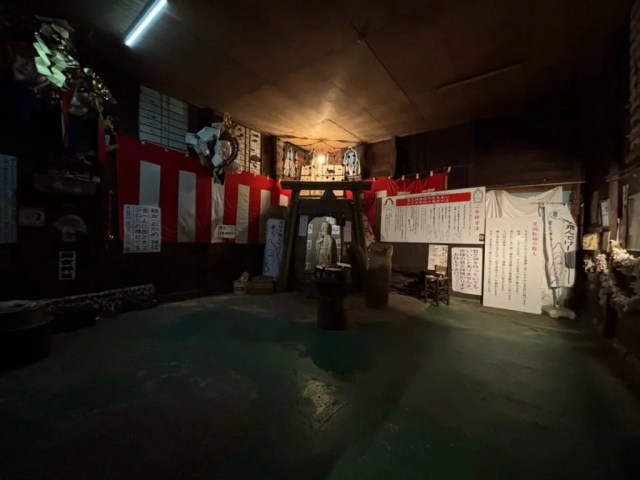
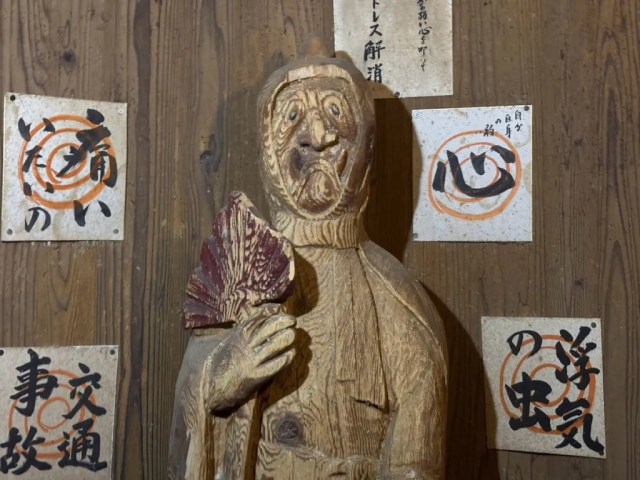
But where things get really strange is the shrine’s statue of a binbogami, or “god of poverty.”
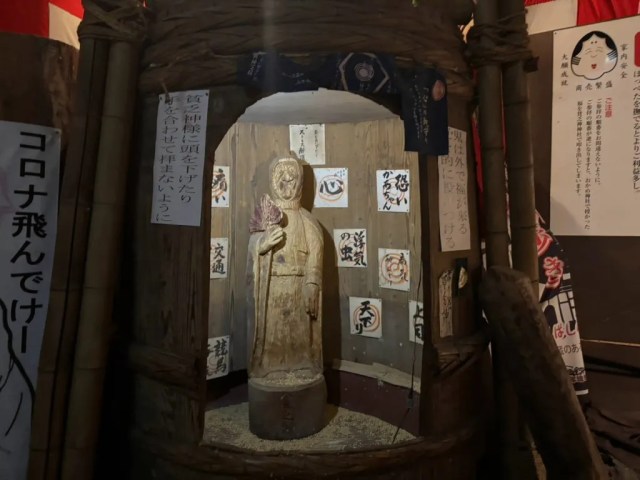
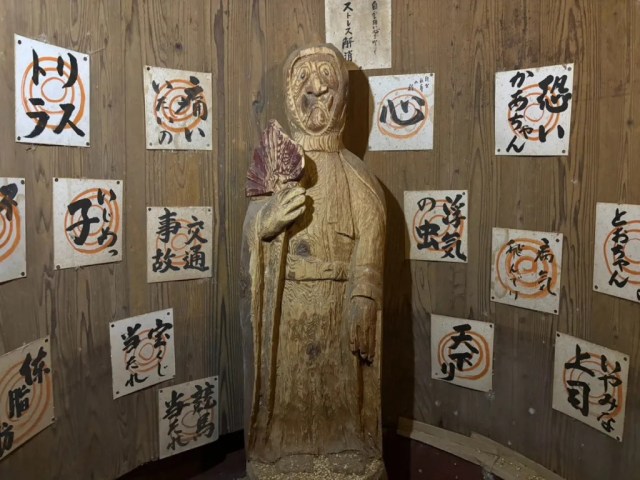
An one-horned creature with a gaunt physique and eyes shaped like gold coins, binbogami have appeared in Japanese legends and folklore since the 13th century. They’re said to be particularly fond of the smell of miso, using their tattered fans to waft the aroma of the staple food towards themselves to better savor the scent.
Of course, no one wants a god of poverty hanging around, especially since they’re said to not only trigger financial losses, but general unhappiness and lack of success. One way of getting rid of binbogami is supposed to be to prepare a tray of baked miso, carry it through your home, and then toss it into a river, so that the spirit will follow it into the waterway and drift away from your dwelling.
But at Binbogami Shrine, they have a different, more visceral method. First you put a 100-yen coin in the collection pot…
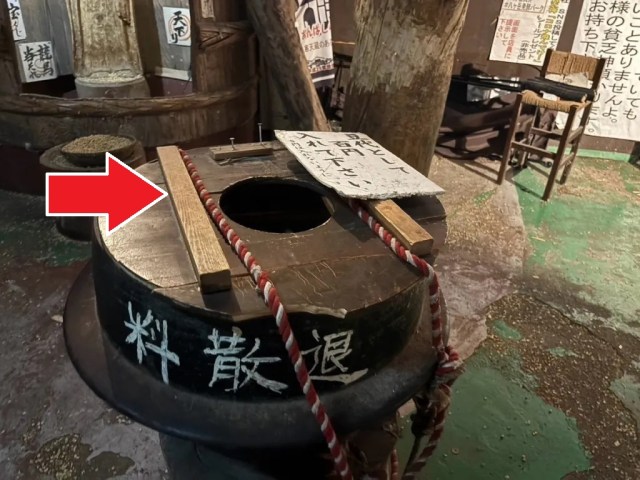
…then you pick up a “poverty stick”…
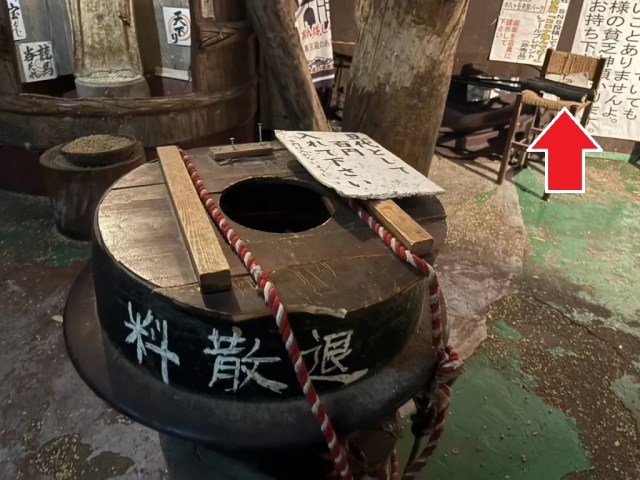
…and then you give the god of poverty three sturdy whacks!
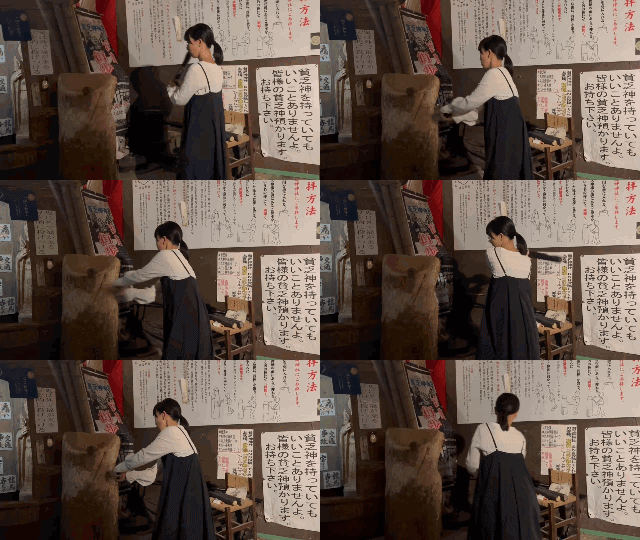
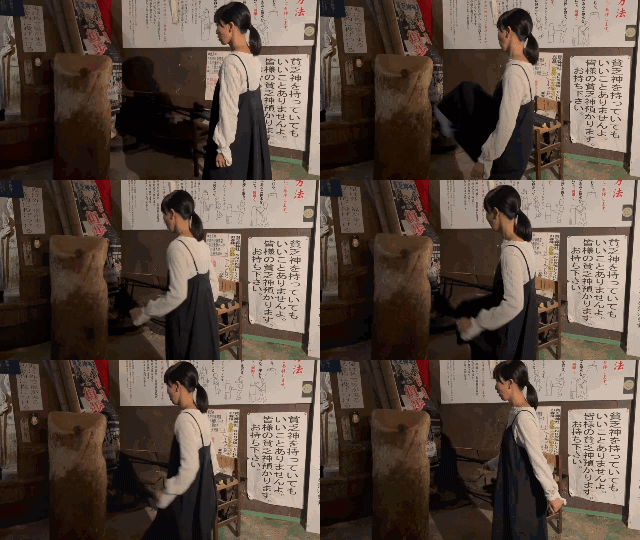
No more than three, though. After that, you have to set the stick down…because it’s time to kick the god three times too!
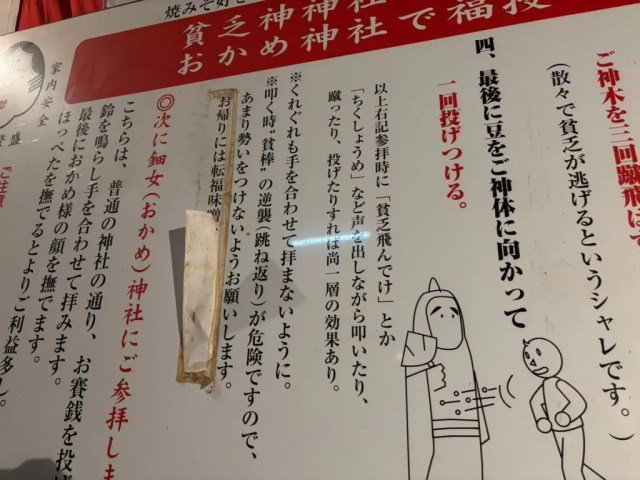
This process is described on the signs posted inside the shrine, which is a satellite branch of Nagano’s Suwa Shrine, which itself traces its history back to the 7th century. The signs also explain the final part of the ritual to drive away the god of poverty, which is to throw beans at the statue, giving it some overlap with the annual Setsubun bean-throwing festival in which launched legumes are said to repeal demons and misfortune. For extra effectiveness, calling out something like “Binbogami, begone!” or “Damn you!” during your toss is recommended.
Thankfully, Binbogami Shrine keeps a tray of beans ready…
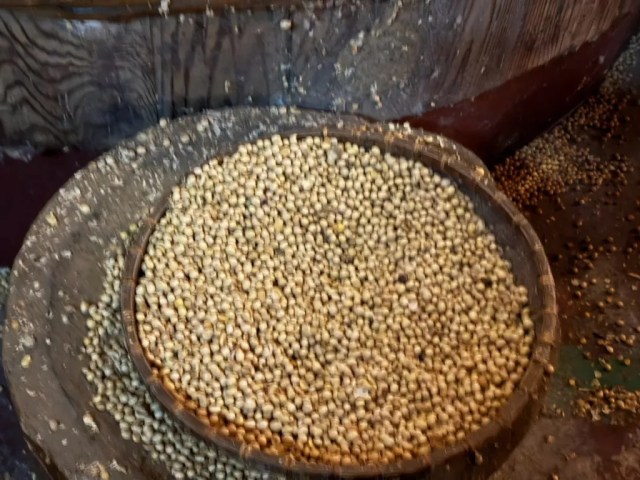
…so we pelted the god of poverty with a small handful of them.
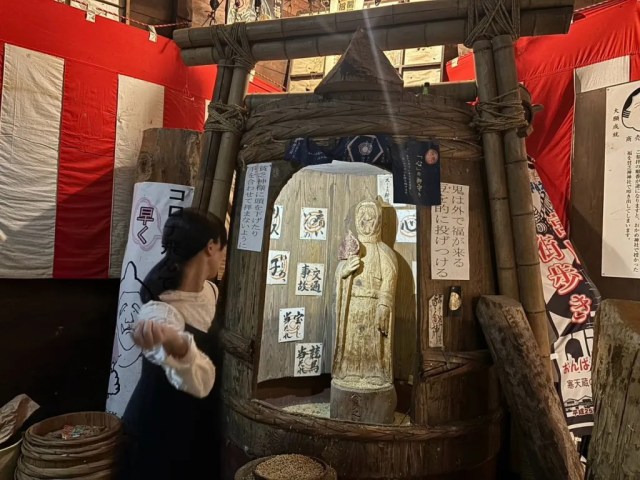
Pasted to the walls of the enclave that surrounds the binbogami are papers emblazoned with undesirables such as “my jerk boss,” “drunken middle-aged guys,” and “body fat,” as well as desired outcomes such as “Sickness, be gone!” and “Win the lottery.”
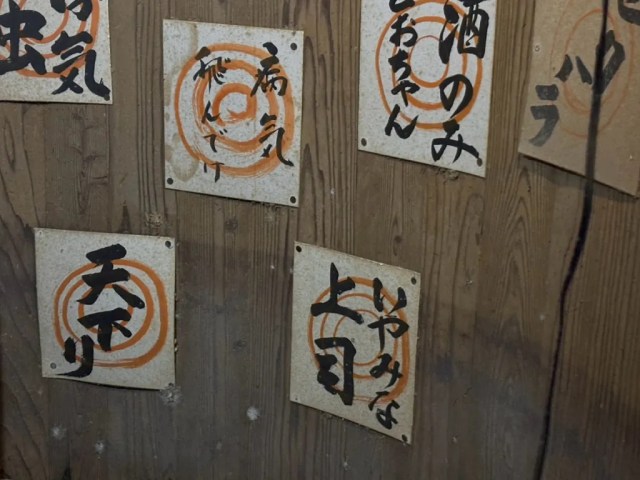
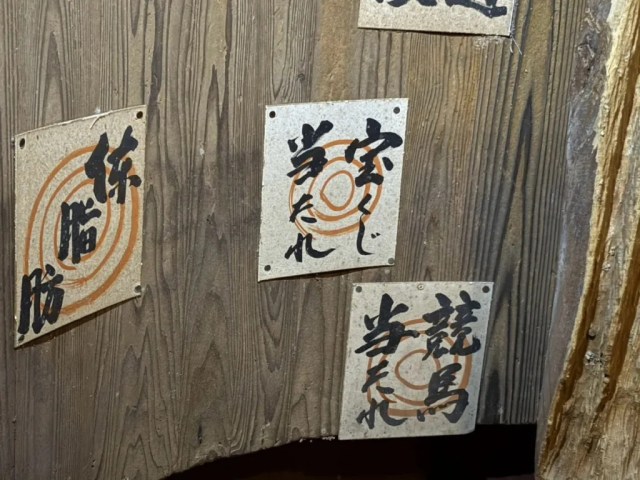
That mixture might seem a little contradictory, but the general sense is that by hitting, kicking, and throwing beans at the god of poverty, you’ll get him to leave you alone for a while so that bad things will stop happening to you, leaving more space for good fortune in your life instead.
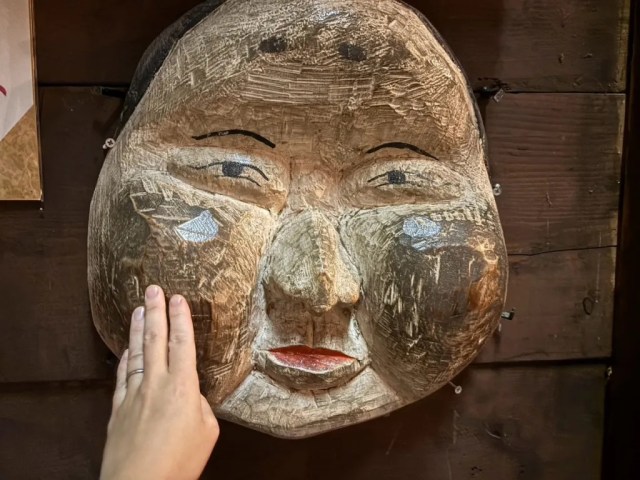
The shrine has a way to help call more good luck into you life too, in the form of an otafuku mask, also called an okame mask.
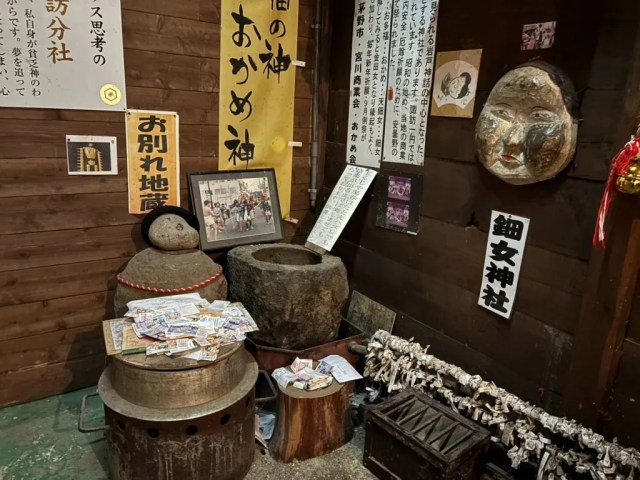
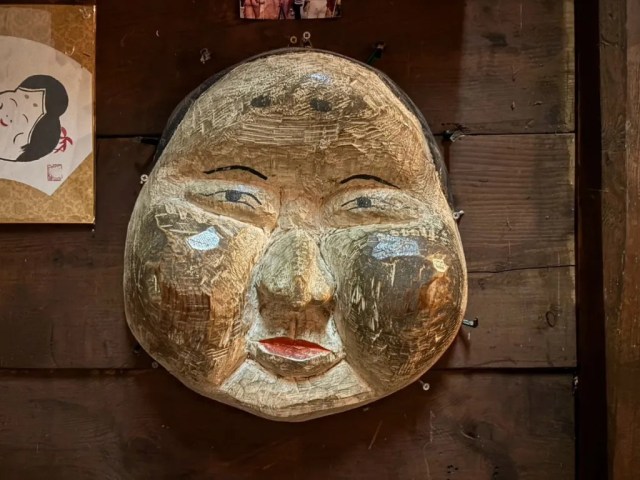
Since these are generally a symbol of happiness and good fortune, there’s no more hitting or kicking to be done, and instead you’re supposed to gently rub or pat the mask.
We’ve gone to a lot of shrines in our travels across Japan, but Binbogami Shrine stands out as a completely unique experience. If you’re headed there, though, there’s an important warning to keep in mind: While striking and kicking the statue is encouraged, the shrine also cautions to not hit the binbogami too hard.
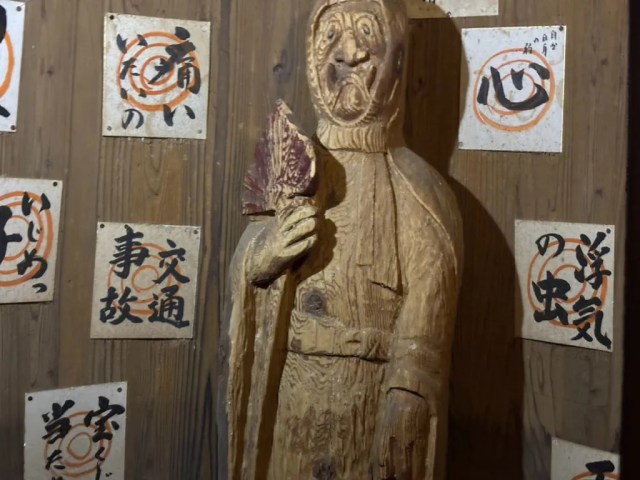
On a secular level, this helps keep the statue in good repair for the next visitors, but the shrine also says that too much ferocity directed at the statue will bounce back on you and actually increase your bad luck, so be careful not to overdo it.
Location information
Binbogami Shrine / 貧乏神神社
Located within Haako Park / 発酵パーク
Address: Nagano-ken, Chino-shi, Miyagawa 4529
長野県茅野市宮川4529
Open 9 a.m.-7 p.m.
Website
Photos ©SoraNews24
● Want to hear about SoraNews24’s latest articles as soon as they’re published? Follow us on Facebook and Twitter!
[ Read in Japanese ]