
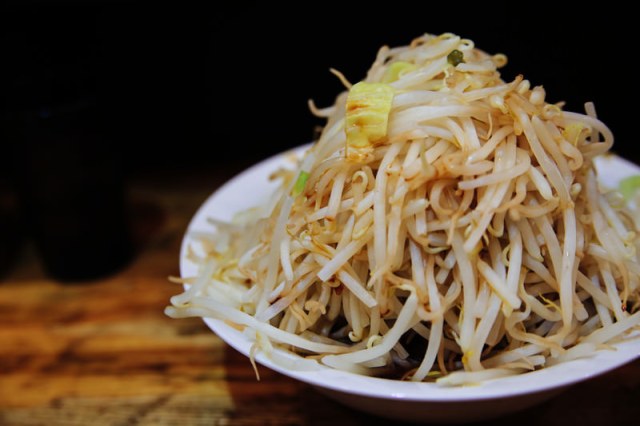
Could this spell doom for one of the most beloved ramen styles?
Bean sprouts, known as “moyashi” in Japanese, make an excellent addition to several dishes with their delightful texture and pleasantly mild flavor. It’s kind of like the Ichiro of the topping world, in that it’s a consistently clutch player that crucially supports a meal, even if it doesn’t stand out too often. And one dish which has embraced the joys of bean sprouts wholeheartedly is ramen.
We’re talking about “Jiro-style ramen” to be exact, a genre of ramen in which almost absurdly high piles of bean sprouts are sometimes placed atop the bowl.
▼ Other toppings are also included, but bean sprouts play a major role.
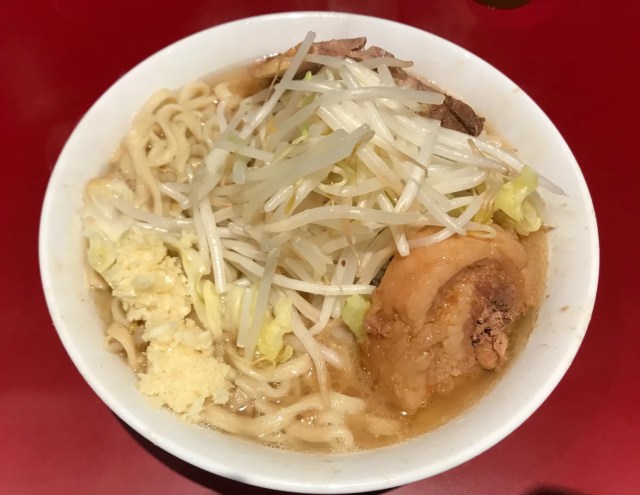
Jiro-style ramen has built up a cult-like following over the years, to the point people are willing to keep eating it even when the restaurant is on fire. This is thanks in no small part to the noble bean sprout.
This year, however, cracks in the bean sprout supply chain began to emerge. Saiki Shokuhin, a major producer of bean sprouts in the Kanto region around Tokyo, has apparently suspended operations without warning since last June and now appears to be completely shut down.
Many other Jiro-style ramen restaurants have been posting about the dire bean sprout situation on social media as well. Some owners have had to scour local supermarkets in search of bean sprouts in an effort to keep their loyal customers happy, because Jiro-style ramen without a giant pile of bean sprouts is, well… just ramen.
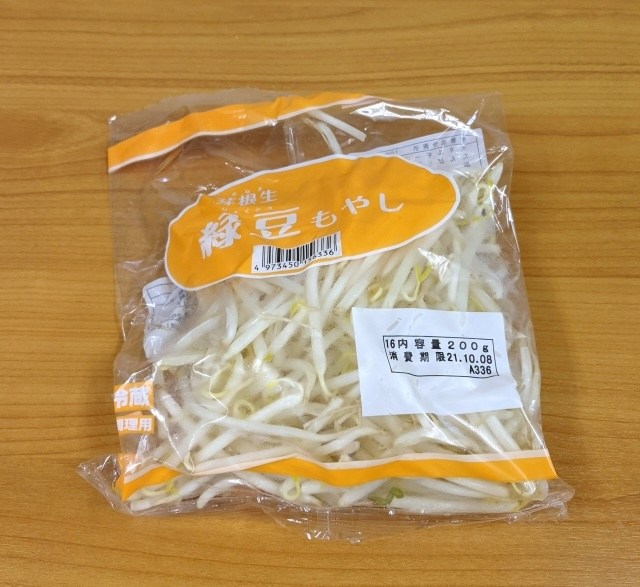
This crisis seems to have been a long time coming. From 2009 to 2026, the number of bean sprout producers in Japan fell from 235 to 86. Among their other positive traits, these immature plants are also known to be extremely cheap, with packs selling for well under 100 yen (US$0.63). The rapid inflation of recent years and even more recent issues with fuel have pushed some producers to the breaking point.
▼ This pack cost Mr. Sato just 28 yen, making it a great addition to any home senbero.
It would seem the only solution is to raise the price of bean sprouts, which would in turn raise the price of Jiro-style ramen, yet another sector desperately struggling to keep their relatively low prices that make them such attractive dining options. If ramen shops raise their prices, then their often cash-strapped customers will also dry up in a lose-lose situation.
In fact, this bean sprout situation is a pretty good illustration of critical flaws in Japan’s economy. Online comments of the news did a surprisingly good job of laying out a lot of the factors behind it.
“The reason bean sprouts were so cheap was the stable production behind them. Disrupt that, and it doesn’t just affect restaurants but households as well.”
“If we want to ensure bean sprouts remain affordably available to everyone, we have to fix the economic factors supporting production.”
“For now, the price needs to go up to keep producers going, but this price instability is unsustainable and needs to change.”
“I always look forward to Jiro-style ramen on my cheat day, and appreciate how affordable they are. But this news gives me pause. Cheap food is great, but if the producers don’t get enough money then the customer will ultimately suffer.”
“I’ve seen packs of bean sprouts for 19 yen at the supermarket and always wondered how they stay in business. I’m grateful that they keep prices so low, but they should charge enough to be sustainable.”
“They’re so cheap already, they’d still be cheap even if the price went up.”
“I used to be a producer wholesaler and supermarket buyers would refuse any kind of price increase, threatening to change producers if we did. This problem is caused by short-sighted buyers who force the producers to shoulder the cost increases until they go bankrupt.”
To summarize, bean sprout producers are dealing with mounting costs for just about everything from fertilizer to fuel. On the other end of the chain, most consumers are struggling with the cost of just about everything rising and have to pay close attention to what they buy and eat. Knowing this, supermarkets and other retailers do as much as they can to keep their prices low and keep their customers coming, including putting pressure on producers not to raise their prices.
It’s easy to see how this system is unsustainable, and poised to break down in spectacular fashion as producers go under, and the supply simply dries up to the point bean sprout prices skyrocket way beyond what they would have had the price just gone up slightly to begin with.
▼ Image this costing 1,000 yen… I might still eat it sometimes.

The comments also showed how many consumers can tolerate price increases when required, but with retailers mainly calling the shots with regard to pricing, it still doesn’t happen. A few years ago, the makers of Garigari-kun ice candy and Umaibo puffed corn snacks made headlines for issuing public apologies for raising their prices by a few yen. Both were met with praise from customers who said they’d remain loyal to companies who are honest about their prices and explain their situation.
Though, in light of recent events, I’m starting to wonder if that could even be a way for producers to go over the heads of retailers and appeal directly to the public. If the bean sprout growers’ association issued a public apology for having to raise prices by 5 yen a pack, they’d almost surely get a good response from people in Japan, leaving buyers with little leverage to refuse said price increase.
Anything’s possible, but ultimately, there are clearly far more fundamental issues with Japan’s economy that need to be worked out so everyone can eat well and make a living. This is just the tip of the pile of bean sprouts on a bowl of Jiro-style ramen.
Source: TV Asahi News, Yahoo! Japan News
Top image: Pakutaso
Insert images ©SoraNews24
● Want to hear about SoraNews24’s latest articles as soon as they’re published? Follow us on Facebook and Twitter!