
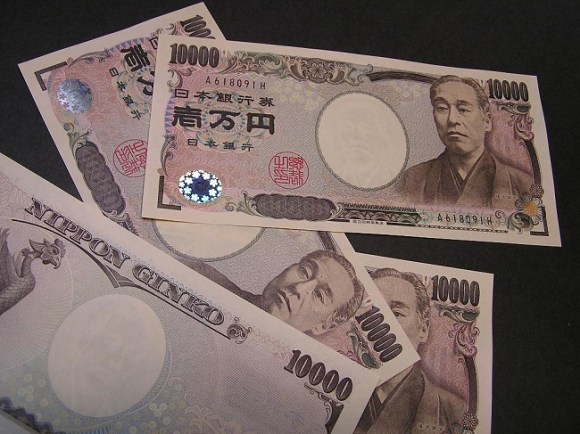
The world economy has taken a pretty big hit since 2007, and every country is doing what it can to recover. Some have been able to do better than others, but for most people, they haven’t gotten back to pre-crash numbers, whatever that may be.
While unemployment numbers have steadily decreased in the US, Japan has its own unique set of economic problems to deal with. With an unemployment rate sitting at 3.6 percent as of September 2014, an entirely different sort of problem is rearing its ugly head here. How can a low unemployment rate cause problems? For that answer, we have to turn to the parents.
The Ministry of Health, Labor and Welfare asked a variety of questions to young Japanese between the ages of 15 and 34 to determine some details about the work force in Japan.
A shocking statistic revealed itself in the survey they called “Survey of Employment of Young People”. While many Japanese citizens in that range are employed, a lot of them consider themselves to have non-regular jobs, or temporary jobs. Temporary jobs include part-time jobs, contract employment, and any temporary work. Of these people, when asked what their main source of income was, 40.3 percent of them responded with “my parents’ income”.
▼“Here’s your weekly allowance!”
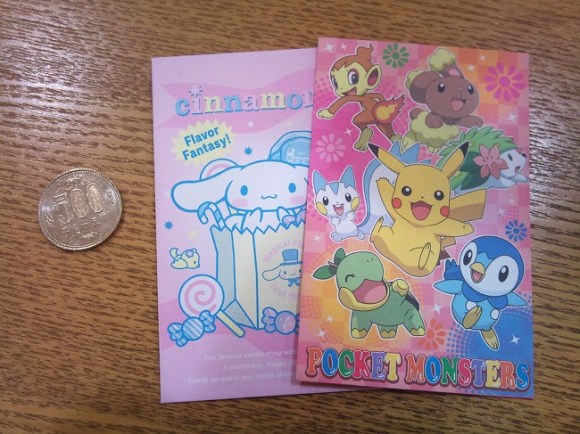 Image: Flickr (tecking)
That’s a startling number of people who don’t consider their employment to be paying them a livable wage. Of course, every person’s situation is different, but there is a lot to be concerned about when people aren’t able to live their daily lives with just their wages, suggesting that the minimum wage in Japan is too minimum. These results don’t offer enough concrete data to say one way or another though. Perhaps these part-time jobs are unable or unwilling to employ their workers for more hours in a week. It could also be that these young adults are choosing to work low hours and rely on their parents. But that is a whole different can of worms.
 Image: Flickr (Ayaka Darkly)
Another interesting aspect of employment in Japan that the survey revealed was regarding those with long-term employment. For example, of the respondents who consider themselves to have a regular income, 22.5 percent of them work more than 50 hours a week. That seems like a small number of people considering the “culture of working” in Japan. But then again, these are 15- to 34-year-olds, with almost half of that age range possibly still attending school.
This “culture of working” is such an ingrained stereotype of the average Japanese salary worker. But, how much overtime are they working? A question on the survey asked respondents if they put in more than 80 hours of overtime a month. On average that works out to be 3.2 hours of overtime a day which is where karoshi (death by overworking) occurs. A frightening 7.2 percent answered in the affirmative. That’s a fairly significant number of young adults that are working their youth away.
While people in other countries might focus on the overtime aspect of the survey, Japanese citizens will assuredly be more concerned with the number of youth unable to earn a decent wage. How bright can the economic future of Japan be when 40.3 percent of them can’t seem to earn enough to invest in their own future? It could be an incredibly important question for how well “Abenomics” is working. These part-time workers may have enough free time on their hands to influence government policy. That is, if their parents give them permission to go out on the weekend.
Source: My Game News Flash via bengoshi dot com news
Additional Information: Trading Economics
Top Image: Flickr (Yamanaka Tamaki)
 Which jobs in Japan have the most and least overtime? Survey investigates
 Live with parents or burn through your savings? Survey of young anime workers draws bleak picture
 Lots of Japanese parents want their kids to work for Nintendo, but not just for the money, survey says
 Survey by Japanese ministry reveals high rates of “maternity harassment” in workplace
 Survey reveals that many young people in Japan are experiencing loneliness and isolation
 Fake police phone scam also highlights dumb stereotype about how foreigners speak Japanese[Video]
 Secret Starbucks sausage customization sparks sweet joy in Japan[Taste test]
 Tokyo sakura report: Why Shinjuku Gyoen beats Ueno Park for hanami cherry blossom viewing
 10 awesome Tokyo cherry blossom festivals and experiences for this year’s sakura season
 The massive Pokémon card public art display going on in Japan right now is a thing of beauty【Pics】
 Godiva now makes tofu in Japan, and sakura chocolate tofu too![Taste test]
 Tokyo’s amazing 2D Cafe looks like an illustration, but it’s an actual restaurant you can eat in!
 Genuine Muramasa blade and Muromachi katana on display at Tokyo’s Touken Ranbu store【Photos】
 Expo 2025 mascot Myaku-Myaku to release tastefully erotic photo book
 Starbucks Japan releases new My Fruit³ Frappuccino at only 34 stores around the country
 Train station platform ramen store closes its doors on half a century of history in Tokyo
 Japanese onsen egg maker from 100-yen store Daiso needs to be on your shopping list
 Cherry blossoms begin blooming in Japan with record-early starts for sakura season
 Studio Ghibli adds new Mother’s Day gift sets to its anime collection in Japan
 Tokyo government organizes food truck event to clear out delinquent/homeless teen gathering area
 The next time you’re feeling stressed out, you could relax on a Pokémon Psyduck chair from Japan
 Nine amazing off-the-beaten-path cherry blossom spots in Japan for yaezakura and shidarezakura
 When will the cherry blossoms reach full bloom in Japan this year?[Forecast]
 7-Eleven Japan’s giant fried chicken skewer would be too big to eat, so it’s really for cuddling
 Starbucks Japan unveils new sakura cherry blossom collection for hanami season 2026
 Studio Ghibli releases Catbus pullback keychain that runs like the anime character
 Nine great places to see spring flowers in Japan, as chosen by travelers (with almost no sakura)
 Starbucks Japan releases first-ever Hinamatsuri Girls’ Day Frappuccino
 Japan’s cherry blossom season predicted to start earlier than we’d thought, especially in Tokyo
 Survey asks foreign tourists what bothered them in Japan, more than half gave same answer
 Japan’s human washing machines will go on sale to general public, demos to be held in Tokyo
 Starbucks Japan releases new drinkware and goods for Valentine’s Day
 We deeply regret going into this tunnel on our walk in the mountains of Japan
 Studio Ghibli releases Kodama forest spirits from Princess Mononoke to light up your home
 Starbucks Japan releases new sakura goods and drinkware for cherry blossom season 2026
 Japan’s newest Shinkansen has no seats…or passengers [Video]
 Major Japanese hotel chain says reservations via overseas booking sites may not be valid
 Put sesame oil in your coffee? Japanese maker says it’s the best way to start your day【Taste test】
 No more using real katana for tourism activities, Japan’s National Police Agency says
 Nearly half of young Japanese women say they “hate” the company they work for in survey
 Over 50 percent of single Japanese women in their 20s struggle to make ends meet, survey says
 Survey asks Japan’s ex-NEETs if they miss their lazy, carefree days after finally getting a job
 Swank is key! Most young Japanese part-timers wish they worked at Starbucks
 Survey reveals that Japanese women’s ideal husband is surprisingly ordinary
 Young Japanese men say paying for dates is the hardest part of life as a guy【Survey】
 More than half of young anime workers live with their parents or receive money from them【Survey】
 Survey says more than 70 percent of Japanese people think gender inequality exists in Japan
 What’s the best way to close the gender gap in Japan? Japanese women weigh in
 Survey reveals most Japanese workers want to work from home at least twice per week
 Over 30 percent of surveyed Japanese managers feel intense stress from working with foreigners
 Most of Japan’s new adults hope to fall in love and get married, according to recent survey
 Barely half of Japanese men in survey will give thank-you gift to women for Valentine’s chocolate
 Japanese company trips – Workers “absolutely hate” them, so why do they still happen?