

Could this 40-year-old, quintessential Japanese summer program be on its deathbed?
In Japan, 24-hour TV shows are big events, and in summer, none is bigger than Nippon TV’s “24-Hour Television”. It’s an annual, live charity telethon that, despite its name, often runs for more than 24 hours. The goal for each one is to raise money for domestic or international social welfare, environmental protection, or disaster relief and support, and it has been a staple of Japanese summer television for 40 years.
But the director of the production company in charge of the telethon says that Nippon TV executives should either be extremely embarrassed, or quaking in their boots, because the show is apparently struggling due to low donation rates, inappropriate spending, lack of celebrity interest, and a decrease in viewer popularity.

Over the last few years, donation amounts have been steadily decreasing. Last year’s donations, in fact, were more than 3 billion yen (US$27.2 million) lower than the average. Typically 24-Hour Television brings in about 10 billion yen in donations (more than US$90 million), and after the Great East Japan Earthquake and Tsunami in 2011, they raised an impressive 19 billion yen.
Sadly, though, last year’s donation didn’t even cap 7 billion yen, and the collections in 2015 and 2016 were also well under the 10 billion yen average. Apparently that’s due to the fact that an increasing percentage of donations were small-change donations instead of the larger donations received in previous years.
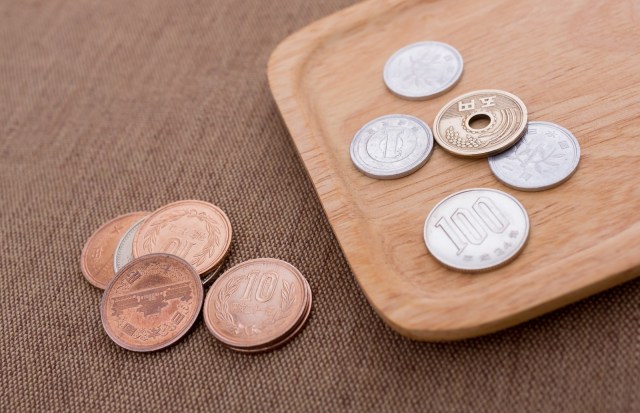
The problem of low donations is exacerbated by poor spending choices on the part of Nippon TV. Although they may have raised 7 billion yen, much of that was likely deducted for production expenses, some of which are allegedly extravagant. For example, the two MCs of last year’s show were paid 5 million yen (US$45,000) each, which seems a tad high, given that the entire point of the broadcast is to raise money for charity.
Not only that, but the Charity Run, which is a main component of the show, is also a significant money drain. In this marathon, a celebrity “volunteer” makes a sizeable donation and runs roughly 100 kilometers (62 miles) through Tokyo to the Budokan where the live show is filmed. But the “volunteer” is not actually a volunteer; they are, according to the director, paid about 10 million yen to run.
▼ Handycam footage of the 2012 runners, pro wrestler Keisuke Sasaki and family, making it to the end goal
Technically, they aren’t receiving “pay”, says the director; since the celebrities donate far more than they’re being paid. The salary they receive is also written off as “transportation expenses”, so, according to the books, they aren’t receiving anything they shouldn’t. But that seems like an oddly shifty way to go about accounting for a charity, and 10 million yen seems like an excessive amount of money for “transportation”.
Since Nippon TV is reportedly already paying 20 million yen to just three celebrities out of dozens that might appear, you can see how this suspicious spending is causing some controversy. In fact, when this information was released, the negative publicity spread like wildfire on social media, where many called the show hypocritical.

Because of this, many celebrities are rejecting offers to become the “Charity Runner”, citing it strange that they should get paid to participate in a fundraiser. Those that have accepted in recent years are one-hit wonders or new celebrities whose success may be thanks to their appearance on Nippon TV’s programming, and who, as a result, might find it more difficult to refuse.
Even fledgling celebrities are not interested in participating in this part of the show, though, because not only is it a truly difficult and time-consuming experience–they have to train with a marathon trainer for months before the airing of the show–, being the charity runner has come to have little value, even for newbies.
That’s in part thanks to the timing of the show–it’s on the weekend, which is the most lucrative time for celebrities, as it’s apparently when there are the most paying gigs. Celebrities can work at one or two sets on a Saturday and make more money, plus get better air time by appearing more than once on television. For those who are charity minded, they can later donate money in their private time, which is even better for their social image.
▼ A preview of this year’s 24-Hour Television, where popular Olympic ice skater Yuzuru Hanyu will apparently skate to Disney on Ice with children
24-Hour Television is even less appealing for celebrities because it is losing popularity among Japanese viewers. Many viewers these days dislike the show, which fills its more than 24 hours of content with emotionally charged drama specials, documentaries, and interviews with disaster victims or disadvantaged individuals. Some refer to it as “emotional porn”, since it capitalizes on sob stories and evoking emotional responses from viewers. Japanese viewers have already shown that they don’t like those kinds of segments, as revealed by a 2016 poll, which doesn’t bode well for the fate of the show.
▼ A segment about deaf children from the 2015 24-Hour Television, which is a good example of their typical heart-string-tugging media
24-Hour Television’s struggle to captivate audiences and gather donations, its shortage of willing celebrities, and its poor money management may lead the 40-year-old summer staple to its demise. Could it become another victim of a Japanese company’s refusal to adapt to changing markets and audiences, like the manga industry?
This year’s show, whose theme is “People who change lives”, and which will (hopefully) raise money for the flood-affected areas in Western Japan, will be aired live from 12 p.m. on August 25 to 7:20 p.m. on August 26. We’ll have to wait and see how this year’s show does to find out if it will survive to see another year.
Source: Yahoo! News via My Game News Flash
Top Image: 24 Hour Television
Insert Images: Pakutaso (1, 2, 3)
 Studio Ghibli director Goro Miyazaki creates charity character T-shirt for Japan’s 24-Hour TV
 Woman in Japan accidentally pees herself during live broadcast
 Poll shows most disabled people in Japan dislike “inspirational” documentaries about disability
 Japanese public restroom ads donate to charities every time a stall is used
 Sazae-san breaks own Guinness World Records again for 55 years on television
 Mt. Fuji decorated with a 500,000-flower pink carpet is Japan’s ultimate spring view
 Pringles Chocolate, but with a Japanese twist, is the snack hack you should be trying right now
 30 Pikachus want to share a Tokyo hotel room with you that has separate Grass, Water, Fire spaces
 Man bites woman at cherry blossom park in Japan, dies shortly after
 Howl’s Moving Castle’s scene-stealing dog is here to clean your home as a plushie mop
 New Travelling Bento pouches turn your luggage into a Japanese lunch box
 Foreign man arrested for walking on Shinkansen tracks, claims he was on the run from yakuza
 McDonald’s and Gundam team up for customized anime mecha and fried chicken sandwiches[Video]
 Escape from downtown Tokyo! How far from the city center can you get by rental bike in 8 hours?
 Japanese manhole lid raises eyebrows with fertility god symbol that looks like… well, you know
 Japan reportedly adding Japanese language skill requirement to most common foreigner work visa
 Pokémon and Ikea Japan cross over into each other’s worlds with collaboration events
 Starbucks Japan closing only Shinkansen platform branch for popularity-triggered renovations
 You can assemble a well-balanced team of Pokémon, them eat them, thanks to Japanese cake chain
 Two food hacks take Japan’s convenience store fried chicken to amazing new sandwich heights
 7-Eleven Japan’s new baked-in-store sweet treat is only available in three parts of the country
 Peanuts and Coke becomes a viral hit in Japan, but is it a trend worth joining?
 Japan now has a special desk for people who work at home with a pet cat[Photos]
 Famous Tokyo cherry blossom spot installs view-blocking screens to fight overcrowding[Video]
 Uniqlo announces new T-shirts for One Piece, Naruto and more for manga publisher’s 100th birthday
 Train station platform ramen store closes its doors on half a century of history in Tokyo
 Starbucks Japan releases new My Fruit³ Frappuccino at only 34 stores around the country
 Krispy Kreme releases Super Mario doughnuts in Japan for a limited time
 Japanese onsen egg maker from 100-yen store Daiso needs to be on your shopping list
 Studio Ghibli releases Catbus pullback keychain that runs like the anime character
 Survey asks foreign tourists what bothered them in Japan, more than half gave same answer
 Japan’s human washing machines will go on sale to general public, demos to be held in Tokyo
 Starbucks Japan releases new drinkware and goods for Valentine’s Day
 We deeply regret going into this tunnel on our walk in the mountains of Japan
 Starbucks Japan releases new sakura goods and drinkware for cherry blossom season 2026
 Studio Ghibli releases Kodama forest spirits from Princess Mononoke to light up your home
 Japan’s newest Shinkansen has no seats…or passengers [Video]
 Major Japanese hotel chain says reservations via overseas booking sites may not be valid
 Put sesame oil in your coffee? Japanese maker says it’s the best way to start your day【Taste test】
 No more using real katana for tourism activities, Japan’s National Police Agency says
 20th Century Boys star Toshiaki Karasawa named Japanese Jack Bauer in 24 reboot
 5 ways Japanese TV shows are broken, according to expats
 “Do honky” command Japanese TV show’s T-shirts
 Japanese netizen backs out of initial promise to donate one million yen to Palestinian refugees
 Japanese TV show about draining ponds becomes surprise hit with viewers
 Pro gamer reveals the unexpected activity that takes up to 15 hours a week