There’s a whole lot of bowing involved.
It’s customary in Japan to go to a Shinto shrine in early January to pray for health, happiness, and prosperity in the year to come. Because of that, we figured right now is a good time to review the traditional etiquette for visiting shrines in Japan, though the process is the same, actually, no matter what time of year you go.
To double-check our manners, we hopped onto the website of the Tokyo Jinjacho, or Tokyo Shrine Agency, for a refresher, and according to the agency there are four parts to a traditional shrine visit.
1. Bow before passing through the gate
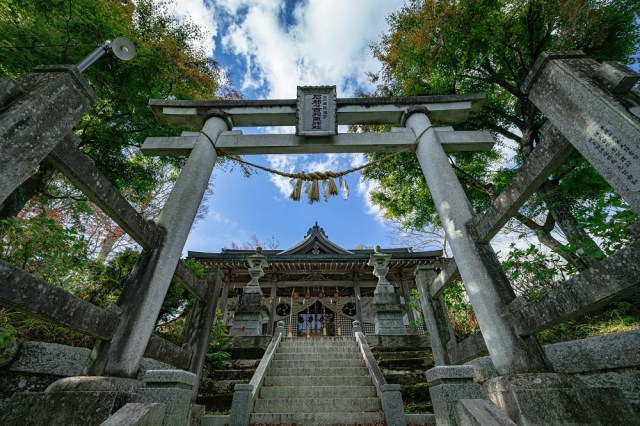
At the entrance to the shrine grounds you’ll see a torii, a gate made of vertical pillars with a pair of crossbeams. Before passing through the torii, stop and bow, then proceed on to the shrine grounds.
2. Purify yourself with water
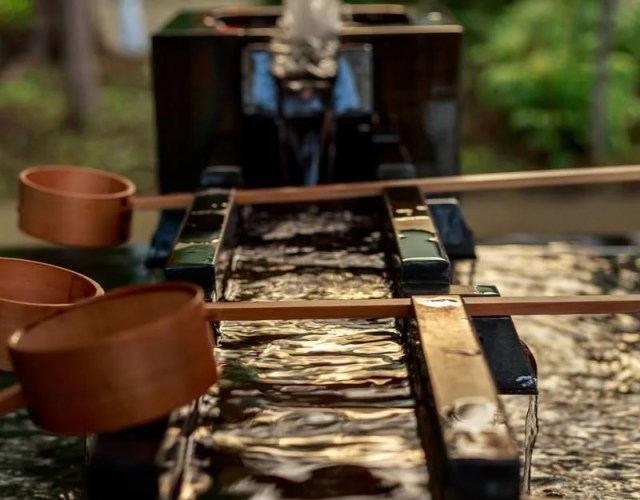
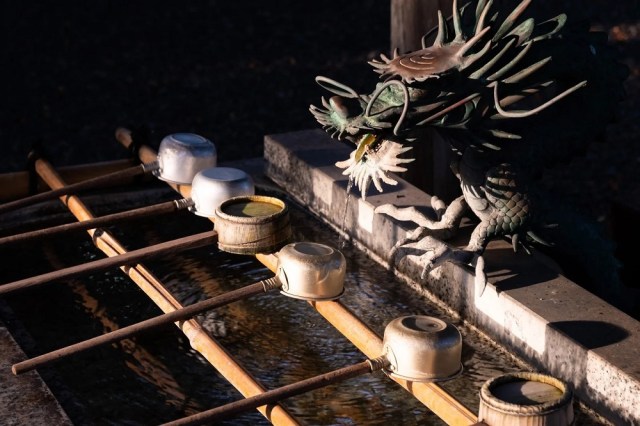
Inside the shrine grounds, usually not far past the torii, you should see a fountain. Alternately called either a temizuya or chozuya, this is a place to cleanse your body and mind with water, which is held to have purifying properties in the Shinto faith.
Generally there will be ladles at the fountain. Take one in your right hand, fill it with water, and pour some over your left hand, making sure that the water falls onto the ground, not back into the fountain. Then transfer the ladle to your left hand and repeat the process to wash your right hand. Next, take the ladle in your right hand once again and pour a small amount of water into your left palm, cupping your hand so that the liquid doesn’t spill. Use this water to rinse your mouth (again being careful that when you spit out the water it doesn’t fall back into the fountain. Finally, pour water on your left hand one more time, and once the ladle is empty, replace it on the edge of the fountain.
3. Make an offering of a coin at the altar
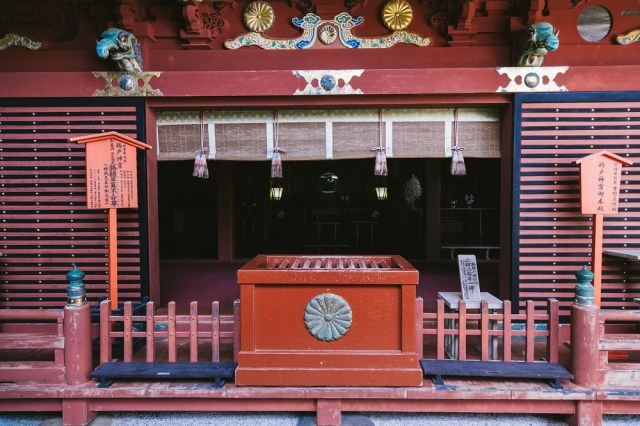
Next, make your way to the main altar. While regular visitors can’t go all the way up to the altar itself, in front of it you should see a donation box, called a saisenbako. It’s generally a broad, rectangular box with wooden slats across the top for visitors to toss coins into.
Stand in front of the box, give a brief bow, and toss in a coin, using a gentle motion. At many shrines you’ll also see a cord hanging down that you can shake to ring a bell, which you do after tossing in your coin.
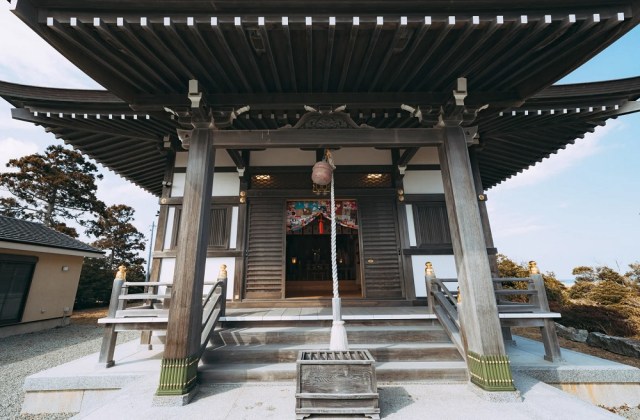
By the way, it’s common for people to offer a five-yen coin, since the way to say “five yen” in Japanese, “go en,” sounds the same as goen, which means “a good or fortuitous connection.” However, this is actually just a bit of fun wordplay, with no religious or mythological basis, so shrines say that the gods will hear your prayers just as well even if you offer a non-five-yen coin.
4. Two bows, two claps, one bow

After you’ve offered your coin and rung the bell, if there is one, bow twice in a row (the Tokyo Shrine Agency says to bow at the waist to a 90-degree angle) with your hands at your sides. Next, clap your hands together twice, starting with your hands roughly shoulder-width apart and at chest level, and press your palms together, with your fingers pointing upwards. Your right fingers should be slightly lower than your left ones (if your right fingertips are at about the first joint on your left fingers, they’re in the right place).
Now it’s time to pray, but Shinto prayers work a little differently than some other religions’. There’s not really a common pre-set, general purpose, everyday prayer like the Hail Mary or Our Father that expresses gratitude or asks for forgiveness or guidance, and you could make the argument that many shrine visitors’ prayers are similar to wishes, ranging from overall hopes for good health and happiness for you and your loved ones, safe births, protection from natural disasters or traffic accidents, or even success in academics, sports, or business ventures.
Whatever the topic of your prayer/wish is, once you’ve silently made it, bow one more time, turn, and step away from the donation box so that the next person in line can make their offering.
If you’re a Shinto shrine newbie, that might sound like a lot to remember, so here’s the abridged recap:
1. Bow before you walk through the torii gate.
2. Wash your hands and rinse your mouth with water from a ladle at the fountain.
3. Bow at the collection box, gently toss in a coin, and ring the bell if there is one.
4. Bow twice, clap twice, pray, and then bow one more time.
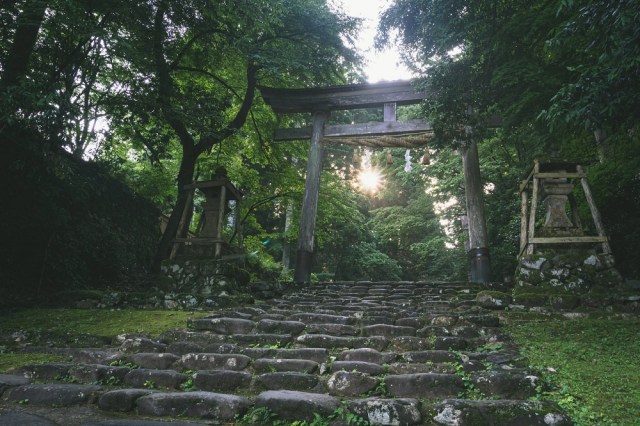
Now, with all that said, there’s one more thing to keep in mind: While these are the traditional steps for visiting a shrine, not even all Japanese people strictly observe each and every aspect of the process. Bowing before passing through the torii, for example, is considered a classic show of respect, but you’ll also see Japanese people who stroll through without stopping. Similarly, not everyone bothers to walk to the fountain to wash their hands, and rinsing your mouth is another step that a lot of locals skip, especially since the pandemic. Placing your right hand slightly lower than your left when you clap/pray is another orthodox custom that more than a few Japanese people are unaware of or don’t worry all that much about following.
Especially if you’re visibly a foreign tourist, Japanese people are unlikely to get bent out of shape if don’t follow each and every step we discussed. However, it’s important to refrain from doing anything that outright violates these customs. Climbing on the torii, pouring water back into the fountain, ringing the bell just to hear its sound without making a donation, or chucking coins into the collection box from long distance like you’re Stephen Curry shooting a three-pointer are all going to tick the local population off at a time when impolite behavior from overseas travelers is becoming an increasingly frustrating phenomenon in Japan. So even if you’re not following the traditional shrine visit steps yourself, knowing, and remembering, what they are will help you avoid impeding other people’s ability to follow them.
Reference: Tokyo Jinjacho
Top image: Pakutaso
Insert images: Pakutaso (1, 2, 3, 4, 5, 6)
● Want to hear about SoraNews24’s latest articles as soon as they’re published? Follow us on Facebook and Twitter!
[ Read in Japanese ]