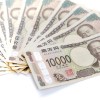

Japan is now at a cultural tipping point, where foreign influences threaten to destroy local customs.
With the yen reaching record lows and visitors from abroad reaching record highs, Japan has never seemed so attractive and affordable to overseas tourists. A lavish sushi dinner here can cost the same as a casual takeout back home, and designer fashion, electronics, and hotel stays are considered cheap for overseas travellers flush with strong currencies.
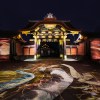
▼Foreign tourists in Japan right now.

Yet beneath this tourism boom bubbles a brimming cultural problem. While visitors indulge, Japanese households are struggling. Inflation has hiked up the costs of groceries, fuel, and utilities, but wages remain stubbornly stagnant, meaning it’s now harder than ever for locals to simply make ends meet. These daily financial struggles are in stark contrast to the rich affluence of foreign visitors, and the abundance of overseas wealth is now threatening to make things even harder for locals when it comes to dining out.
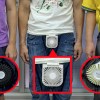
▼ Locals in Japan right now.

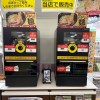
The problem lies in the presence of tip jars, which have been appearing increasingly in restaurants and cafes in response to foreign visitors who try to hand cash to waiters or leave bills on the table as they would when tipping service staff back home. Japan has long prided itself on its no-tipping culture, as excellent customer service is considered standard with no strings attached, but with more and more tourists wanting to tip when dining out, some restaurants have decided to capitalise on the opportunity by placing tip jars on counters as a way of quietly accepting tips from eager foreigners.
As a result, a practice once thought to be at odds with Japanese values is now quietly creeping into daily life, and not for the better.
In a society like Japan, any shift towards tipping culture is fraught with risks. The presence of tip jars threatens to undermine Japan’s cultural approach to service, replacing intrinsic pride in hospitality with a transactional mindset that incentivises customer service, resulting in varying levels of hospitality that erodes the high standard that currently exists.
It also risks creating a two-tiered system where wealthier foreign tourists set the standard at a high price that locals cannot meet. If foreigners feel dismayed by the two-tier pricing system recently introduced at some tourists sites, then they should avoid tipping as this practice further strengthens the notion that foreigners are happy to spend more than necessary.
Furthermore, if workers start to rely on tips, employers may feel less pressure to raise wages, essentially tightening the pinch felt by struggling households.

Then there’s the problem of income tax, which has to be paid on gratuities according to Japanese law, so the tip you give to one waiter for excellent service may not go directly to them at all, instead being pooled and centrally managed by their employer, who often handles tax filings for employees in Japan.
A more unsettling ramification, however, is the social tension that tipping threatens to create between locals and foreigners. Japanese customers who are already struggling, cannot afford to tip, whereas foreigners, emboldened by their purchasing power, can. This imbalance risks reinforcing divisions in everyday social spaces, from cafés to ramen counters, and puts pressure on locals to tip to get a good level of service, even if they can’t afford the luxury.
The presence of tip jars in Japan sends a subtle yet powerful message that foreign customs are already threatening to erode the fabric of society, and for a country already navigating economic uncertainty, the fear is that cultural erosion may follow close behind.
Pride, professionalism, and the cultural belief that hospitality should not carry a price tag have long meant that customers have enjoyed God-like status in Japan. However, with foreign tourists now introducing tipping culture into society, Japan stands at a tipping point. What is at stake is not only money but social and cultural identity. Service without tips has long been neatly woven into the nation’s societal fabric, where dignity and care are seen as universal entitlements rather than luxuries to be rewarded.
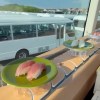
▼ This level of hospitality is standard in Japan, no strings attached.

The unprecedented wave of inbound tourism is delivering billions into the economy at a time of need, but alongside this prosperity comes the pressure to adapt, to bend, and to absorb the habits of those fueling the boom. The rise of tipping culture might seem like a small detail on the surface, but it has the potential to cause a seismic shift in the unique beauty of Japanese culture that attracts foreign tourists in the first place.
As Japan struggles with the tug-of-war between globalisation and cultural preservation, it remains to be seen whether Japan will resist changes to the future of its service culture or if it will kneel to outside forces wanting to reshape it. However, the power lies largely in the hands of foreign tourists. So if you respect the local culture and the intricacies that have strengthened its delicate fabric over hundreds of years, then we strongly suggest you resist the urge to tip. What may seem like a kind gesture towards an individual has the power to unravel an entire culture, and if you’d prefer to live in a world where excellent service is freely given and not bought, it might just be better to spread the culture of not tipping instead.
Sources: Mainichi via Itai News
Top image: Pakutaso
Insert images: Pakutaso (1, 2, 3, 4)
● Want to hear about SoraNews24’s latest articles as soon as they’re published? Follow us on Facebook and Twitter!