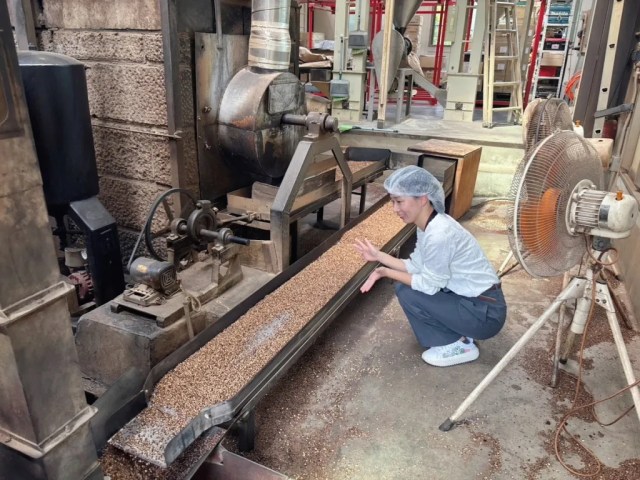
With barley tea going into glasses as the weather heats up, we find out what goes into making barley tea.
With summertime here, people in Japan are increasingly reaching for one of its favorite drinks to cool off with: barley tea. Barley tea is called mugicha in Japanese, written with the kanji 麦茶, which literally translate as “barley” and “tea,” so it seems like it should be a pretty self-explanatory drink. It’s a mixture of tea and barley…right?

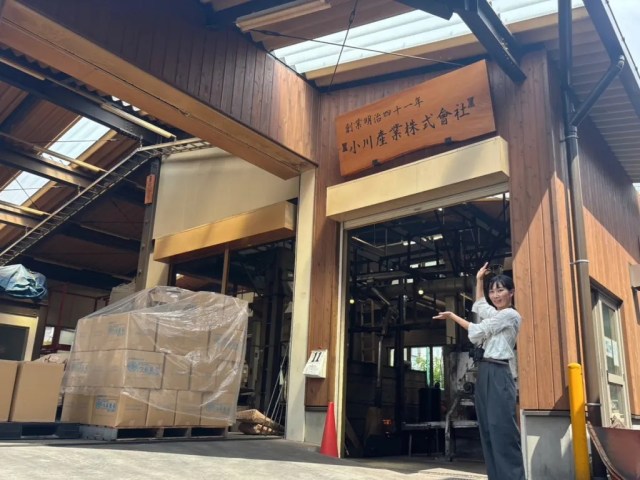
But wait, do you just toss raw grains of barley in with tea leaves during the brewing process? Or is mugicha something else entirely? To learn more, we wanted to pay a visit to a barley tea factory, and Ogawa Sangyo was nice enough to show us around theirs. Located in Edogawa Ward, Ogawa Sangyo is one of only two mugicha makers with a production facility in Tokyo.
▼ The entrance to Ogawa Sangyo’s factory
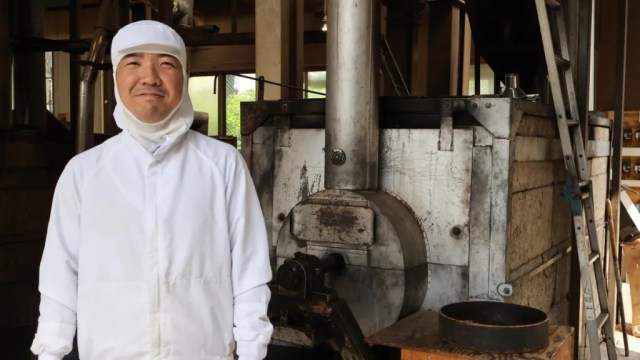
▼ Company president Keisuke Ogawa, who served as our guide
First thing first: barley tea doesn’t actually contain any tea. Yes, it’s an infusion enjoyed as either a hot or cold beverage, but there are no tea leaves used to make it. Barley tea is, however, truly made from barley.
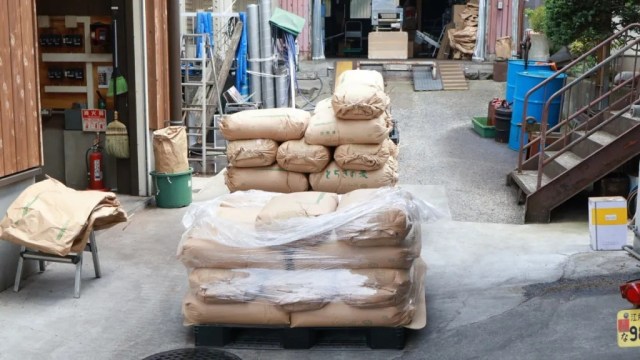
▼ Sacks of barley, waiting for their chance to become barley tea
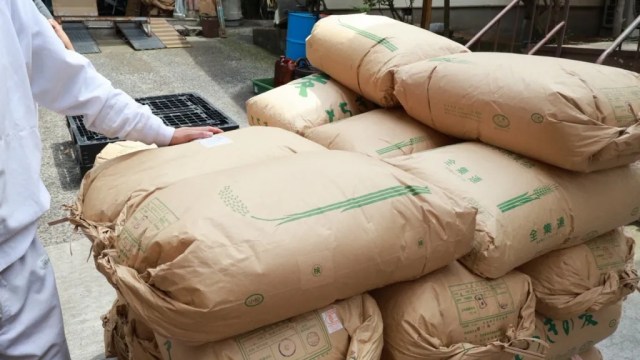
Ogawa Sangyo sources its barley from domestic growers, primarily in Ibaraki, Tochigi, and Toyama prefectures. With the country’s number of barley growers declining, securing the quantities they need has become more costly than it used to be, but the company is still committed to using Japanese-grown ingredients, as well as using two different strains of barley, for a more complex and robust flavor.
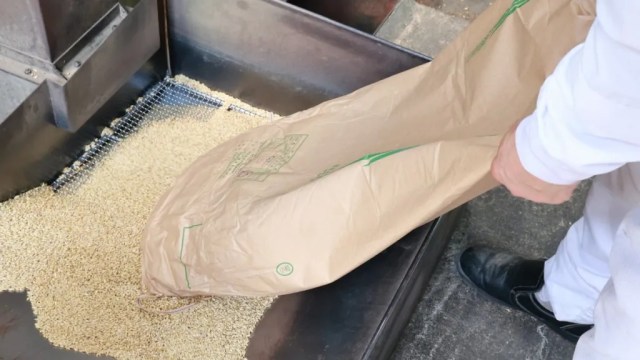
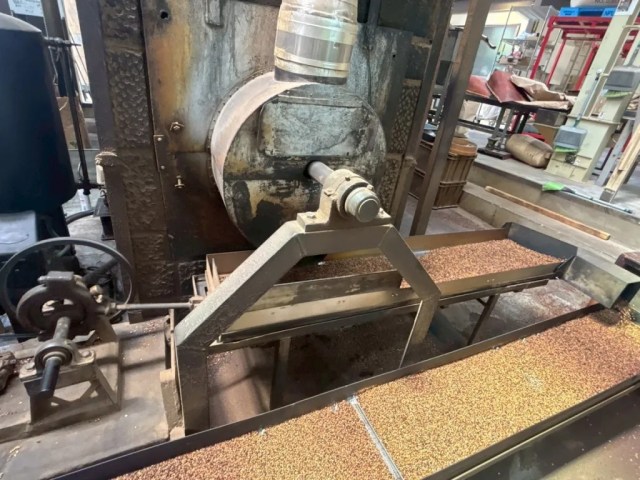
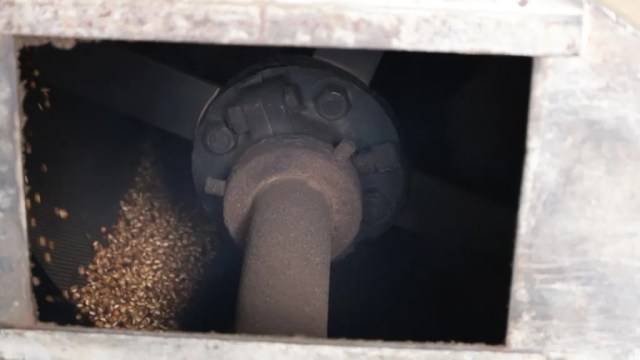
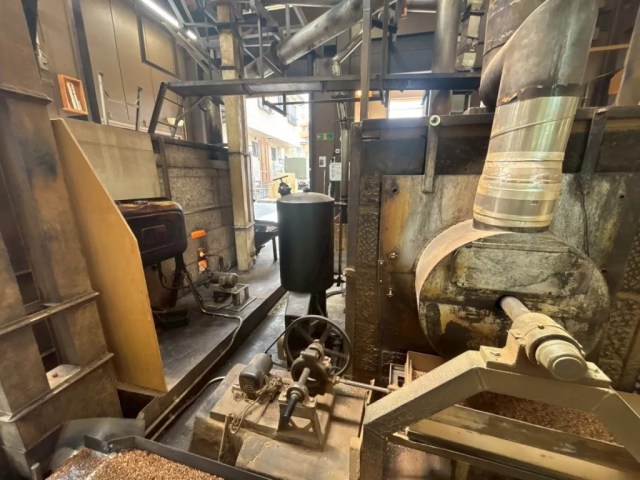
Before the grains can become barley tea, they have to be roasted, and the roasting process is something else that Ogawa Sangyo is particular about. While many mass-producers use a convection-roasting method, where hot air is blown into the oven, Ogawa Sangyo still goes with a direct-fire technique.
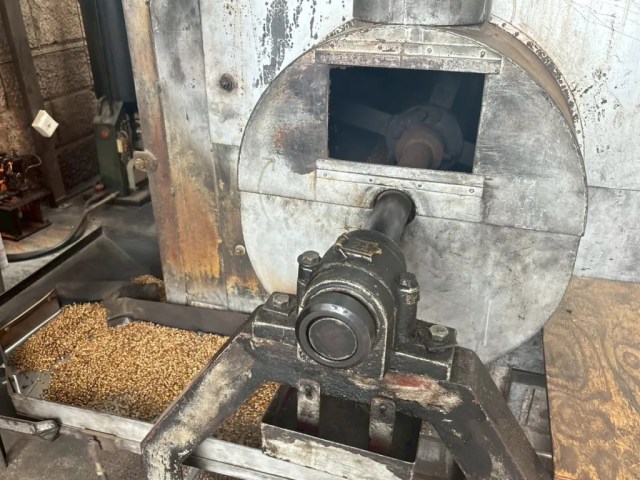
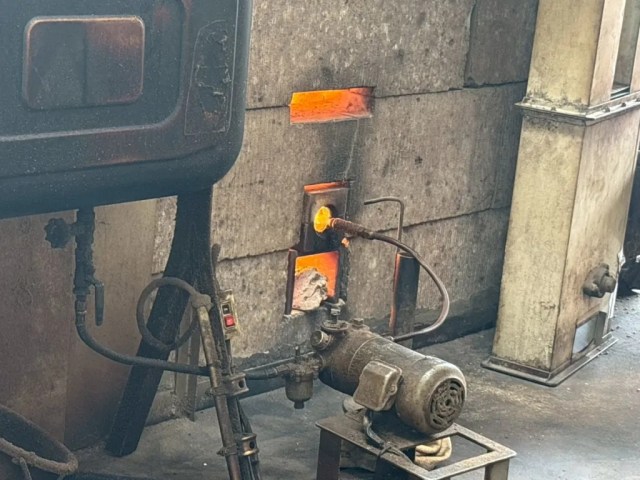
This is a more laborious way to roast the grains, but it also allows for finer control over the intensity of the heat and air flow, and that in turn produces barley tea with a richer flavor and aroma, Ogawa Sangyo says.

The barley grains aren’t in the oven entirely on their own, though. There’s also sand in there. Just like in the traditional way to roast sweet potatoes in Japan, the sand helps to more evenly transfer the infrared heat all the way to the core of the grains without burning their surface layer.
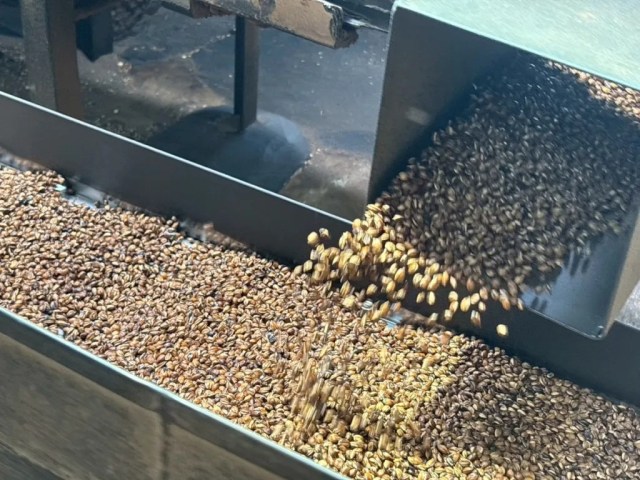
The roasting is a two-stage process, with the first stint in the oven being one minute at 250 degrees Celsius (482 degrees Fahrenheit). When they came out, the grains had taken on a darker though still light brown color, but they’d become incredibly fragrant.
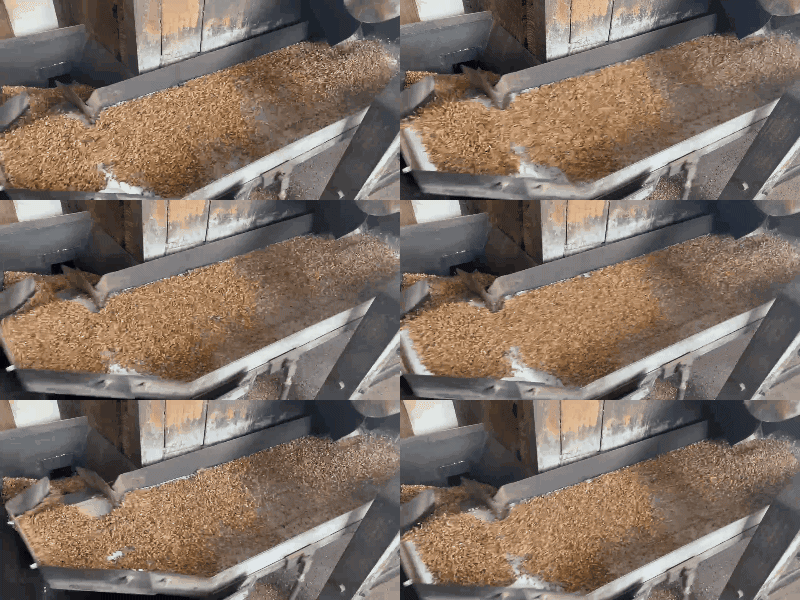
At our guide’s encouragement, we tried a taste, and were pleasantly surprised to find that barley roasted like this tastes a lot like popcorn, but with a stimulating extra crunchiness to it! Honestly, we think it’d make a pretty good snack food in and of itself.
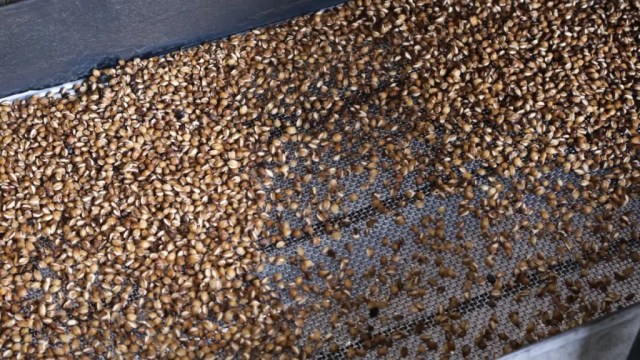
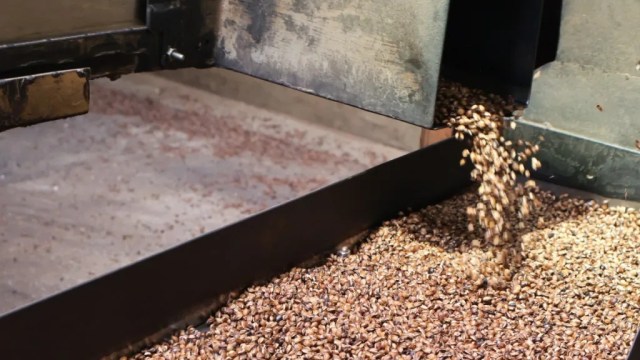
But these grains are destined to become barley tea, and so next they go back into the oven for a second round of roasting, once again for one minute, but this time at a lower temperature of 180 degrees Celsius.
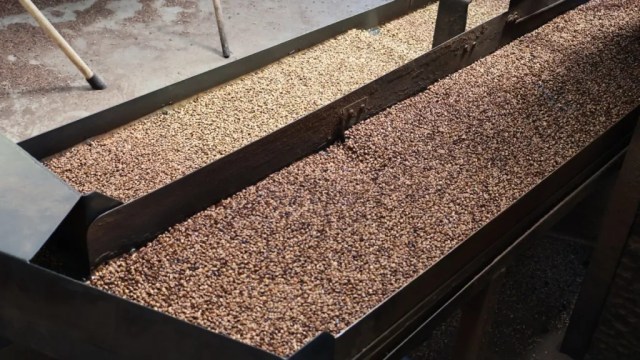
Once they emerge, they’re even darker, and at each stage of the process the grains become plumper too as they expand during the cooking process.
▼ Counterclockwise from top: uncooked, once-roasted, and twice-roasted barley
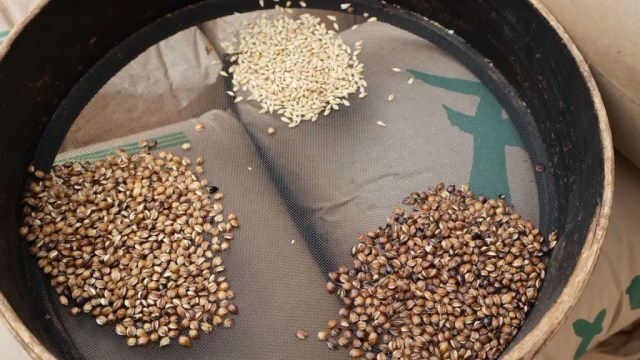
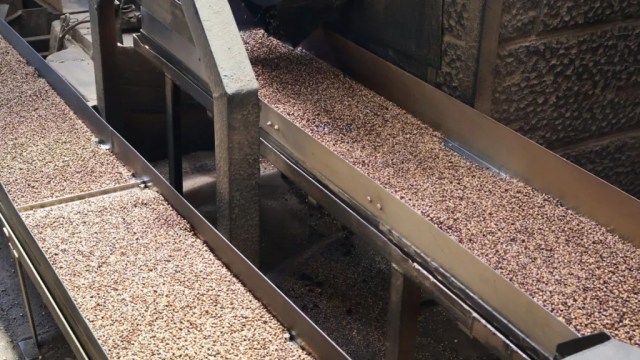
It’s these twice-roasted Barley grains that are brewed to make barley tea, not in tandem with tea leaves, but instead of them. So now that the grains are ready, it’s time for them to be packaged, which, like the roasting, is a two-stage process.
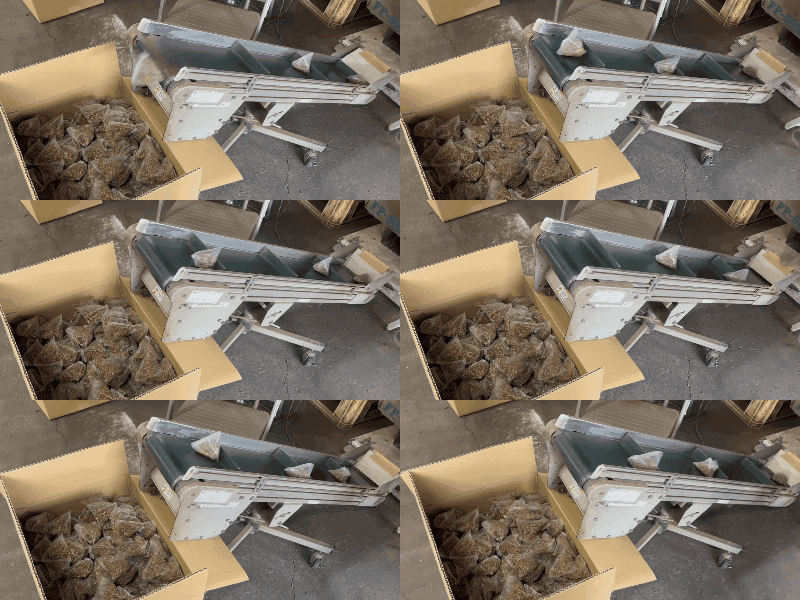
It starts with a machine that bundles bunches of barley into tea bags, at a rate of 50 a minute.
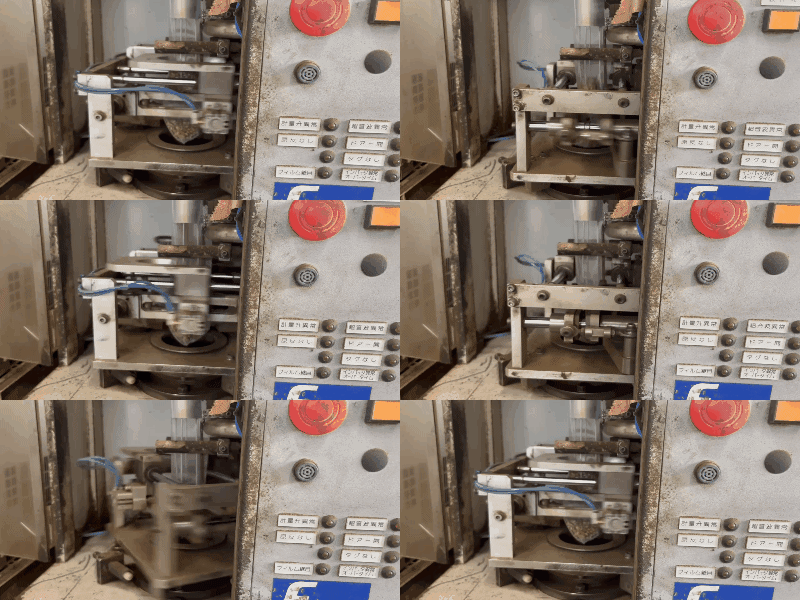
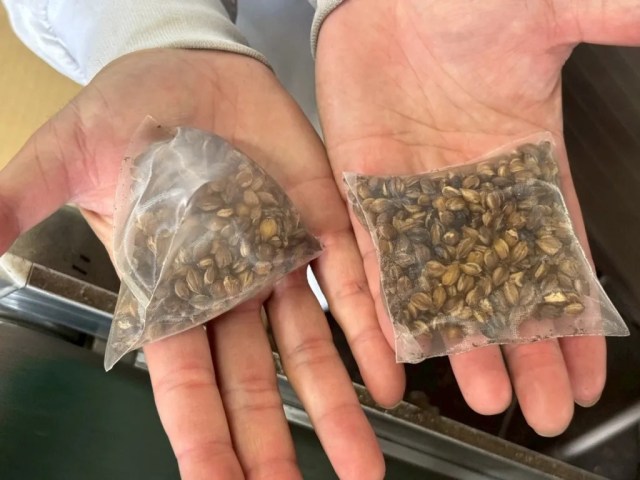
Ogawa Sangyo offers its barley tea in both triangular and rectangular tea bags, and while the rectangular ones are easier to store, the triangular ones produce the better flavor, our guide told us. That’s because they provide a little extra space for the grains to move around inside the bag, and that allows for a more efficient flow of hot water around them during the brewing process.
Once the tea bags are ready, they need to be put into the bags or boxes that they’ll be sold in, and that step is done by hand.
By the way, if you’re wondering if that giant roasting oven makes the factory hot, the answer is yes…or, more accurately, the answer is YES! On the day of our visit, the temperature inside the facility was a good 10 degrees Celsius (18 degrees Fahrenheit) hotter than it was outside.
But like we said, barley tea is one of Japan’s best-loved ways to cool off in the summer, and after learning what goes into making it, and feeling the heat involved, the next glass we drink is going to be taste extra refreshing, we think.
Related: Ogawa Sangyo
Photos ©SoraNews24
● Want to hear about SoraNews24’s latest articles as soon as they’re published? Follow us on Facebook and Twitter!
[ Read in Japanese ]