Taste-testing the northern frontier of local foods in Japan.
Just about every corner of Japan has some special food it’s famous for, and if you head up to the country’s northern tip, Hokkaido Prefecture, there are several. Travelers often arrive in Hokkaido licking their lips as they look forward to some of the country’s best salmon roe, sea urchin, and crab, plus delicious miso ramen, soup curry, and all sorts of cheeses and dairy desserts.
But on our recent visit to Hokkaido, the most memorable things we ate were the ones we hadn’t ever heard of before this trip: ohaw, ruibe, and pocche.
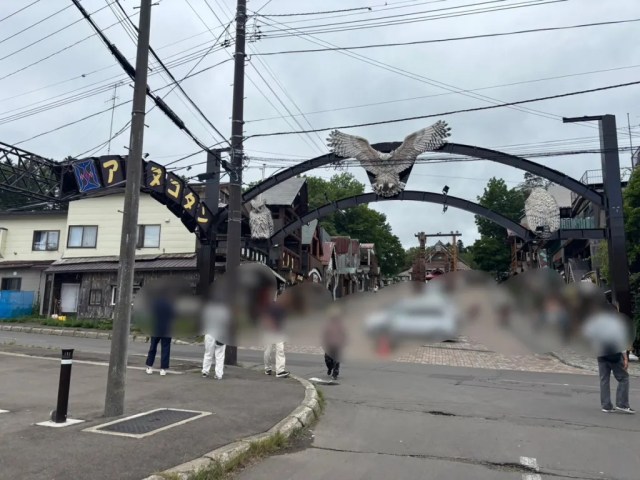
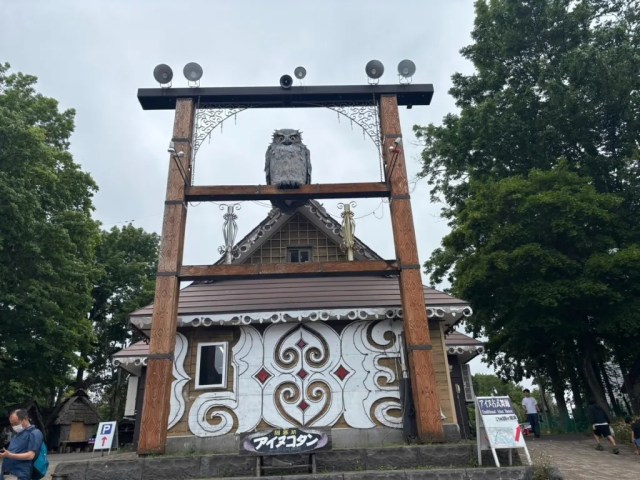
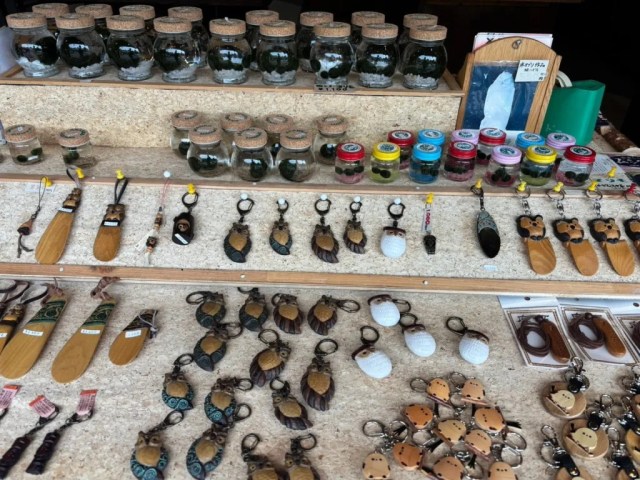
If you’re an experienced eater of Japanese cuisine yet don’t recognize any of those, don’t fell like you’ve got to turn in your foodie card. All of those dishes come from the culture of the Ainu, the indigenous people who populated Hokkaido before the arrival of Japanese settlers and the region’s absorption into Japan. Though Hokkaido’s Ainu population is far smaller than it used to be, cultural centers like Akanko Ainu Kotan, near the shore of Lake Akanko, help to preserve Ainu cultural traditions and share them with visitors.
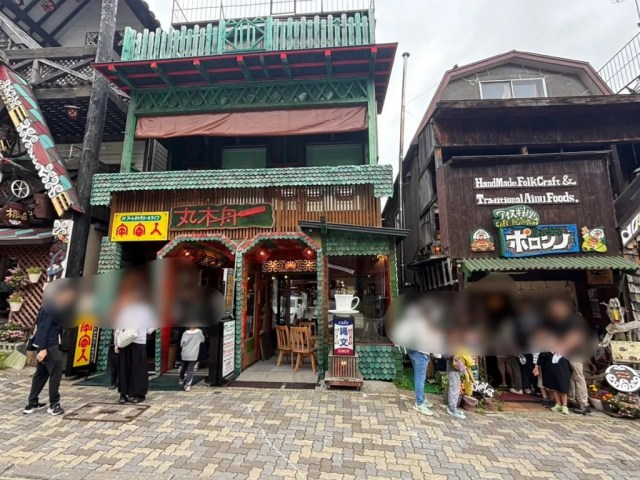
In addition to a theater with traditional dance performances and shops selling handicrafts, Akanko Ainu Kotan also has restaurants where you can try Ainu dishes, and with our visit coming right around launch time, we decided to check out the eatery Marukibune.
▼ 丸木舟 = Marukibune
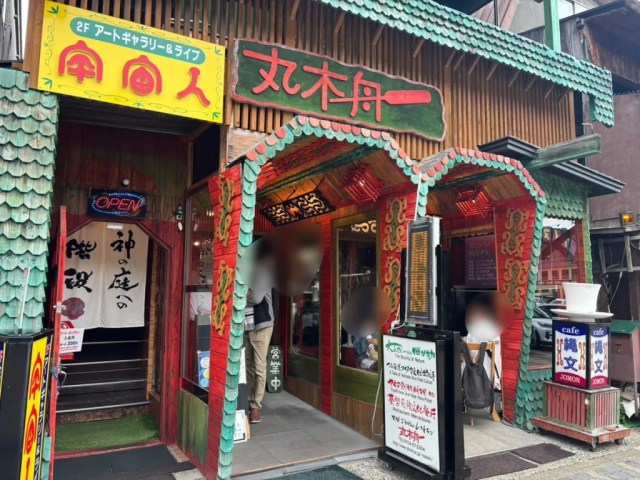
After sitting down, we opened up the menu and took a look. While such standard dishes as soy sauce broth ramen and curry rice are available, we wanted a literal taste of Ainu culture, so that’s what we gravitated towards…
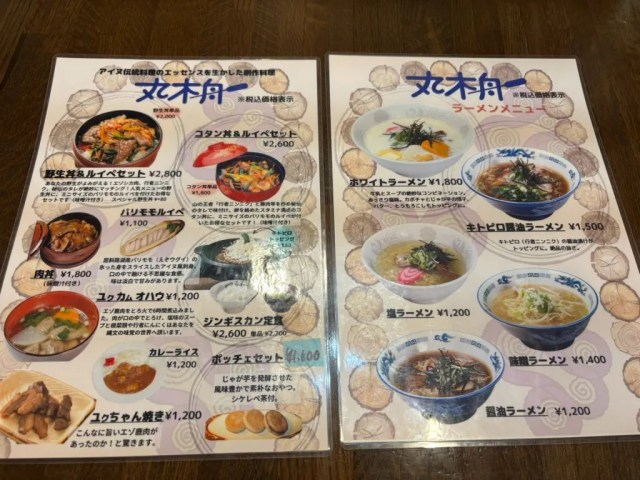
…and for our first step into this new-to-us food frontier, we selected the yuk kam ohaw.
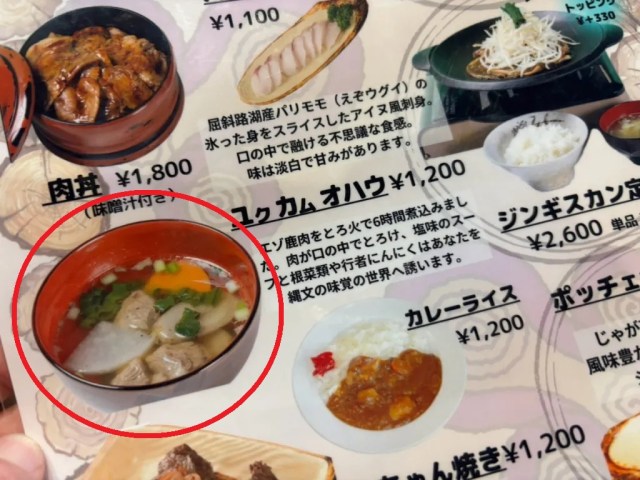
Breaking that down linguistically, ohaw is a kind of stew made with fish or other animal stock and kelp. Kam ohaw means that there’s meat in the stew, and yuk indicates that the meat here is venison.
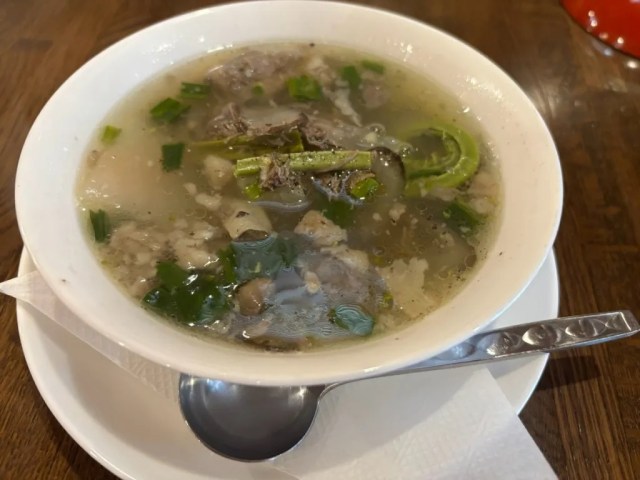
Our ohaw also contained root vegetables and wild garlic.
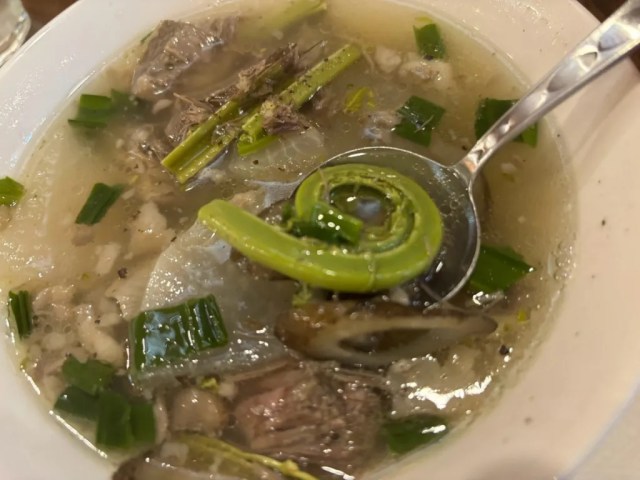
It looked very different from the sort of soups common to mainstream Japanese cooking, and we braced ourselves for something that could possibly be an acquired taste. That apprehension turned out to be unnecessary though, as we found it immediately delicious.
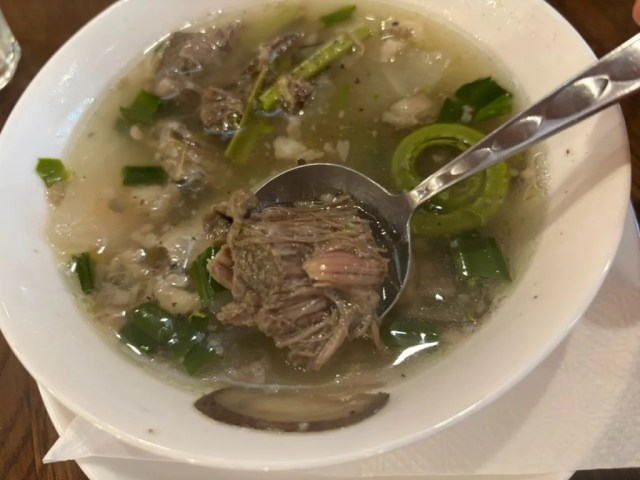
Despite the generous portion of venison, there was no gaminess at all to the flavor profile, which was instead fortifying yet simple and comforting. It was so good that we think we might find ourselves craving a bowl of ohaw once the winter chill sets in later this year.
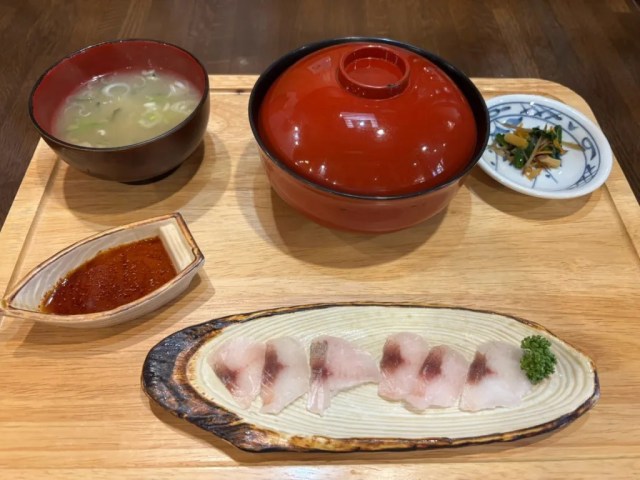
Next up: parimomo ruibe.
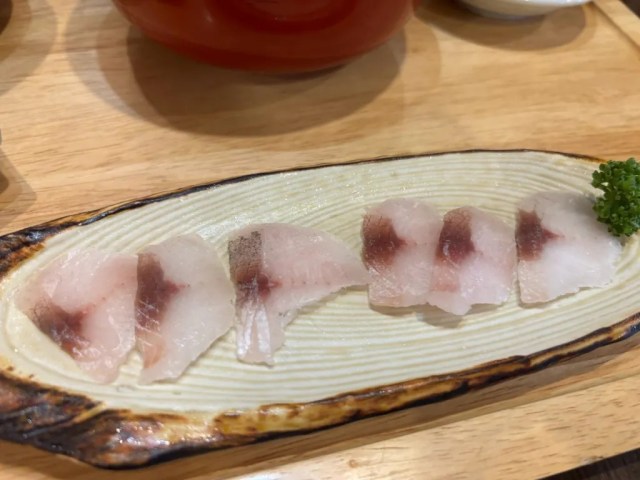
Ruibe is the Ainu equivalent to sashimi, but with a few key differences. First, ruibe is prepared, and served, frozen. Second, while conventional sashimi consists pretty much entirely of saltwater seafood, ruibe is made with freshwater fish as well. In our case, parimomo is the Ainu word for the fish called Ezo ugui in Japanese (whose scientific name is Pseudaspius sachalinensis), a relative of the freshwater minnow.
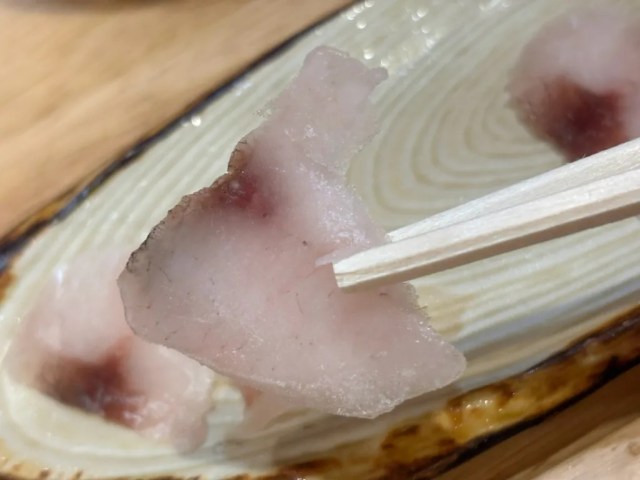
Marukibune catches its Ezo ugui from Lake Kussharoko, which isn’t too far away from the restaurant, so it’s fresh and flavorful, with a sweetness that comes to a clean finish. The mouthfeel of the frozen fish slices, and the sensation of the texture changing as they thawed as we chewed, took a little getting used to, but made for an enjoyably stimulating change of pace from regular sashimi.
We also ordered a kotandon. This is a donburi (rice bowl) topped with strips of grilled pork, wild garlic, onion, and egg, flavored with a salty sweet marinade.
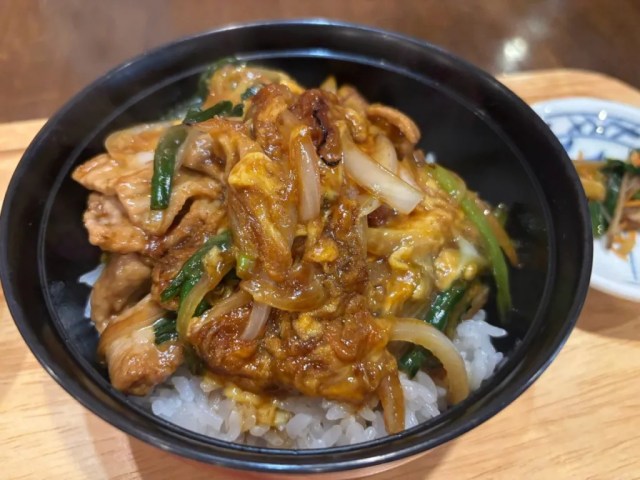
To be honest, we’re not sure exactly how traditional the kotandon is. In addition to being part of Akanko Ainu Kotan’s name, kotan is the Ainu word for a village or community. It seems like the kotandon might be a more modern fusion concession to visitors to Akanko Ainu Kotan who want something that’s a nod to Ainu culture but isn’t going to feel too challenging. None of that changes the fact, though, that this is a very tasty rice bowl, and one that just about anyone will probably enjoy.
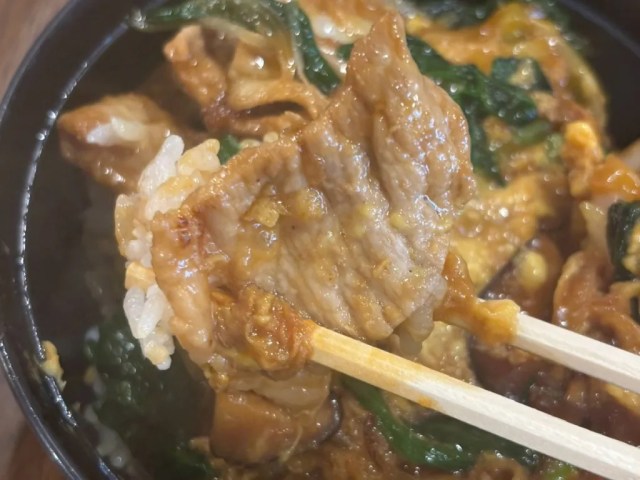
And last, we ordered a pocche set.
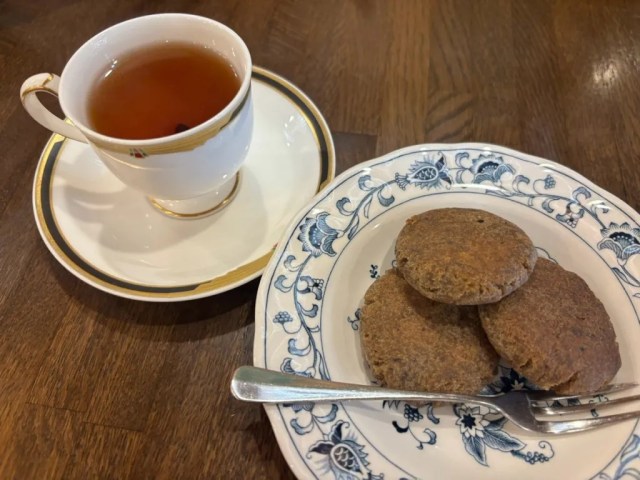
That might look like a plate of cookies accompanying our cup of tea, but pocche are actually preserved potatoes. Hokkaido gets very cold in winter, and pocche are traditionally made by leaving potatoes outside until they freeze, then bringing them inside to thaw, and repeating the process enough times for fermentation to take place.
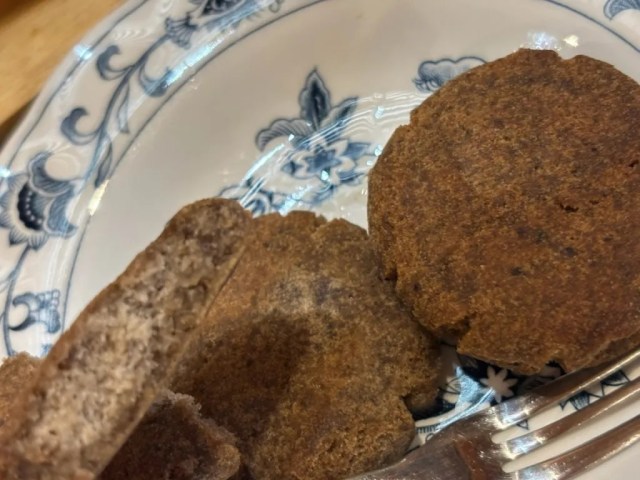
So rather than a dessert, pocche were actually a way to make sure the entire potato harvest could get eaten. They have a chewy texture but no sweetness beyond that which you’d find in a regular potato. We can’t really say they tasted particularly good, but they didn’t taste bad either, and they’re an interesting way to experience hands-on one way that the Ainu culture turned the harsh conditions of Hokkaido’s winter weather into a positive.
As for prices, our ohaw was 1,200 yen (US$7.50 yen), the ruibe 1,100 yen, the kotandon (which also came with a side of ruibe) 2,600 yen, and the pocche set 1,100 yen. Taking the portion sizes into account, those prices are a little on the high side, but it was money well spent for such a unique meal.
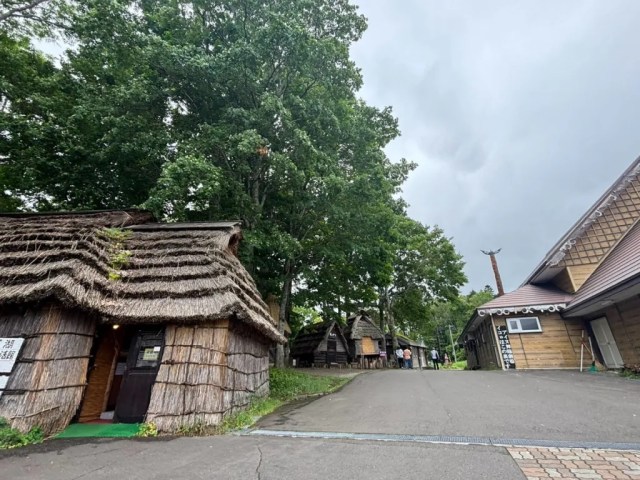
After eating, it’s also well worth your time to take a look at the rest of Akanko Ainu Kotan too.
We especially recommend the Ikor Theater, which hosts three different traditional storytelling dance performances.
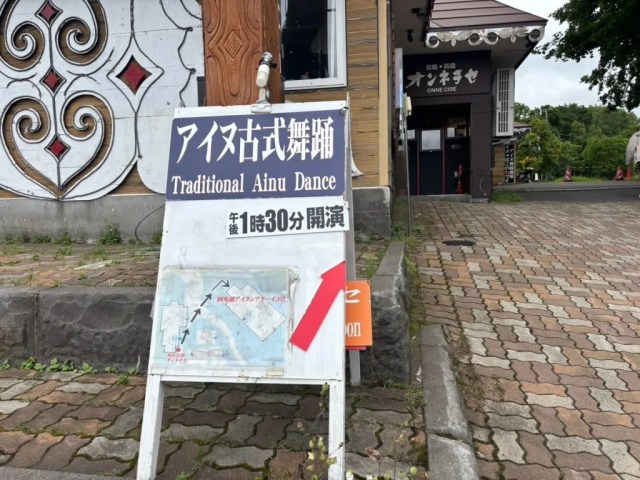
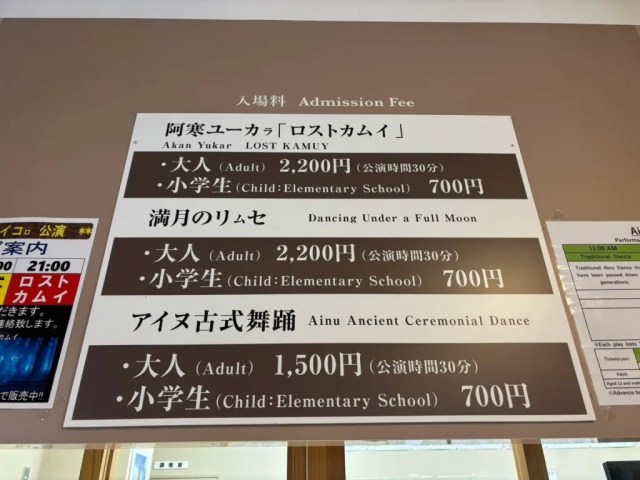
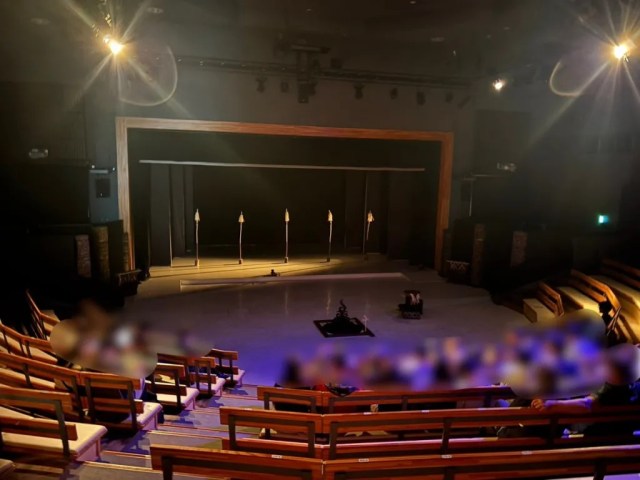
Even without a reservation, we were able to catch the Ainu Ancient Ceremonial Dance program, which presents an inaw, a ceremonial tool mean to form a connection between performers and the kamuy (Ainu gods). The dances aren’t flashy, but seated in the theater, with the light of open-flame torches illuminating the dancers and singers, we were comfortably mesmerized for the 30 minutes the performance lasts.
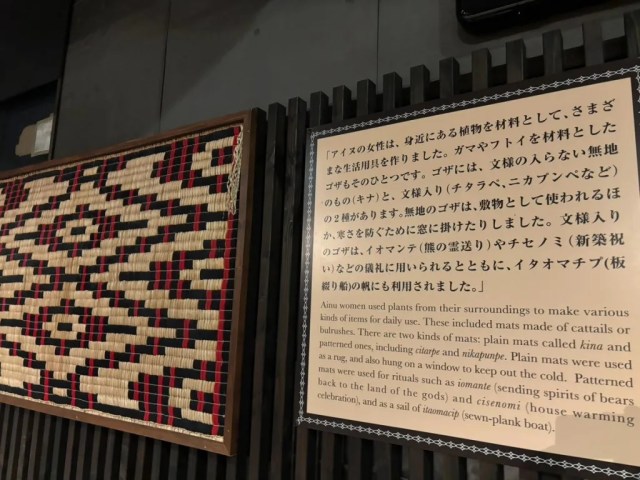
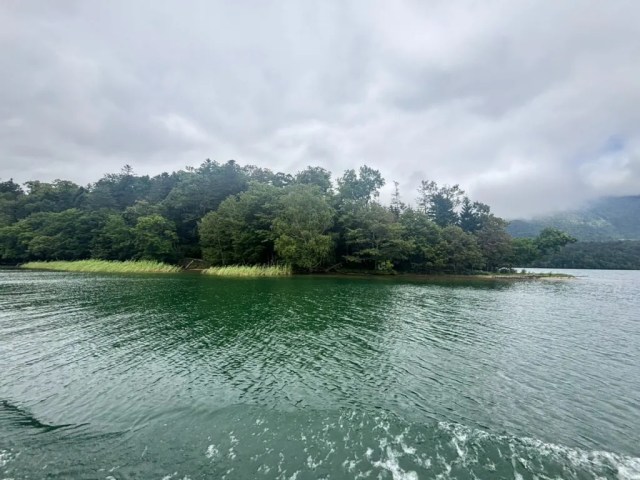
As an added bonus, the nearby Lake Akanko is quite beautiful too, whether you’re admiring the scenery from the shore of from the deck of one of the boats offering cruises for day trippers.
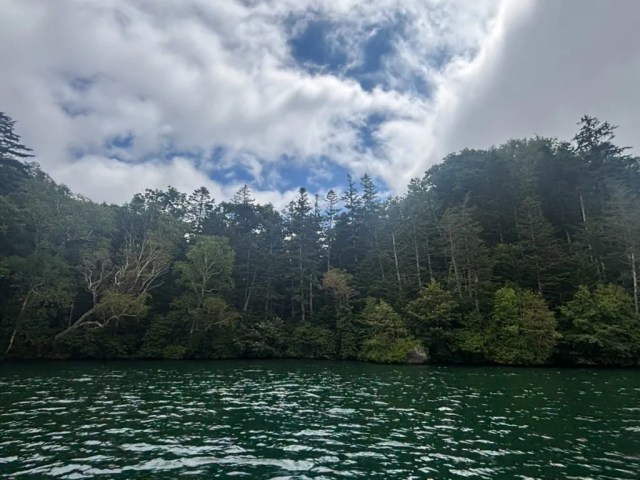
So if you’re looking to broaden not only your cultural knowledge, but also your palate, while you’re in Hokkaido, stop on by Akanko Ainu Kotan and Marukibune.
Location information
Akanko Ainu Kotan 阿寒湖アイヌコタン
Address: Hokkaido, Kushiro-shi, Akan-cho, Akanko Onsen 4-7-19
北海道釧路市阿寒町阿寒湖温泉4丁目7-19
Website
Marukibune / 丸木舟
Address: Hokkaido, Kushiro-shi, Akan-cho, Akanko Onsen 4-7-9
北海道釧路市阿寒町阿寒湖温泉4-7-9
Open 11 a.m.-9:30 p.m.
Possible irregular hours during winter and cold-weather months, so are reservations recommended at those times.
Photos ©SoraNews24
● Want to hear about SoraNews24’s latest articles as soon as they’re published? Follow us on Facebook and Twitter!
[ Read in Japanese ]