
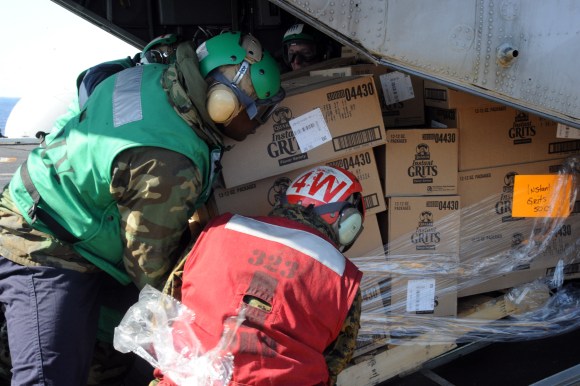
Although it has been more than two and a half years since the devastating earthquake and tsunami struck northeastern Japan, much of the area is still in need of disaster aid for the recovery efforts. But before you look around your house for items to donate, take a look at what volunteer groups, local governments and aid recipients themselves would rather you keep at home. And you might be very surprised to what else Twitter users have deemed the most “unnecessary things at a disaster zone.”
Paper Cranes
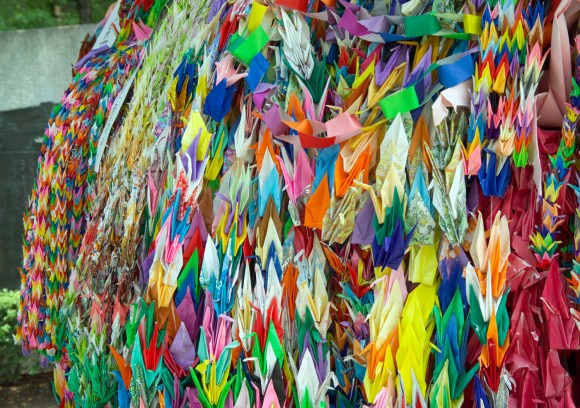
The well-known Japanese tradition of folding 1,000 origami paper cranes to grant a wish may provide comfort in times of catastrophe, but with so many paper cranes sent to shelters, schools and local governments, Twitter users said that a lot of these gifts had to be thrown away. One person said that after running out of places to hang the birds, the rest were incinerated. It’s a nice gesture, but seriously, how many bits of origami can one region possibly need?
Dirty clothes

Another big complaint was the amount of dirty, used clothes donated to survivors who had lost everything. Some said that they even received “very obviously used” underwear and bras. Also, volunteers who sorted the many boxes that came in also asked that you leave your “ancient” and out-of-season clothing at home. There just is not enough space to store your Edo era geta apparently.
Obsolete technology
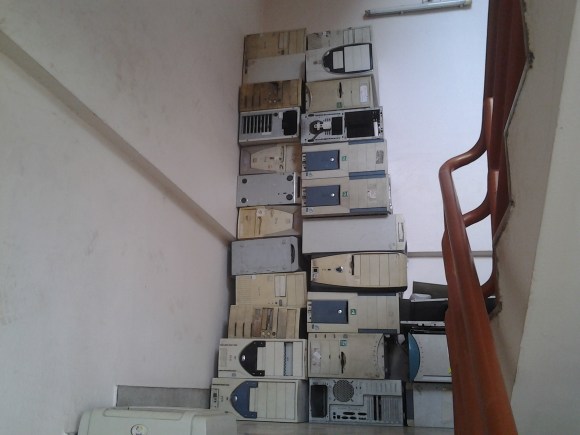
Helping out people who have just lived through a traumatic experience should not be an excuse to get rid of your 1995 laptop and accompanying floppy disks. One Japanese netizen talked about receiving a donation box in the mail, only to discover an unusable analogue TV without a remote. They also were lucky enough to get an 60 Hz alarm clock that cannot keep time in their part of Japan due to the different power grids.
Packages in foreign languages
While mostly everyone said they were thankful for all the support given from around the world, a lot of netizens shared how many aid recipients threw away some of the food, medicine and supplements in foreign packages. Without any Japanese translation and not knowing the language, a lot of people were concerned not knowing the ingredients or expiration date.
Questionable food
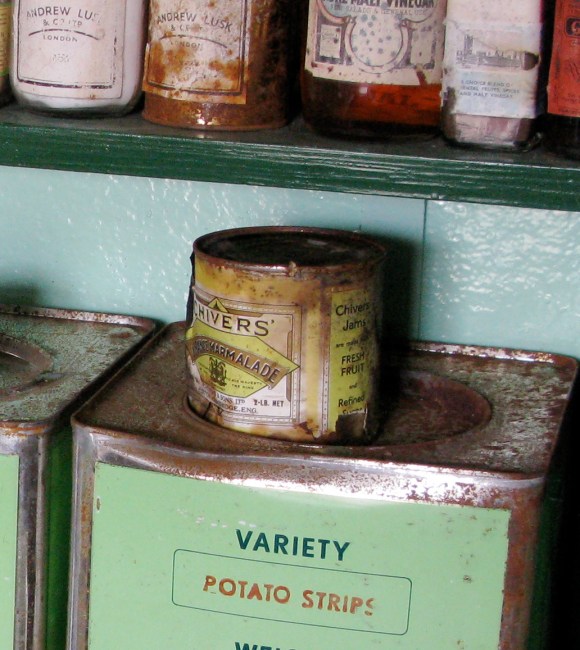
Again, the message seems quite clear to not use a disaster to clean out your house, and especially not your pantry. A lot of people recalled receiving dirty and dented canned goods that were past their expiration date, or handmade items like a shipment of 500 rice balls that quickly went bad.
Medicine
If you are not a doctor, you should probably refrain from sending medicine or supplements to people with medical needs in a disaster zone. A lot of the medicine was expired and one person said they received a huge amount of tranquilizers that they did not even need.
Heavy things
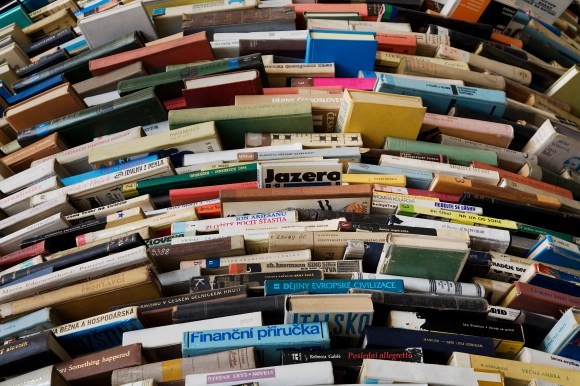
Time and space is precious after a disaster and sorting through donations is a huge task. Having to lug around boxes of 30-year-old diet books, autographed baseballs from not-so-famous players or elementary school backpacks is not the best use of volunteers’ time.
Plastic bags
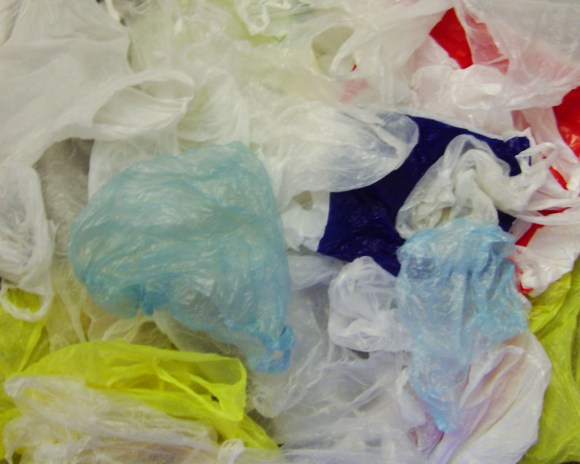
One person said that they once got two boxes full of used plastic grocery bags. The bags were very neatly folded and clean, but utterly useless and ended up sitting in the corner before being thrown away.
24/7 News
This is not so much a physical item, but after endless hours of news covering the disaster’s aftermath, a lot of netizens said they wish the networks would “donate” something a little more entertaining. Many of the volunteers, workers and survivors felt like the self-imposed “restraint” from any form of entertainment made TV much less of a “gift” and more of a burden. Some found solace in watching recorded shows from their happier pre-3/11 world as well as movies to escape their daily sadness.
Too many volunteers
This may sound like biting the hand that feeds you, but some local governments and volunteer groups would prefer for some people to stay home and help out in more useful ways like donating blood or raising money. It seems like some volunteers would spend a great deal of money traveling to help, only to leave after a short time. This left a lot of local groups wondering if the volunteers’ time and money could have been better spent on localized disaster relief.
A lot of the people who received the less-than stellar donations ultimately thought that the thought behind the gift was heartfelt, but they just future “thoughts” could be a little lighter. One netizen put it this way, “If you don’t consult with the people you are donating to, your donation will likely become just another box taking up space.”
Are there any other tips to share about what we shouldn’t donate after a catastrophe? Hopefully with these tips and yours, we can save disaster zone workers from coming across someone’s dirty panties or that busted up tin of sardines from 1950!
 Victim of 3.11 to people who have never suffered a disaster: Don’t send origami cranes to shelters
 Mt. Fuji decorated with a 500,000-flower pink carpet is Japan’s ultimate spring view
 Japanese politician arrested on charges of accepting bribes to reduce number of monkeys in park
 30 Pikachus want to share a Tokyo hotel room with you that has separate Grass, Water, Fire spaces
 New Travelling Bento pouches turn your luggage into a Japanese lunch box
 Do different brands of Japanese tofu taste different? We try all the supermarket types to find out
 Man bites woman at cherry blossom park in Japan, dies shortly after
 Krispy Kreme Japan giving free donuts with morning drink purchases at all branches, maybe forever
 Japan’s new wearable air conditioner belt is here just in time for the Tokyo heat wave
 Our top 3 cafes in Azabudai Hills, Tokyo’s newest and possibly swankiest shopping complex
 Adorable baby ape born at Japanese zoo…to mom who lives alone
 Japan reportedly adding Japanese language skill requirement to most common foreigner work visa
 Pokémon and Ikea Japan cross over into each other’s worlds with collaboration events
 Starbucks Japan closing only Shinkansen platform branch for popularity-triggered renovations
 Two food hacks take Japan’s convenience store fried chicken to amazing new sandwich heights
 You can assemble a well-balanced team of Pokémon, them eat them, thanks to Japanese cake chain
 Tokyo turns its phone booths into free Wi-Fi hotspots, and here’s how to use them
 Fading Tokyo – Searching for signs of the Showa era as local neighborhoods evolve[Photos]
 Tokyo teahouse serves up a sakura matcha dessert you won’t find anywhere else
 7-Eleven Japan’s new baked-in-store sweet treat is only available in three parts of the country
 Japan now has a special desk for people who work at home with a pet cat[Photos]
 Famous Tokyo cherry blossom spot installs view-blocking screens to fight overcrowding[Video]
 Uniqlo announces new T-shirts for One Piece, Naruto and more for manga publisher’s 100th birthday
 Train station platform ramen store closes its doors on half a century of history in Tokyo
 Starbucks Japan releases new My Fruit³ Frappuccino at only 34 stores around the country
 Studio Ghibli releases Catbus pullback keychain that runs like the anime character
 Krispy Kreme releases Super Mario doughnuts in Japan for a limited time
 Japanese onsen egg maker from 100-yen store Daiso needs to be on your shopping list
 Survey asks foreign tourists what bothered them in Japan, more than half gave same answer
 Japan’s human washing machines will go on sale to general public, demos to be held in Tokyo
 Starbucks Japan releases new drinkware and goods for Valentine’s Day
 We deeply regret going into this tunnel on our walk in the mountains of Japan
 Starbucks Japan releases new sakura goods and drinkware for cherry blossom season 2026
 Studio Ghibli releases Kodama forest spirits from Princess Mononoke to light up your home
 Japan’s newest Shinkansen has no seats…or passengers [Video]
 Major Japanese hotel chain says reservations via overseas booking sites may not be valid
 Put sesame oil in your coffee? Japanese maker says it’s the best way to start your day【Taste test】
 No more using real katana for tourism activities, Japan’s National Police Agency says